Choosing the correct 100 amp wire size is one of the most important steps when installing or upgrading an electrical panel, subpanel, or service connection. Whether you are working on a residential project, garage workshop, or outdoor building, using the proper wire size ensures safety, efficiency, and compliance with electrical codes. A wrong wire size can lead to overheating, voltage drop, and even fire hazards, so understanding the fundamentals is essential.
This complete guide explains everything you need to know about selecting the correct wire size for 100 amp service, including copper vs aluminum wire, distance considerations, voltage drop, breaker compatibility, and installation tips. By the end, you’ll be confident about choosing the right wire size for your electrical needs.
What Does 100 Amp Service Mean?
A 100 amp service refers to the amount of electrical current that your panel or circuit can safely handle. It determines how much power can be distributed throughout your home or building. Many small to medium-sized homes use 100 amp service, while larger houses often require 150 or 200 amp service.
When installing a 100 amp breaker or subpanel, the wiring must be capable of carrying the full load without overheating. Electrical codes specify minimum wire sizes based on current capacity, insulation type, and conductor material. Using undersized wires is dangerous and can cause serious electrical issues.
Standard 100 Amp Wire Size
The standard wire size for a 100 amp circuit depends on the conductor material. Copper and aluminum wires have different conductivity levels, so they require different sizes.
For copper wire, the typical size for 100 amp service is #3 AWG. Copper is more conductive, which means it can carry more current with a smaller diameter. This makes copper wiring a popular choice for residential installations.
For aluminum wire, the typical size for 100 amp service is #1 AWG. Aluminum is less conductive than copper, so a larger wire size is needed to safely handle the same current load.
These sizes are based on common residential conditions and assume proper insulation and installation. Always check local electrical codes for specific requirements.
Copper vs Aluminum Wire for 100 Amp Service
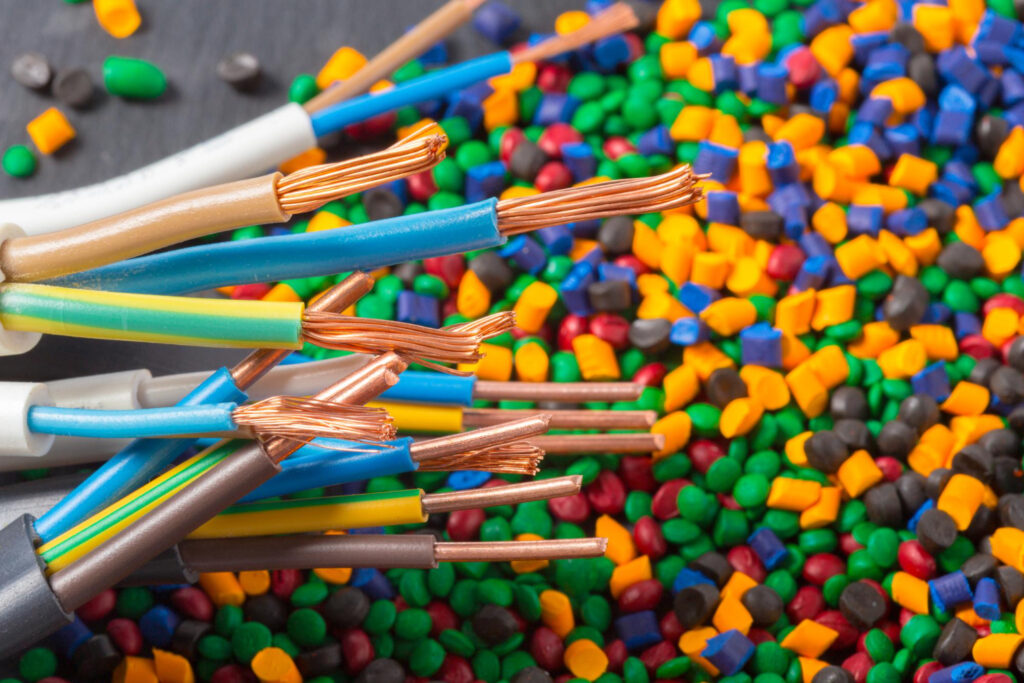
Choosing between copper and aluminum wiring depends on budget, installation type, and personal preference. Each material has advantages and disadvantages.
Copper wire offers better conductivity and durability. It is more resistant to corrosion and less prone to expansion and contraction due to temperature changes. Because of these benefits, copper wiring is considered more reliable and long-lasting. However, copper is more expensive, which can increase project costs.
Aluminum wire is lighter and more affordable. It is often used for longer runs or service feeders where cost savings matter. However, aluminum expands more with temperature changes and requires proper connectors rated for aluminum conductors. If installed correctly, aluminum wire is safe and effective for 100 amp service.
Both options are acceptable, but copper is generally preferred for shorter runs, while aluminum is often chosen for longer distances.
100 Amp Wire Size for Different Distances
Distance plays a major role in selecting wire size. As the distance increases, voltage drop becomes a concern. Voltage drop occurs when electrical resistance reduces the voltage delivered to the load.
For short runs under 50 feet, standard sizes typically work well. For longer distances, you may need to increase wire size to maintain performance.
For example, if your 100 amp subpanel is located 100 feet away, increasing the wire size helps reduce voltage drop. In many cases, electricians upgrade from #3 copper to #2 copper, or from #1 aluminum to 1/0 aluminum for longer runs.
Keeping voltage drop under three percent is generally recommended for efficient electrical performance. Larger wires help maintain proper voltage levels, especially for heavy appliances.
100 Amp Subpanel Wire Size
When feeding a subpanel with 100 amp capacity, the same sizing rules apply. The feeder wires must support the full load. In addition to hot wires, you will also need a neutral wire and grounding conductor.
A typical 100 amp subpanel setup includes two hot wires, one neutral wire, and one ground wire. The hot wires carry power, the neutral balances the load, and the ground provides safety protection.
For copper, a common configuration uses #3 AWG for the hot and neutral wires. For aluminum, #1 AWG is commonly used. The ground wire size may vary depending on code requirements, but it is typically smaller than the hot conductors.
Proper separation of neutral and ground bars inside the subpanel is also essential for safety.
100 Amp Underground Wire Size
Underground installations require special consideration. Direct burial cable or conduit-protected wires must be rated for outdoor and underground use. Moisture resistance and insulation quality are important factors.
When running a 100 amp line underground, you can use aluminum URD cable or THHN wires inside conduit. The wire size usually remains the same, but some installers prefer upsizing for added safety.
Burial depth also matters. Direct burial cables must be installed at the proper depth, typically 24 inches for residential applications. Conduit installations may allow slightly shallower depth, depending on local codes.
Always use weather-resistant materials and proper fittings to prevent moisture damage.
100 Amp Breaker Compatibility
The wire size must match the breaker rating. A 100 amp breaker is designed to protect wires rated for 100 amps. Installing smaller wires with a larger breaker defeats the safety purpose of the breaker.
If you use #3 copper or #1 aluminum, they are generally rated for 100 amps under standard residential conditions. This ensures the breaker will trip before wires overheat.
Never oversize the breaker to compensate for undersized wire. Instead, always increase wire size if necessary.
Voltage Drop and Why It Matters
Voltage drop affects performance and efficiency. When wires are too small for the distance, appliances may receive lower voltage. This can cause motors to overheat, lights to dim, and electronics to malfunction.
To avoid voltage drop, consider upsizing the wire for long runs. For example, if you are running power to a detached garage 150 feet away, increasing wire size improves reliability.
Using larger wire reduces resistance and helps maintain stable voltage levels. This is especially important for high-demand equipment like air compressors, HVAC systems, and electric vehicle chargers.
Installation Tips for 100 Amp Wiring
Proper installation is just as important as choosing the right wire size. Follow these tips for a safe and professional setup.
Turn off main power before working on electrical systems. Safety should always come first. Wear protective gear and use insulated tools when handling wiring.
Use conduit for exposed wiring. Conduit protects wires from physical damage and improves longevity. PVC conduit is commonly used for outdoor installations.
Label all wires clearly. Proper labeling helps during maintenance and troubleshooting.
Use connectors rated for copper or aluminum depending on your wire type. Mixing incompatible connectors can lead to overheating.
Secure wires properly to prevent movement. Loose wiring may cause wear over time.
Check all connections carefully before energizing the system.
Common Mistakes to Avoid
Many homeowners and DIY installers make mistakes when selecting 100 amp wire size. Avoid these common issues.
Using undersized wire to save money is dangerous. It increases fire risk and may violate electrical codes.
Ignoring distance and voltage drop can lead to performance problems.
Mixing copper and aluminum without proper connectors may cause corrosion.
Skipping grounding conductor is unsafe and not code compliant.
Using indoor-rated cable outdoors can lead to insulation failure.
Avoiding these mistakes ensures a safe and long-lasting installation.
When to Upgrade to 200 Amp Service
While 100 amp service works for many homes, modern electrical demands are increasing. Large appliances, electric vehicles, and smart home systems require more power.
If you frequently trip breakers or plan to add heavy equipment, upgrading to 200 amp service may be beneficial. However, for smaller homes, workshops, or subpanels, 100 amp service is usually sufficient.
Consulting a licensed electrician can help determine your actual load requirements.
Final Thoughts on Choosing 100 Amp Wire Size
Selecting the correct 100 amp wire size is crucial for safety, efficiency, and compliance. The most common choices are #3 AWG copper or #1 AWG aluminum for standard installations. However, distance, voltage drop, and installation environment may require upsizing.
Always consider conductor material, breaker compatibility, and local electrical codes. Proper installation practices further ensure long-term reliability.
By following these guidelines, you can confidently choose the right wire size for your 100 amp panel, subpanel, or feeder line. Taking the time to do it correctly protects your property, improves performance, and ensures your electrical system operates safely for years to come.
Also Read: Decoradhouse Garden Tips by DecoratorAdvice: Transform Your Outdoor Space with Style



One thought on “100 Amp Wire Size: Complete Guide for Safe and Efficient Electrical Installation”
Comments are closed.