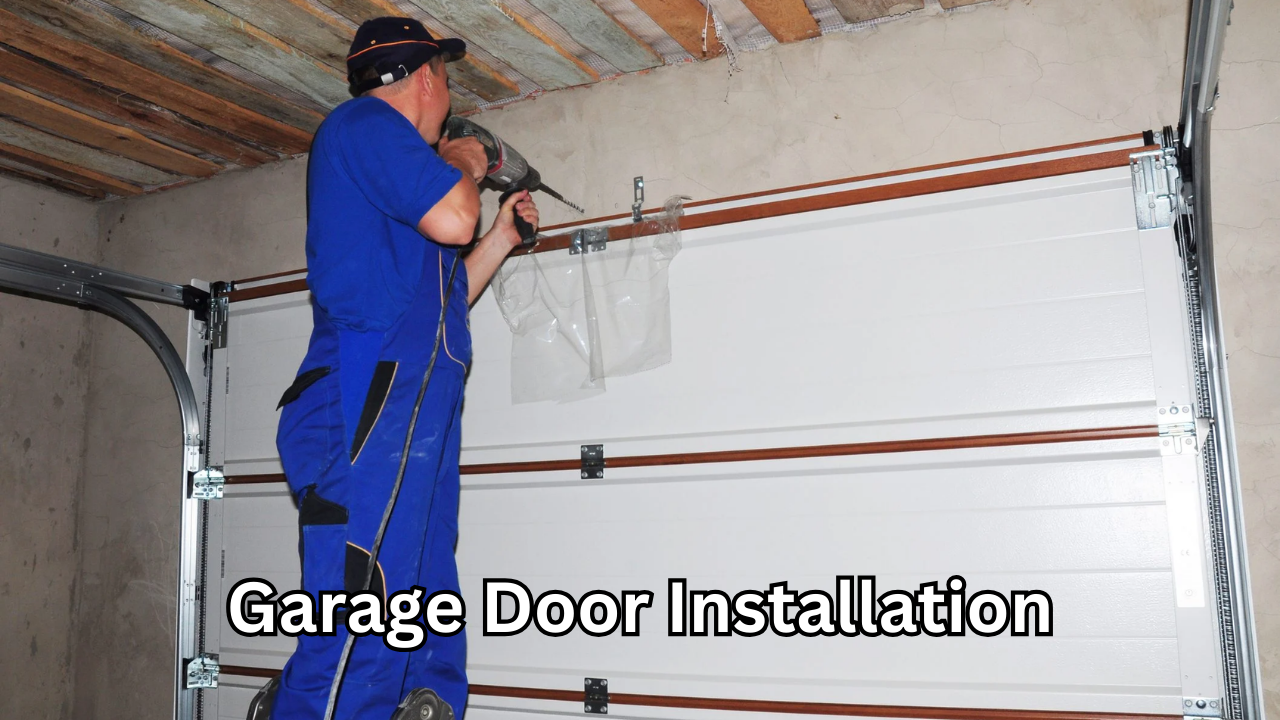
Garage door installation is one of the most impactful upgrades a homeowner can make, improving security, functionality, and curb appeal in one decisive move. Whether you’re replacing an outdated door or fitting a brand-new system, the right approach ensures smooth operation, long-term reliability, and peace of mind from day one.
Why a Proper Garage Door Matters More Than You Think
A garage door is not just an entry point—it’s a structural and visual element of your home. When installed correctly, it protects vehicles and stored belongings, enhances insulation, and complements the exterior design. Poorly fitted doors, on the other hand, can lead to safety hazards, noisy operation, and costly repairs over time.
Modern garage systems are engineered with advanced materials, smart controls, and safety features. However, these benefits are only fully realized when installation is precise and aligned with manufacturer specifications. Attention to detail at this stage directly affects performance, durability, and warranty coverage.
Choosing the Right Door for Your Space
Selecting a door involves more than picking a style you like. Homeowners should consider climate conditions, usage frequency, available headroom, and overall home architecture. Steel doors offer durability and low maintenance, while wood provides timeless appeal but requires regular care. Aluminum and composite options balance aesthetics with lightweight performance.
Insulation is another critical factor. In attached garages or regions with extreme temperatures, insulated doors help regulate indoor comfort and reduce energy loss. Window placement, panel design, and color choices should align with the home’s façade to create a cohesive look.
Garage Door Installation: What the Process Really Involves
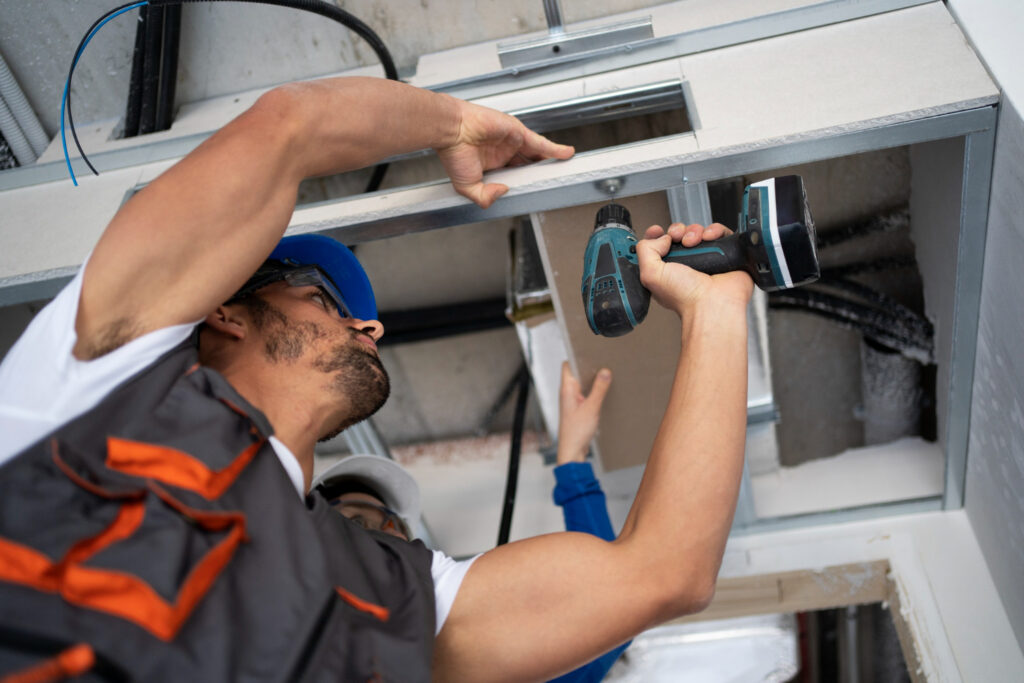
Garage door installation is a multi-stage process that demands technical accuracy and safety awareness. It begins with precise measurements to ensure the door fits perfectly within the opening. Tracks, springs, rollers, and cables must be aligned correctly to support smooth movement and balanced weight distribution.
The installation also includes mounting the opener system, calibrating force settings, and testing safety sensors. Every component plays a role, and skipping steps or improvising can compromise the entire system. Professional installers follow strict protocols to ensure the door opens quietly, closes securely, and responds properly to controls.
Professional Installation vs DIY: A Clear Comparison
Many homeowners consider do-it-yourself installation to save money, but garage doors are heavy and mechanically complex. Torsion springs, in particular, store significant tension and can cause serious injury if handled incorrectly. Even minor alignment errors can result in premature wear or malfunction.
Professional services bring experience, specialized tools, and accountability. Installers can identify structural issues, adjust framing if needed, and ensure compliance with local building codes. While DIY may seem economical upfront, professional work often proves more cost-effective by preventing future repairs and extending the door’s lifespan.
Safety and Compliance Considerations
Safety is non-negotiable when working with garage systems. Modern standards require auto-reverse mechanisms, photo-eye sensors, and secure mounting hardware. These features protect people, pets, and property from accidents.
Compliance with local regulations is equally important. Many regions have specific requirements regarding wind resistance, electrical connections, and emergency release systems. A compliant setup not only avoids legal issues but also ensures insurance coverage remains valid.
How Installation Impacts Long-Term Performance
Even the highest-quality door can fail prematurely if installed incorrectly. Proper alignment reduces strain on the opener motor and moving parts, leading to quieter operation and fewer breakdowns. Balanced springs ensure the door’s weight is evenly distributed, preventing sudden drops or uneven movement.
A well-executed garage door installation also simplifies maintenance. When components are positioned correctly, routine lubrication, inspection, and minor adjustments become straightforward, saving time and money over the years.
Cost Factors You Should Understand
Installation costs vary based on door type, size, insulation level, and opener technology. Labor complexity, removal of old doors, and structural modifications can also influence pricing. While budget options exist, focusing solely on upfront cost may lead to compromises in quality or safety.
It’s wise to request detailed quotes that break down materials, labor, and warranties. Transparent pricing helps homeowners make informed decisions and avoid unexpected expenses after the work begins.
Enhancing Curb Appeal and Home Value
A new garage door can dramatically transform a home’s exterior. Because the door often occupies a large portion of the front façade, its design has a significant visual impact. Coordinated colors, modern paneling, and tasteful windows can elevate the entire property’s appearance.
Real estate studies consistently show that updated garage doors deliver strong returns on investment. Buyers value smooth operation, security features, and modern aesthetics, making this upgrade one of the most appealing improvements when preparing a home for sale.

Smart Features and Modern Upgrades
Today’s systems go beyond basic open-and-close functionality. Smart openers allow homeowners to monitor and control their garage remotely via smartphone apps. Notifications alert users if the door is left open, enhancing security and convenience.
Battery backups, quiet belt drives, and integrated lighting further improve usability. These upgrades are easiest to implement during initial installation, ensuring compatibility and clean integration with the door system.
Maintenance After Installation
Once the door is in place, ongoing care ensures consistent performance. Regular inspections help identify worn rollers, loose hardware, or sensor misalignment before they become major issues. Lubricating moving parts and keeping tracks clean reduces friction and noise.
Most manufacturers recommend annual professional checkups, especially for doors that see daily use. Proactive maintenance preserves warranties and keeps the system operating safely and efficiently.
Final Thoughts: Making the Right Investment
Garage door installation is not just a technical task—it’s an investment in safety, efficiency, and long-term value. When done correctly, it delivers reliable performance, enhances your home’s appearance, and reduces future maintenance concerns. By choosing the right door, prioritizing professional expertise, and planning for ongoing care, homeowners can enjoy a dependable and attractive garage system for many years to come.
Also Read: Toilet Keeps Running After Flush: Frustrating Causes, Fixes, and Expert Solutions



One thought on “Garage Door Installation: The Ultimate Smart and Stress-Free Upgrade for Your Home”
Comments are closed.