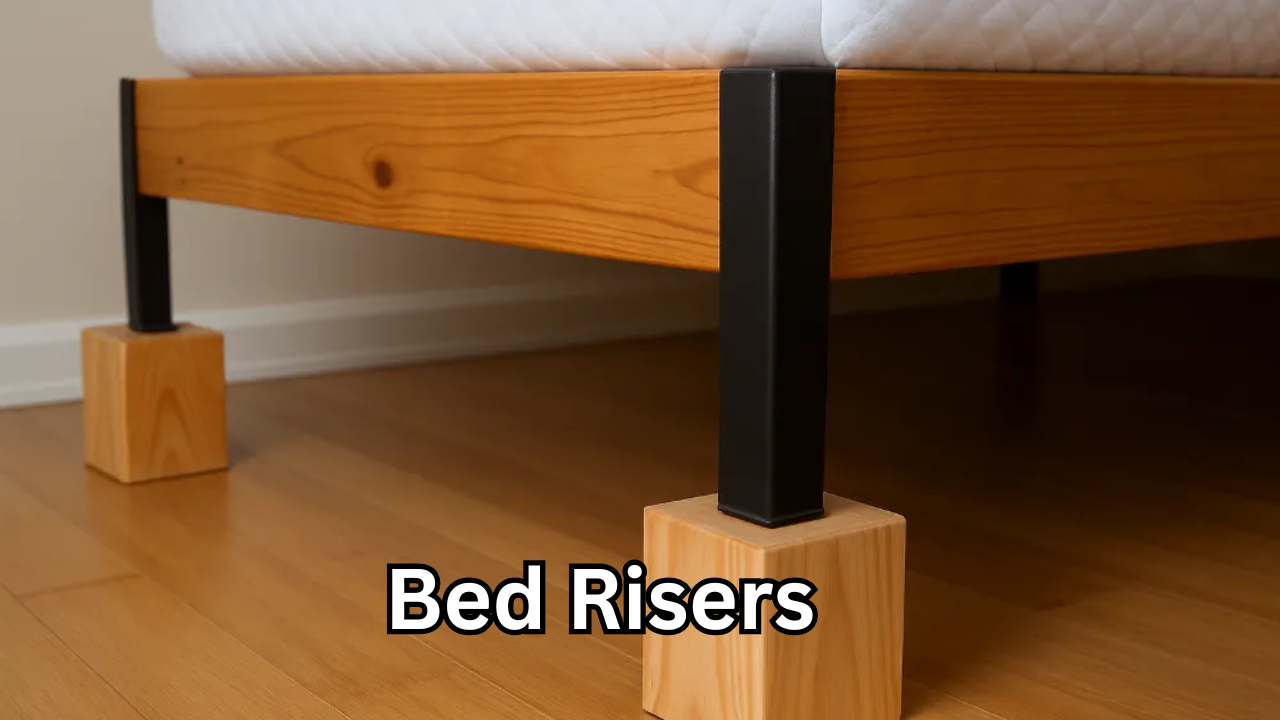
Bed risers are one of those simple home accessories that quietly solve multiple problems at once. If you’ve ever struggled with limited storage, an uncomfortable bed height, or poor airflow under your mattress, this small upgrade can make a noticeable difference. Designed to lift your bed frame safely and evenly, they offer practical benefits without requiring expensive furniture replacements or major room changes. This guide explores how they work, who they’re best for, and how to choose the right option for long-term comfort and safety.
Understanding What They Do and Why They Matter
Raising a bed may sound purely functional, but the impact goes beyond extra inches. Elevating the frame creates usable space that often goes wasted, especially in apartments or smaller bedrooms. That added clearance can improve room organization, reduce clutter, and even support better hygiene by allowing air to circulate under the mattress.
For many people, a slightly higher bed also makes daily movement easier. Sitting down, standing up, or getting out of bed can feel more natural when the height aligns better with your body mechanics. Over time, this can reduce strain on joints and improve overall comfort.
Who Benefits Most From Raising a Bed
Not every household has the same needs, but certain situations make this solution especially valuable. Small-space living is a major one. Dorm rooms, studio apartments, and shared housing often lack storage, making under-bed space a practical necessity rather than a luxury.
People recovering from injuries or dealing with mobility challenges may also find a raised sleeping surface helpful. A modest height increase can reduce the effort required to stand up, particularly in the morning when muscles are stiff. Families, too, appreciate the added storage for seasonal items, spare linens, or children’s toys that need to stay accessible but out of sight.
Materials and Design Options Explained
The effectiveness of bed risers depends heavily on their construction. Most models are made from high-strength plastic, solid wood, or reinforced metal. Plastic versions are lightweight, affordable, and resistant to moisture, making them popular for general home use. Wooden designs often appeal to those who value aesthetics and want something that blends seamlessly with bedroom décor.
Metal options are typically chosen for heavy-duty needs. They offer higher weight capacity and long-term durability, especially for larger beds or frames with thick posts. Regardless of material, quality models are designed with non-slip surfaces or recessed cups to keep bed legs securely in place.

Bed Risers and Their Role in Smart Storage Solutions
Using bed risers effectively transforms the area beneath your bed into functional storage. Once elevated, this space can accommodate rolling bins, vacuum-sealed bags, or flat storage boxes without disrupting the room’s visual balance. This approach is particularly useful for items you don’t need daily but still want within reach.
To make the most of this space, organization matters. Choose low-profile containers with lids to protect items from dust, and group belongings by category. When done well, under-bed storage can reduce the need for extra furniture, keeping your room open and uncluttered.
Safety, Stability, and Weight Capacity Considerations
Safety should always be a priority when lifting any piece of furniture. Well-designed bed risers distribute weight evenly and sit flush with the floor, minimizing the risk of wobbling or shifting. Before purchasing, it’s essential to check the weight rating and ensure it comfortably exceeds the combined weight of the bed, mattress, and occupants.
Equally important is floor compatibility. Hardwood, tile, and carpeted floors all interact differently with raised supports. Some models include rubberized bases to prevent slipping and protect flooring surfaces. Proper installation, with all legs raised evenly, is key to maintaining long-term stability.
Aesthetic Impact on Bedroom Design
While function often comes first, appearance still matters. Modern designs are far from the bulky blocks people remember from older dorm rooms. Many options now feature neutral colors, smooth finishes, and low-visibility profiles that blend into the background.
When paired with a bed skirt or neatly arranged storage containers, the raised look can feel intentional rather than improvised. This makes it easier to maintain a cohesive bedroom style while enjoying the practical benefits of added height.
Health and Comfort Advantages
Beyond storage, there are subtle health-related benefits to consider. Improved airflow beneath the mattress can help reduce moisture buildup, which may contribute to a fresher sleeping environment. This is especially relevant in warmer climates or rooms with limited ventilation.
For some sleepers, elevation can also support comfort by making it easier to maintain proper posture when getting in and out of bed. Over time, these small ergonomic improvements can contribute to better daily comfort and reduced physical strain.
Installation Tips for Long-Term Use
Installing bed risers is generally straightforward, but a few best practices ensure optimal results. Start by clearing the area around the bed and lifting one corner at a time. Placing each support carefully under the bed leg helps maintain balance throughout the process.
Once installed, it’s wise to test stability by gently applying pressure from different angles. If the bed feels uneven, adjustments should be made immediately. Periodic checks every few months can help ensure everything remains secure, particularly if the bed is moved or rearranged.

Common Misconceptions to Avoid
One common myth is that raising a bed automatically makes it unstable. In reality, quality bed risers are engineered to handle significant weight when used correctly. Another misconception is that they only suit temporary living spaces. Many homeowners use them long term as a practical storage and comfort solution.
There’s also the idea that they ruin the look of a room. As discussed earlier, modern designs and thoughtful styling can integrate seamlessly into almost any bedroom aesthetic.
Choosing the Right Option for Your Needs
Selecting the right product comes down to understanding your priorities. If storage is the main goal, height and clearance matter most. For comfort and accessibility, moderate elevation with strong support is ideal. Those with heavier bed frames should prioritize durability and weight ratings above all else.
Reading detailed product specifications and user feedback can provide valuable insight into real-world performance. Investing in a well-reviewed option often leads to better safety and satisfaction over time.
Conclusion: A Small Upgrade With Lasting Value
Bed risers may be simple in design, but their impact on daily living can be surprisingly significant. From improving storage efficiency to enhancing comfort and accessibility, they offer a cost-effective way to adapt your bedroom to your lifestyle. When chosen carefully and installed correctly, they provide long-term value without compromising safety or style. For anyone looking to make better use of their space while improving everyday comfort, this understated solution is well worth considering.
Also Read: Garage Door Installation: The Ultimate Smart and Stress-Free Upgrade for Your Home



One thought on “Bed Risers: The Smart and Powerful Way to Upgrade Your Space”
Comments are closed.