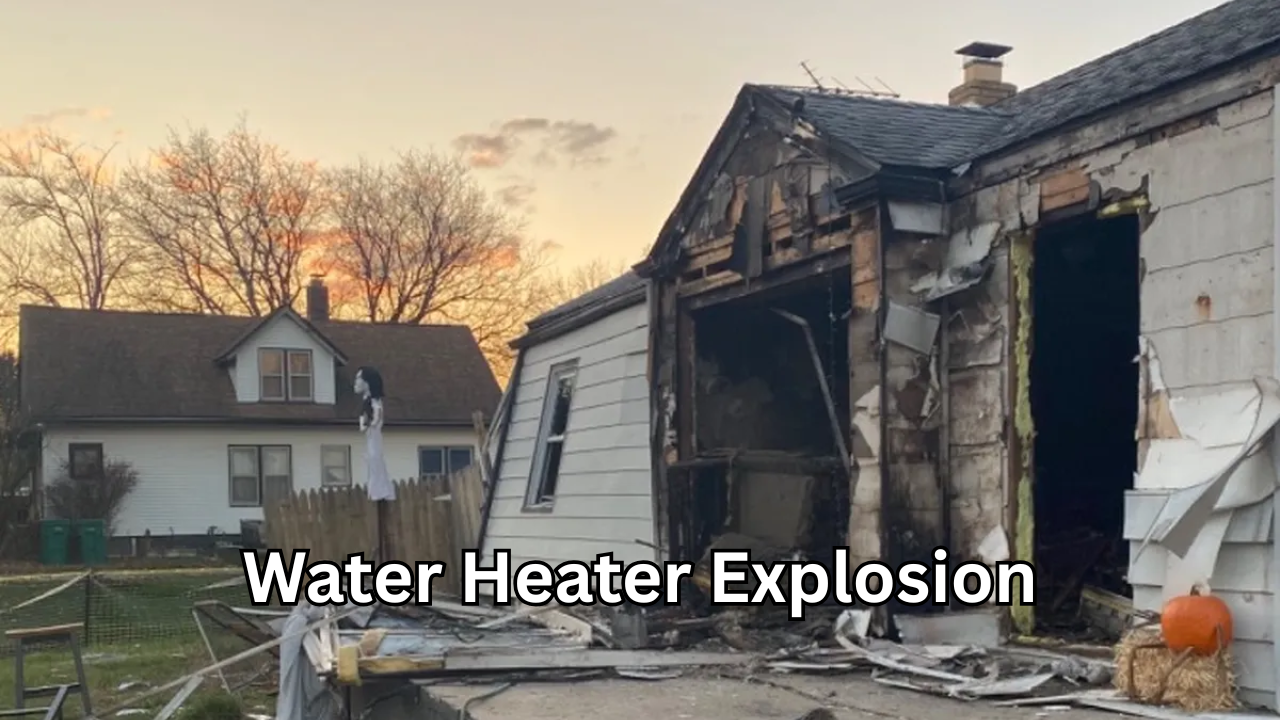
A water heater explosion is one of those home disasters most people never expect, yet it can cause devastating injuries, severe property damage, and even loss of life when it occurs. While these systems are designed to operate safely for years, neglect, faulty components, or improper installation can quietly turn them into dangerous pressure vessels. Understanding how these incidents happen—and how to prevent them—is essential for every homeowner who relies on hot water daily.
Understanding How a Residential Water Heater Works
To appreciate why these appliances can become hazardous, it helps to understand their basic operation. A standard water heater warms cold water using gas burners or electric heating elements, then stores that water in a sealed tank until it’s needed. As water heats, pressure naturally increases. Safety devices are built in to manage this pressure, allowing excess heat or force to escape in a controlled way.
Problems arise when those safeguards fail. When pressure or temperature climbs beyond safe limits and has nowhere to go, the tank can rupture violently. This sudden release of energy is what turns an everyday appliance into a serious household threat.
Common Causes of a Water Heater Explosion
Although these incidents are rare, they are almost always preventable. Several mechanical and maintenance-related issues tend to appear again and again in documented cases.
One of the most frequent causes is a malfunctioning temperature and pressure relief valve. This small component is designed to open automatically when internal conditions become unsafe. If it is corroded, blocked, or disabled, pressure can build unchecked.
Sediment buildup is another overlooked factor. Minerals in hard water settle at the bottom of the tank over time, forming a thick layer that traps heat. This forces the system to work harder, raising internal temperatures and increasing stress on the tank walls.
Thermostat failure can also play a role. When the thermostat sticks or becomes inaccurate, the water may continue heating far beyond safe levels. Combined with a blocked relief valve, this creates a dangerous scenario.
Finally, improper installation or unauthorized modifications significantly increase risk. Using incorrect parts, bypassing safety mechanisms, or installing a heater that doesn’t meet local codes undermines the appliance’s built-in protections.
Why Pressure and Heat Are a Dangerous Combination
At its core, a hot water tank is a pressurized container. When water is heated, it expands, and in a sealed system that expansion must be carefully controlled. Even a modest rise in temperature can dramatically increase internal pressure.
When pressure exceeds the tank’s design limits, the steel shell can fail catastrophically. In extreme cases, the force released can propel the tank through floors or walls, similar to a small rocket. The damage isn’t limited to the heater itself; surrounding structures, plumbing, and electrical systems are often destroyed as well.
This is why any condition that interferes with pressure regulation should be treated as an urgent safety concern, not a minor maintenance issue.
Warning Signs You Should Never Ignore
Most systems give subtle clues before a serious failure occurs. Recognizing these early warnings can prevent disaster.
Unusual noises such as rumbling, popping, or banging often indicate sediment buildup or overheating inside the tank. Rust-colored water from hot taps suggests internal corrosion, which weakens the tank’s structure over time. Persistent leaks around the base of the heater can signal metal fatigue or excessive pressure.
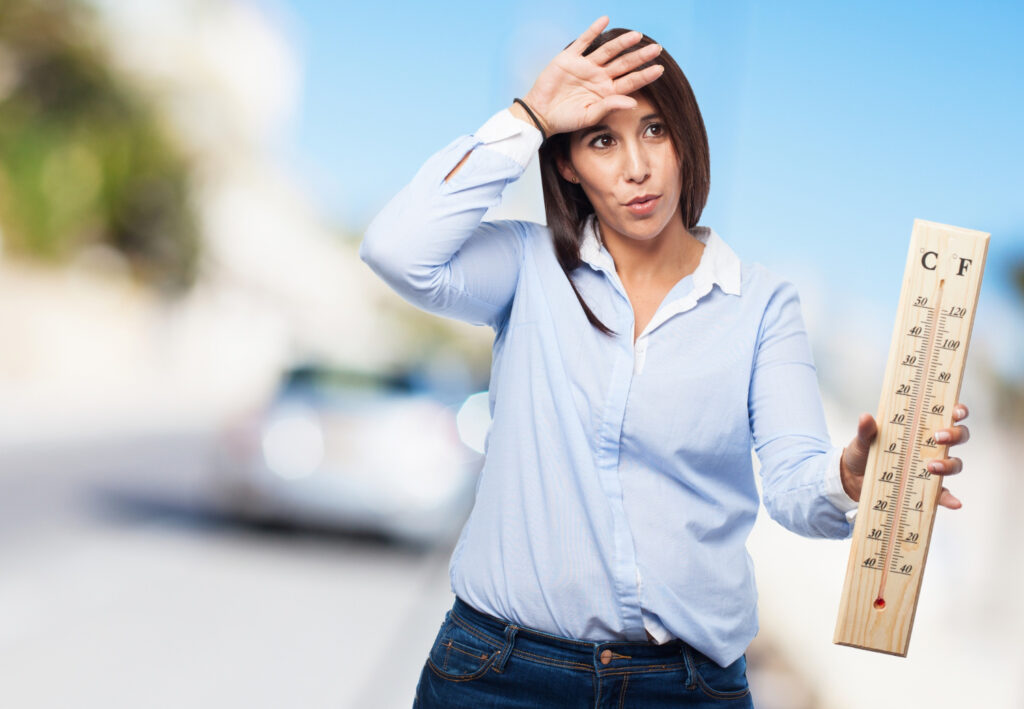
Another red flag is water that is excessively hot, especially if temperature settings haven’t been changed. This may point to thermostat malfunction or runaway heating. Any of these symptoms should prompt immediate inspection by a qualified professional.
Water Heater Explosion Prevention and Essential Safety Measures
Preventing a water heater explosion is largely about consistent care and respect for the appliance’s limits. Routine maintenance dramatically reduces risk and extends the unit’s lifespan.
Key preventive steps include:
- Testing the temperature and pressure relief valve at least once a year to ensure it opens and closes properly.
- Flushing the tank periodically to remove sediment and mineral deposits that trap heat.
- Setting the thermostat to a safe temperature, typically around 120°F (49°C), to avoid overheating.
- Scheduling professional inspections, especially for older units or systems showing warning signs.
These simple actions create multiple layers of protection, ensuring that pressure and heat never reach dangerous levels.
The Role of Professional Installation and Inspections
Correct installation is not just about convenience; it’s a critical safety factor. Licensed plumbers and technicians follow strict codes that govern venting, pressure relief placement, and fuel connections. These standards exist because small errors can have serious consequences.
Professional inspections also catch issues homeowners may miss. Technicians can spot early corrosion, failing valves, or thermostat inaccuracies long before they escalate into emergencies. Investing in expert oversight is far less costly than dealing with the aftermath of a major failure.

Legal, Insurance, and Liability Considerations
When a serious incident occurs, the consequences extend beyond physical damage. Insurance claims following a water heater explosion often involve complex investigations into maintenance records and installation quality. If negligence is found, coverage may be limited or denied.
Landlords and property managers carry additional responsibility. Failure to maintain safe appliances can lead to legal liability, particularly if tenants are injured. Documented maintenance and compliance with local safety codes are essential protections in these situations.
Understanding these implications reinforces why proactive care is not optional—it’s part of responsible homeownership.
Modern Safety Improvements in Newer Systems
Advancements in design have made modern water heaters safer than older models. Many newer units include improved pressure relief systems, better insulation, and more accurate digital thermostats. Tankless systems, while not risk-free, eliminate large volumes of stored hot water and reduce the potential energy involved in a failure.
Even with these improvements, no system is entirely maintenance-free. Technology reduces risk, but it does not replace regular inspections and proper operation.
Final Thoughts on Staying Safe at Home
A water heater is easy to forget until something goes wrong, yet it quietly performs one of the most important functions in a household. Taking the time to understand how it works, recognizing early warning signs, and committing to routine maintenance can prevent a water heater explosion and protect both lives and property.
The key takeaway is simple: treat your water heater with the same seriousness as any other major home system. With informed care and professional support, this everyday appliance can remain reliable, efficient, and—most importantly—safe for years to come.
Also Read: Powder Room Ideas That Instantly Elevate Your Home’s Style and Confidence
One thought on “Water Heater Explosion: The Shocking Risks and Powerful Ways to Stay Safe”
Comments are closed.