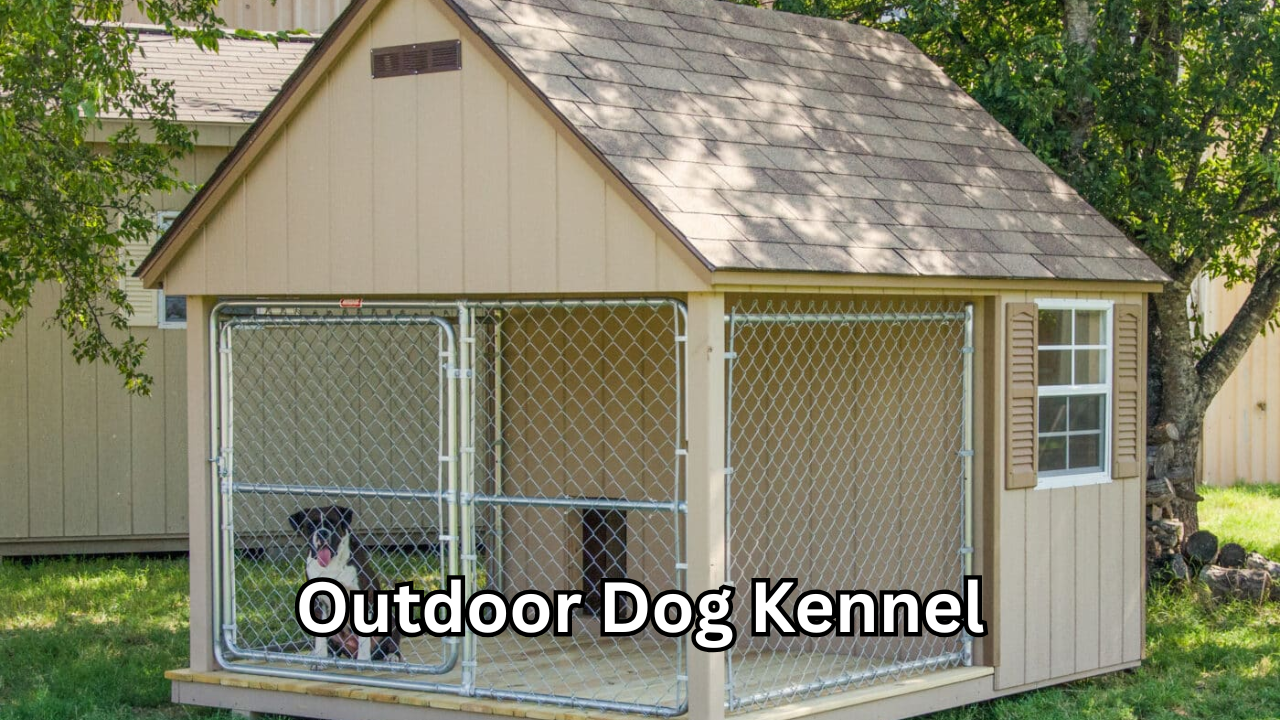
Choosing the right outdoor dog kennel is one of the most important decisions a pet owner can make when providing a safe, comfortable, and structured environment for their dog. A well-designed setup offers protection, freedom of movement, and peace of mind, especially for owners who value both security and animal well-being. When planned correctly, it becomes a long-term solution that balances safety, durability, and comfort without compromising quality of life.
Understanding the Purpose of a Kennel Space
An outdoor enclosure is more than just a fenced area. It serves as a controlled environment where dogs can rest, move, and observe their surroundings without constant supervision. For working dogs, large breeds, or highly energetic pets, having a dedicated outdoor space helps regulate behavior and reduce stress. It also supports healthy routines by separating playtime, rest, and feeding areas.
From an owner’s perspective, such a setup minimizes property damage, enhances safety, and supports responsible pet ownership. The key lies in thoughtful design and material selection rather than size alone.
Benefits of a Well-Planned Outdoor Dog Kennel
A properly constructed outdoor dog kennel provides benefits that go beyond simple containment. It offers dogs a sense of territory while keeping them protected from hazards such as traffic, wildlife, or harsh weather conditions. Unlike short-term solutions, a permanent structure encourages stability and routine.
Another major advantage is hygiene. Dedicated flooring and drainage options make cleaning easier, reducing odors and bacterial buildup. This is especially important for households with multiple pets or limited indoor space.

Choosing the Right Size and Layout
Size plays a critical role in comfort and usability. Dogs should be able to stand, stretch, and move freely without restriction. Larger breeds require more floor space, while active dogs benefit from longer runs that allow pacing and movement.
Layout also matters. Separating sleeping areas from activity zones helps maintain cleanliness and reduces anxiety. Including shaded sections and wind protection ensures the space remains usable year-round, regardless of climate changes.
Materials That Balance Safety and Durability
The materials used in construction directly impact longevity and safety. Galvanized steel frames are popular due to their resistance to rust and structural strength. Chain-link panels offer visibility and airflow, while solid panels can provide privacy and wind protection.
Flooring options should prioritize drainage and paw safety. Concrete is durable and easy to clean, but it should be sealed and paired with raised resting platforms to prevent joint strain. Rubber mats or composite decking can also enhance comfort while maintaining hygiene standards.
Weather Protection and Climate Considerations
Climate should always influence design decisions. In hot regions, ventilation and shade are essential to prevent overheating. Roof overhangs, breathable walls, and cooling airflow make a noticeable difference in daily comfort.
Colder climates require insulation and wind barriers. Adding a dog house or enclosed sleeping area within the structure helps regulate body temperature. Proper elevation from the ground also prevents moisture buildup and keeps the space dry during rain or snow.
Security Features That Matter
Safety extends beyond sturdy walls. Secure latches, reinforced doors, and tamper-resistant locks prevent accidental escapes and unauthorized access. Rounded edges and smooth welds reduce the risk of injury, especially for energetic or anxious dogs.
Visibility is another overlooked factor. Clear sightlines allow dogs to observe their surroundings without feeling isolated, which can reduce stress and excessive barking. At the same time, strategic placement away from busy roads or loud areas enhances overall calmness.
Maintenance and Hygiene Best Practices
Regular maintenance ensures long-term usability and health. Daily spot cleaning removes waste quickly, while weekly deep cleaning prevents odors and bacterial growth. Using pet-safe disinfectants protects both animals and the environment.
Routine inspections help identify wear, rust, or loose fittings early. Addressing minor issues promptly prevents costly repairs and maintains a safe enclosure. Consistent upkeep also extends the lifespan of an outdoor dog kennel, making it a cost-effective investment.
Enhancing Comfort and Mental Stimulation
Comfort goes beyond shelter. Adding raised beds, chew-safe toys, and enrichment items keeps dogs mentally engaged. Visual access to the yard or surrounding environment prevents boredom and supports natural curiosity.
Rotating toys and providing interactive elements encourage healthy behavior patterns. Even simple additions, such as textured surfaces or shaded observation points, can significantly improve daily quality of life.
Legal, Ethical, and Neighbor Considerations
Local regulations may govern enclosure size, placement, and noise levels. Checking zoning laws and animal welfare guidelines ensures compliance and avoids potential disputes. Ethical ownership also means ensuring dogs are not confined for excessive periods without interaction or exercise.
Proper placement minimizes noise impact on neighbors while maintaining accessibility for feeding, cleaning, and supervision. Thoughtful planning demonstrates responsibility and respect for both pets and the surrounding community.
Making a Long-Term Investment Decision
A high-quality outdoor dog kennel should be viewed as a long-term investment rather than a temporary fix. Spending more upfront on durable materials and smart design reduces future maintenance costs and improves overall safety.
Customization options allow owners to adapt the structure as needs change, whether accommodating a growing dog or adding features over time. Flexibility and foresight are key factors in long-term satisfaction.
Conclusion: Creating a Safe and Positive Outdoor Environment
Providing a secure, comfortable, and thoughtfully designed space reflects true commitment to a dog’s well-being. When built with care, an outdoor dog kennel becomes more than a structure—it becomes a dependable environment that supports health, safety, and happiness. By focusing on quality materials, smart layout, and ongoing maintenance, owners can create a positive outdoor living solution that stands the test of time while meeting modern standards of responsible pet care.
Also Read: Water Heater Explosion: The Shocking Risks and Powerful Ways to Stay Safe

One thought on “Outdoor Dog Kennel: The Ultimate Positive Guide to Safe and Comfortable Living”
Comments are closed.