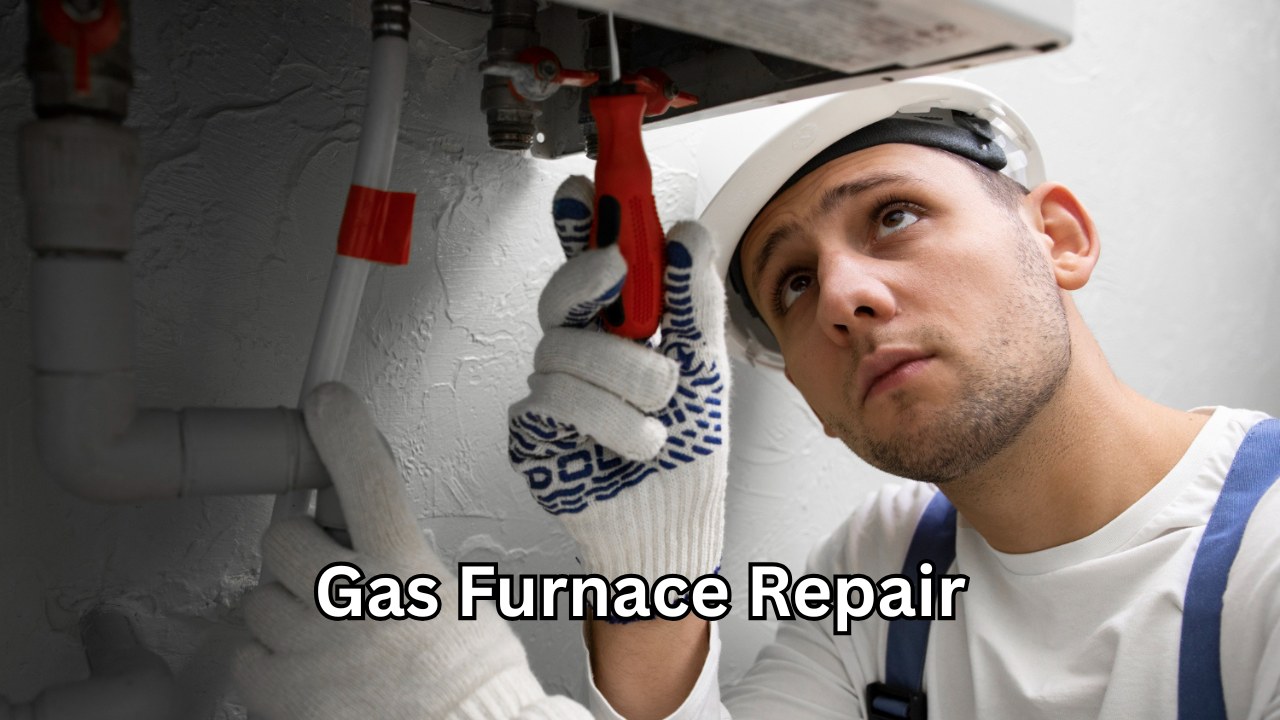
Gas furnace repair is something most homeowners don’t think about until a cold morning arrives and the heat refuses to turn on. A malfunctioning furnace is more than an inconvenience—it can affect comfort, energy efficiency, and household safety. Understanding how gas furnaces work, why problems occur, and when professional service is essential helps you make informed decisions that protect both your home and your family. This guide is designed to provide clear, trustworthy, and experience-backed insights so you can approach furnace issues with confidence rather than stress.
Understanding How a Gas Furnace Works
A gas furnace operates by igniting natural gas or propane to generate heat, which is then distributed throughout the home using a blower and duct system. Key components include the burner, heat exchanger, ignition system, blower motor, and thermostat. When all of these parts function together correctly, the system delivers consistent warmth with high efficiency.
Problems often start when one component fails or becomes dirty, worn, or misaligned. Even small issues, such as restricted airflow or a weak igniter, can cause noticeable performance drops. Knowing the basics of operation allows homeowners to recognize early warning signs and respond before the system shuts down completely.
Common Warning Signs You Should Never Ignore
Gas furnaces rarely fail without giving hints. Unusual noises like banging or rattling, uneven heating between rooms, or a sudden increase in energy bills are often early indicators of trouble. Some homeowners also notice frequent on-and-off cycling, which suggests the system is struggling to maintain the desired temperature.
Odors deserve special attention. While a faint smell at startup can be normal, persistent gas or burning smells signal a potentially serious issue. In such cases, turning off the furnace and contacting a qualified technician immediately is the safest course of action. Prompt attention not only restores comfort but also reduces the risk of more extensive damage.
Why Timely Maintenance Makes a Difference
Routine maintenance plays a crucial role in preventing unexpected breakdowns. Annual inspections help ensure burners are clean, safety controls are working, and airflow is unobstructed. Technicians also check for carbon monoxide leaks, which are invisible but dangerous.
Well-maintained furnaces tend to last longer and operate more efficiently. This translates into lower monthly heating costs and fewer emergency calls during peak winter months. From a long-term perspective, maintenance is far more affordable than repeated repairs or premature system replacement.
Gas Furnace Repair and Professional Diagnostics
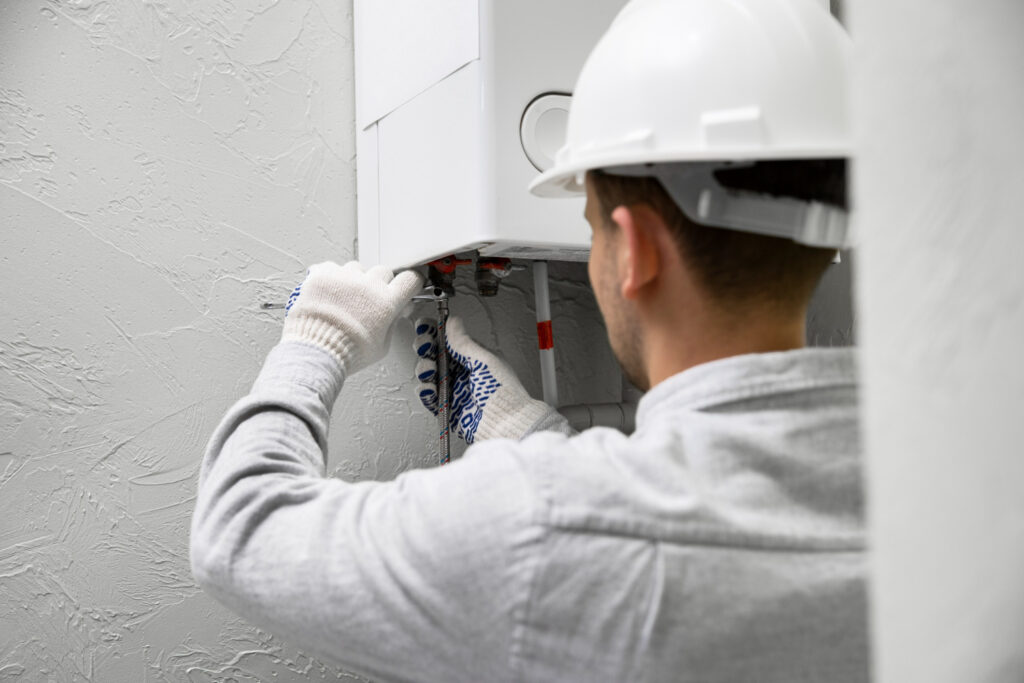
Gas furnace repair requires specialized training, tools, and safety knowledge. Modern furnaces rely on electronic controls and precise gas regulation, making professional diagnostics essential when problems arise. A certified technician can quickly identify whether the issue lies with the ignition system, gas valve, blower motor, or internal sensors.
Professional service also ensures compliance with local safety codes and manufacturer guidelines. Attempting complex fixes without proper expertise can void warranties or create hazards. Trusting a licensed professional provides peace of mind that the repair is done correctly and safely the first time.
Safety Considerations Every Homeowner Should Know
Safety is a top priority with any gas-powered appliance. Carbon monoxide detectors should be installed near sleeping areas and tested regularly. Proper ventilation is equally important, as blocked flues or vents can cause harmful gases to back up into the home.
Homeowners should also be aware of the furnace’s age and condition. Older units may lack modern safety features, increasing the importance of regular inspections. Addressing safety proactively reduces the likelihood of emergencies and ensures your heating system operates within safe parameters.
Cost Factors and What Influences Repair Pricing
The cost of service varies depending on the nature of the problem, the age of the furnace, and the availability of replacement parts. Minor issues such as sensor adjustments or thermostat recalibration are typically less expensive than major component replacements.
Labor rates and regional factors also influence pricing. While it may be tempting to choose the cheapest option, quality workmanship and proper diagnostics often save money in the long run by preventing repeat failures. Transparent estimates and clear explanations from service providers are signs of a trustworthy professional.
When Repair Is Better Than Replacement
Deciding between fixing an existing furnace and installing a new one depends on several factors. If the unit is relatively young and the issue is isolated, repairs are usually the most practical solution. Modern furnaces are designed for durability, and addressing problems early can restore years of reliable operation.
However, if breakdowns are frequent and efficiency has noticeably declined, replacement may be worth considering. A professional evaluation helps weigh immediate repair costs against long-term savings from a newer, more efficient system. Making an informed choice prevents wasted investment and future frustration.
Improving Efficiency After Service
After repairs are completed, homeowners can take steps to maximize efficiency. Regularly changing air filters improves airflow and reduces strain on the system. Sealing duct leaks and ensuring vents are unobstructed also help distribute heat evenly.
Smart thermostats can further enhance performance by optimizing heating schedules based on daily routines. These small adjustments work together to extend the benefits of professional service and keep energy use under control throughout the heating season.
Choosing a Reliable Service Provider
Selecting the right technician is as important as the repair itself. Look for licensed, insured professionals with documented experience and positive customer reviews. Clear communication, upfront pricing, and a willingness to explain findings are indicators of a reputable service provider.
A dependable company will also offer guidance on future maintenance and system care. Building a relationship with a trusted professional ensures faster response times and consistent quality whenever your furnace needs attention.
Long-Term Care and Peace of Mind
Gas furnaces are long-term investments that reward attentive care. Scheduling annual tune-ups, responding quickly to unusual symptoms, and prioritizing safety measures all contribute to reliable performance. Over time, these habits reduce stress, lower energy costs, and extend the life of the system.
Understanding your heating system empowers you to make smarter decisions and avoid unnecessary emergencies. With the right approach, professional gas furnace repair becomes not just a fix, but part of a broader strategy for comfort, efficiency, and safety.
Conclusion: A Smart Approach to Reliable Heating
A well-functioning furnace is essential for comfort during colder months, but it also plays a critical role in household safety and energy efficiency. By recognizing warning signs, investing in routine maintenance, and relying on qualified professionals when issues arise, homeowners can protect their systems and their peace of mind. Thoughtful care and timely service ensure your heating system remains dependable when you need it most, delivering warmth without worry year after year.
Also Read: Ceiling Fan Installation Made Easy: A Smart Upgrade You’ll Love
One thought on “Gas Furnace Repair: Powerful Solutions for Safe and Reliable Home Heating”
Comments are closed.