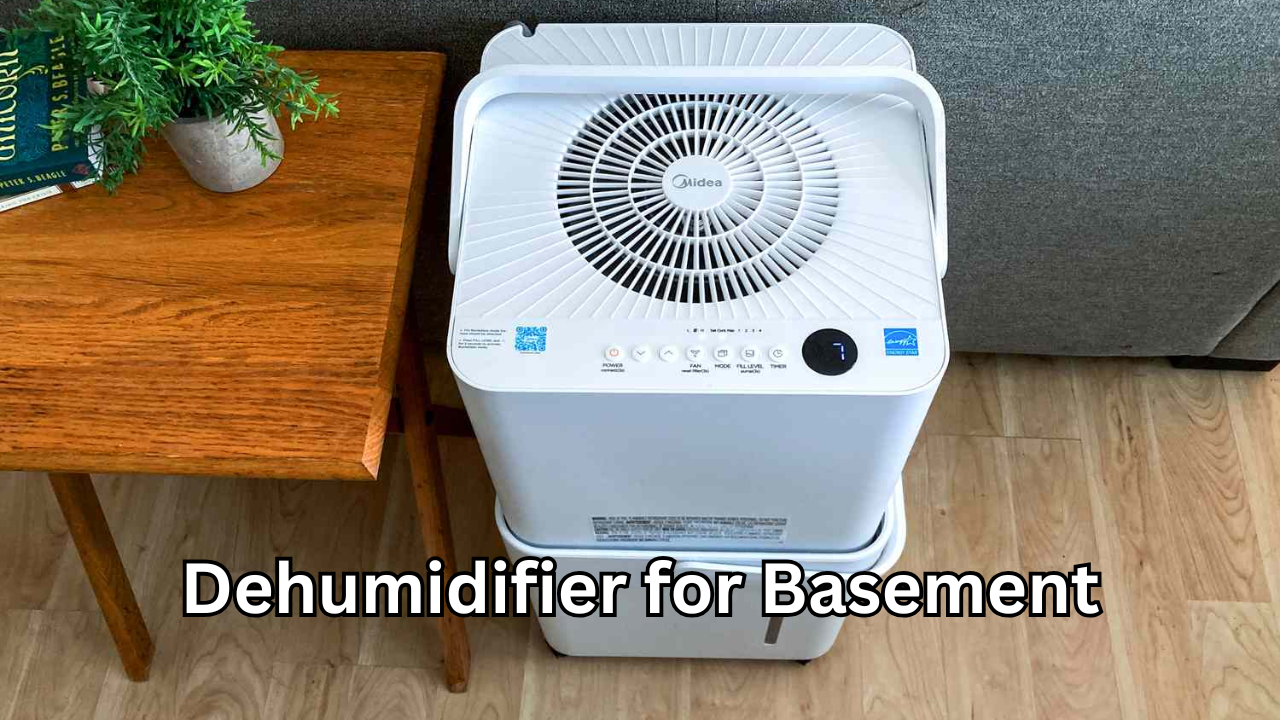
A dehumidifier for basement use is one of the most effective ways to protect your home from excess moisture, musty odors, and long-term structural damage. Basements naturally attract humidity due to their below-ground location, poor ventilation, and temperature differences. When moisture is left unchecked, it can lead to mold growth, unhealthy air quality, and damage to stored belongings. Choosing the right solution early helps maintain comfort, safety, and value throughout your home.
Understanding Why Basements Struggle With Moisture
Basements are more vulnerable to damp conditions than other areas of a house. Groundwater pressure, minor foundation cracks, and condensation from cooler surfaces all contribute to elevated humidity levels. Even well-built homes can experience moisture issues during rainy seasons or periods of high outdoor humidity.
Excess moisture doesn’t always show obvious signs right away. Over time, it can weaken building materials, cause paint to peel, and create an environment where allergens thrive. Addressing humidity is not just about comfort—it’s about preventing hidden problems that become costly to repair later.
Health and Home Risks of Ignoring High Humidity
Persistent dampness creates conditions that negatively affect both health and property. Mold spores and dust mites flourish in humid air, which can worsen allergies, asthma, and other respiratory conditions. For families spending time in finished basements or using them as storage areas, this becomes a serious concern.
From a structural perspective, moisture can rot wood framing, corrode metal fixtures, and damage insulation. Paper goods, electronics, and fabrics stored in a damp basement often deteriorate quickly. Managing humidity is a proactive step that protects both occupants and investments.

How a Dehumidification System Improves Basement Conditions
A properly selected moisture-control appliance works by pulling in humid air, removing excess water, and releasing drier air back into the space. Over time, this process stabilizes indoor humidity levels, making the basement more comfortable and usable.
Unlike temporary fixes such as fans or moisture-absorbing packets, a mechanical system provides continuous, measurable control. It reduces condensation on walls and floors, helps eliminate odors, and supports better air circulation. For many homeowners, this single upgrade transforms the basement from a problem area into a functional extension of the home.
Dehumidifier for Basement: Key Features That Matter Most
Choosing a dehumidifier for basement environments requires attention to features that match the space and conditions. Capacity is one of the most important factors, as basements often require higher moisture removal rates than standard living areas.
Other essential features include:
- Automatic humidity control to maintain consistent levels
- Continuous drainage options to avoid frequent manual emptying
- Durable construction designed for cooler, enclosed spaces
Noise level, energy efficiency, and ease of maintenance also play a role, especially if the basement is used regularly. Selecting a model designed specifically for lower levels ensures reliable performance over time.
Sizing and Placement for Maximum Effectiveness
Correct sizing directly affects how well the system performs. An undersized unit may run constantly without achieving desired results, while an oversized one may cycle too frequently, reducing efficiency. Square footage, ceiling height, and current moisture levels should all be considered before purchase.
Placement is equally important. Positioning the unit near the center of the basement or close to known moisture sources allows for better air circulation. Keeping doors open and avoiding obstructions helps the appliance work more efficiently and evenly throughout the space.
Energy Efficiency and Long-Term Operating Costs
Modern humidity-control units are far more energy-efficient than older models. Choosing an energy-conscious option helps reduce electricity costs while still delivering strong performance. Look for systems with adjustable settings that allow you to balance moisture control with energy use.
Regular maintenance, such as cleaning filters and checking drainage lines, also contributes to efficiency. A well-maintained system not only lasts longer but also operates at peak performance, saving money over its lifespan.
Maintenance Tips for Consistent Performance
Even the best equipment requires routine care. Filters should be cleaned or replaced as recommended to maintain airflow and prevent dust buildup. Drain hoses and collection reservoirs should be checked periodically to ensure proper water removal.
Seasonal inspections are especially helpful in basements, where humidity levels can fluctuate throughout the year. Simple maintenance habits prevent breakdowns and ensure the system continues to protect the space effectively.
When to Upgrade or Replace an Older Unit
If an existing moisture-control system struggles to keep up, runs constantly, or no longer maintains stable humidity levels, it may be time for an upgrade. Advances in technology have improved efficiency, noise reduction, and overall reliability.
A newer dehumidifier for basement conditions often provides better control with less energy use, making it a smart long-term investment. Replacing outdated equipment before it fails completely can also prevent sudden moisture spikes and related damage.

Integrating Moisture Control With Other Basement Improvements
Humidity management works best when combined with other preventive measures. Sealing foundation cracks, improving exterior drainage, and adding insulation all reduce the moisture load placed on the system. Together, these steps create a balanced environment that’s easier to maintain.
For finished basements, proper moisture control protects flooring, drywall, and furnishings. In unfinished spaces, it preserves structural components and stored items. Either way, consistent humidity management supports a healthier, more durable home.
Making a Confident, Informed Choice
Selecting the right solution involves understanding your basement’s unique conditions and choosing equipment designed to handle them effectively. Capacity, efficiency, durability, and maintenance needs should all factor into the decision-making process.
Investing in a reliable dehumidifier for basement use is not just about solving a short-term problem. It’s about creating a stable indoor environment that supports health, comfort, and long-term property value.
Conclusion: A Dry Basement Is a Stronger Home
Basement moisture problems rarely resolve on their own, but they can be managed with the right approach. By understanding the causes of humidity and choosing equipment suited to below-ground spaces, homeowners can prevent damage and improve indoor air quality.
A well-chosen dehumidifier for basement areas delivers lasting benefits, from protecting structural integrity to creating a cleaner, more comfortable living environment. With proper selection, placement, and maintenance, it becomes a powerful ally in keeping your home dry, healthy, and resilient for years to come.
Also Read: How to Clean a Microwave Fast: A Powerful, Stress-Free Solution

One thought on “Dehumidifier for Basement: A Powerful Solution to a Healthier, Drier Space”
Comments are closed.