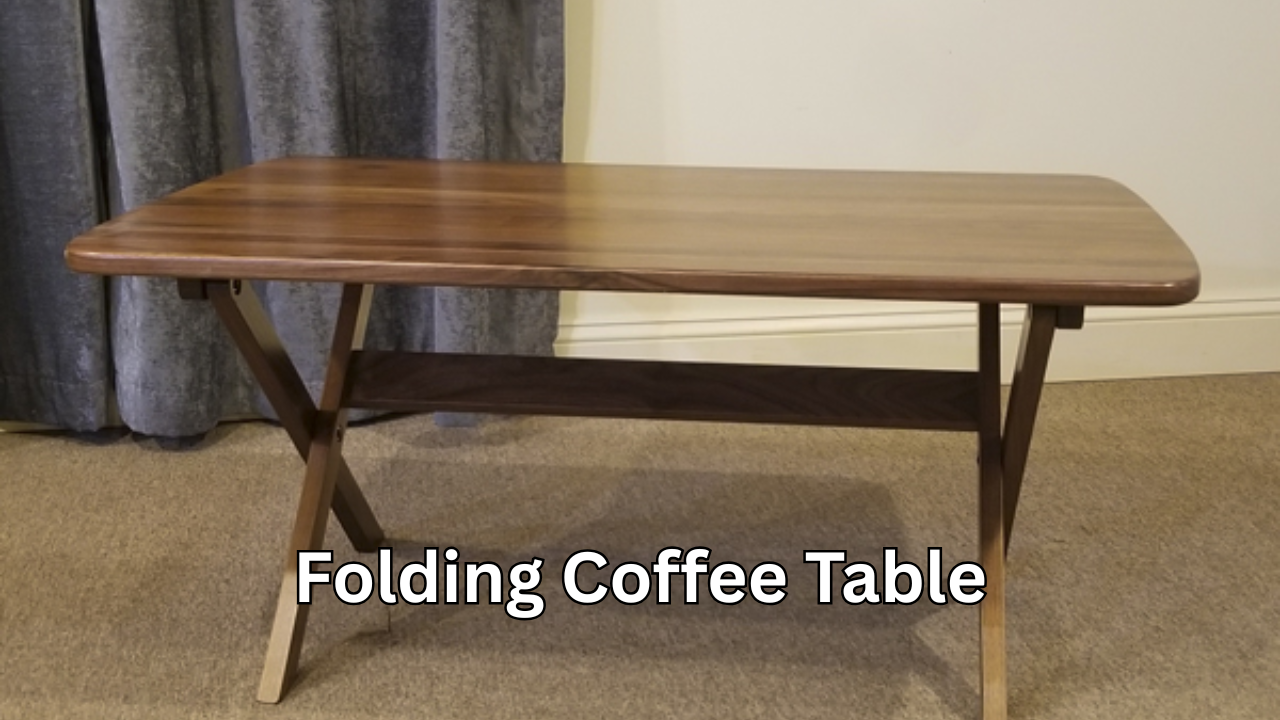
A well-chosen folding coffee table can quietly transform how a living space functions, especially when square footage is limited and flexibility matters. Designed to adapt to modern lifestyles, this type of table balances style with practicality, offering convenience without visual clutter. Whether you live in an apartment, studio, or a multifunctional family home, understanding what makes these tables valuable helps you invest wisely and avoid furniture regret.
Understanding the Role of Space-Saving Furniture
Urban living and minimalist design trends have reshaped how people think about furniture. Pieces are no longer expected to serve only one purpose. Instead, they must adapt to changing needs throughout the day. Space-saving furniture answers this demand by offering flexibility, mobility, and efficiency.
Unlike traditional fixed tables, foldable designs allow homeowners to reclaim floor space instantly. When not in use, the table can be tucked away, leaned against a wall, or stored under furniture. This adaptability makes it easier to maintain open layouts, improve movement, and keep rooms visually calm rather than overcrowded.
Why a Folding Coffee Table Is a Smart Choice
Choosing a folding coffee table is less about compromise and more about smart planning. These tables are engineered to deliver functionality when you need it and disappear when you do not. Their value lies in how seamlessly they support daily routines.
In small homes, a single piece of furniture often needs to perform multiple roles. A foldable table can function as a casual dining surface, a laptop desk, a board game hub, or a serving table for guests. When the activity ends, folding it down restores the room’s original purpose without effort.
Design Styles That Fit Modern Homes
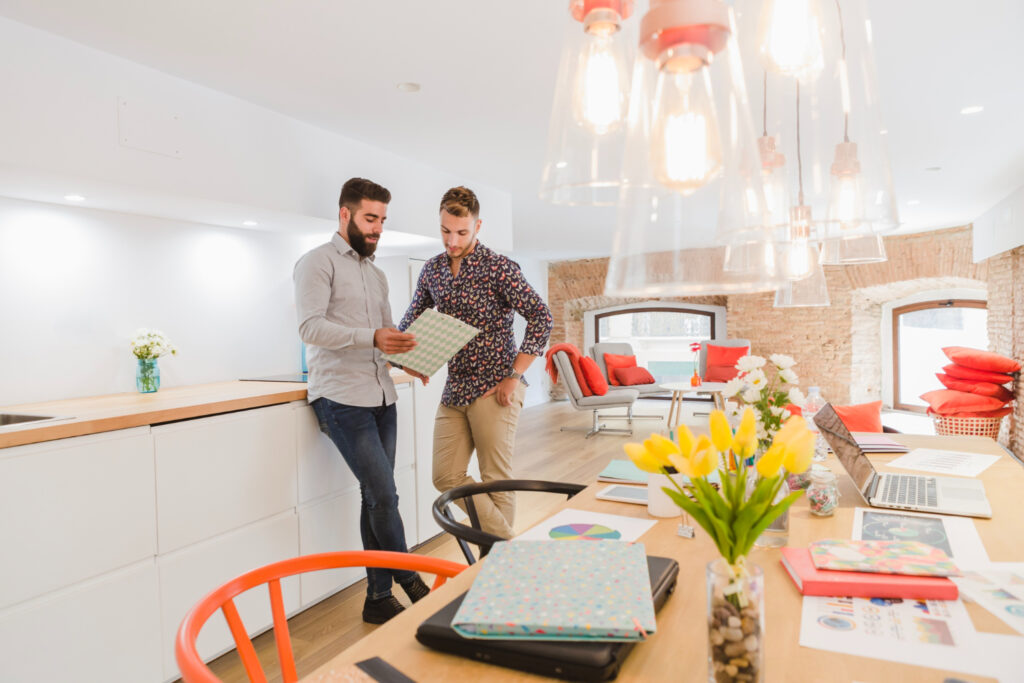
Modern foldable tables are far removed from the flimsy designs of the past. Today’s options reflect a wide range of aesthetics that blend easily into contemporary interiors. From clean Scandinavian lines to industrial metal frames, there is no shortage of styles.
Minimalist designs focus on neutral tones, slim profiles, and natural textures. These tables complement modern and Japandi-inspired spaces. On the other hand, rustic or farmhouse-inspired models often use warm wood finishes that add character and balance to cozy living rooms. Choosing a style that aligns with your existing décor ensures the table looks intentional rather than temporary.
Materials That Affect Durability and Appearance
The materials used in a foldable table directly influence its longevity and feel. Solid wood offers warmth, stability, and a premium look, making it ideal for long-term use. Engineered wood, such as MDF with veneer finishes, provides a lighter and more budget-friendly option while still delivering visual appeal.
Metal frames add strength and are commonly paired with wooden or glass tops. Glass surfaces, while elegant, require careful handling and frequent cleaning. When selecting materials, it is important to balance aesthetics with lifestyle needs, especially if children or pets are part of the household.
Functionality Beyond the Living Room
While traditionally placed in living rooms, these tables are increasingly used in other areas of the home. In home offices, they serve as temporary workstations. In bedrooms, they double as breakfast trays or reading tables. Some homeowners even use them on balconies or patios for casual outdoor use.
This versatility makes a folding coffee table particularly appealing for renters or anyone who anticipates moving. Instead of buying room-specific furniture, one adaptable piece can follow you through different spaces and layouts with ease.
Key Features to Look for Before Buying
Not all foldable tables are built the same, and small design details make a big difference in daily use. Stability should be a top priority. A well-designed folding mechanism should lock securely in place to prevent wobbling or accidental collapse.
Weight capacity is another often-overlooked factor. If you plan to use the table for meals, laptops, or storage, ensure it can handle the load comfortably. Smooth hinges, reinforced joints, and non-slip feet all contribute to safer and more enjoyable use over time.
Maintenance and Long-Term Care
One advantage of foldable furniture is its relatively low maintenance. However, proper care extends its lifespan and keeps it looking new. Regular dusting and gentle cleaning prevent buildup that can interfere with folding mechanisms.
Wooden surfaces benefit from occasional polishing, while metal components should be checked for loose screws or signs of wear. Storing the table in a dry, stable environment when folded helps prevent warping, rust, or joint damage, especially in humid climates.
How It Enhances Daily Living
The real benefit of owning a folding coffee table becomes clear in everyday moments. It allows spontaneous activities without permanent clutter. You can host guests, work from home, or enjoy a relaxed meal without rearranging your entire room.
This flexibility supports a more intentional lifestyle. Instead of working around bulky furniture, your furniture works around you. Over time, this convenience contributes to a cleaner, calmer, and more functional home environment.

Sustainability and Smart Consumption
From an environmental perspective, multifunctional furniture supports more sustainable consumption habits. Buying one adaptable piece instead of several single-purpose items reduces material use and waste. Many manufacturers now prioritize responsibly sourced wood and durable construction to extend product life cycles.
Investing in quality over quantity aligns with modern sustainability values and also saves money in the long run. A well-built foldable table can remain useful through changing living situations, reducing the need for frequent replacements.
Making the Right Decision for Your Space
Before purchasing, take accurate measurements of your room and consider how the table will be used most often. Think about how easily it can be folded, moved, and stored. Visualizing its role in your daily routine helps prevent impulse buys that do not truly fit your lifestyle.
A thoughtfully chosen folding coffee table should feel like a natural extension of your space rather than a temporary solution. When design, durability, and function align, the result is furniture that quietly improves everyday living.
Final Thoughts: Practical Comfort Without Compromise
Modern homes demand furniture that adapts, and foldable designs meet that challenge with ease. By combining flexibility, style, and smart engineering, a folding coffee table proves that practical furniture does not have to sacrifice aesthetics or comfort.
When selected with care, this versatile piece becomes more than just a table. It becomes a reliable part of daily life, supporting work, relaxation, and social moments while keeping your space open, organized, and effortlessly functional.
Also Read: Refrigerator Leaking Water: The Frustrating Problem You Must Fix Fast


One thought on “Folding Coffee Table That Makes Small Living Spaces Better”
Comments are closed.