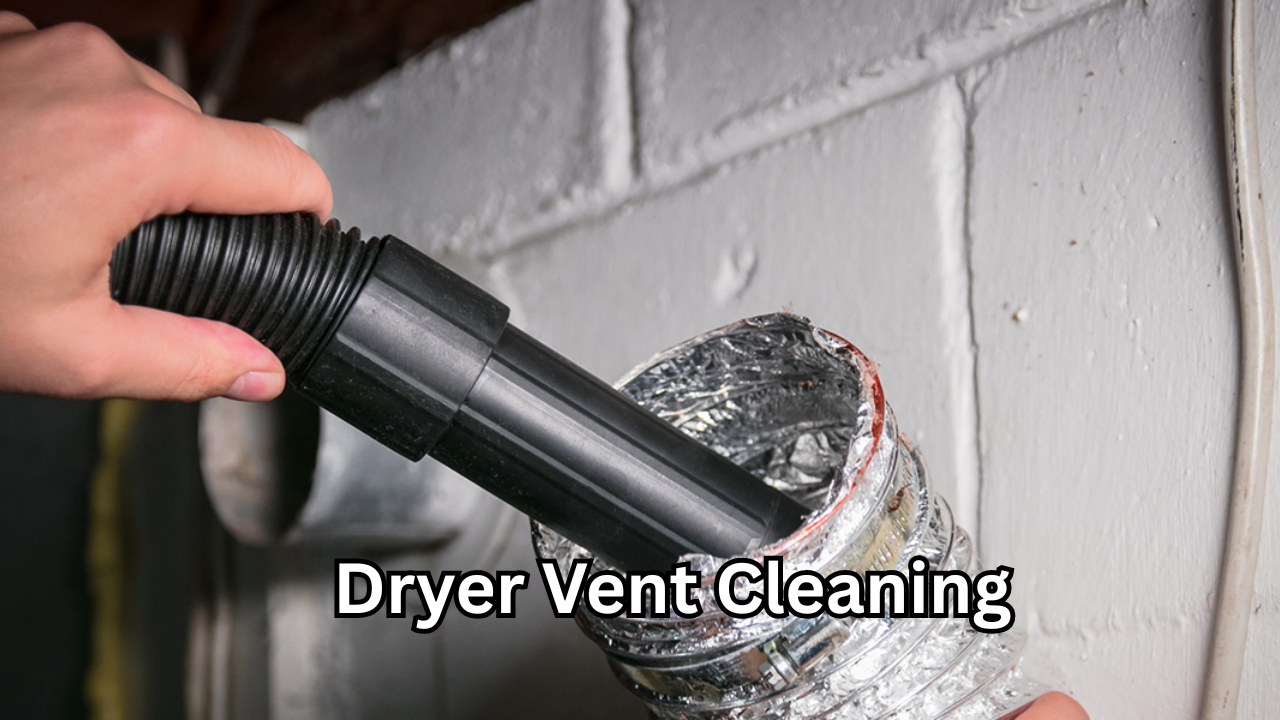
Dryer vent cleaning is one of those essential home maintenance tasks that many homeowners overlook until a problem shows up. A clogged or poorly maintained vent can quietly reduce appliance efficiency, increase energy costs, and even create serious safety risks. Understanding why this service matters—and how it fits into responsible home care—can help you avoid costly repairs and unnecessary hazards while keeping your household running smoothly.
Why Lint Buildup Is a Bigger Problem Than It Looks
Every time you run a dryer, tiny fibers shed from clothing and linens. While lint traps catch a large portion, a significant amount escapes into the vent system. Over time, this buildup restricts airflow and forces the dryer to work harder than it should. Reduced airflow doesn’t just slow drying times; it also raises internal temperatures, which can stress components and shorten the life of the appliance.
Beyond performance issues, lint is highly flammable. When combined with heat and restricted ventilation, it creates conditions that increase the likelihood of a fire. Addressing this issue early is far safer and far less expensive than dealing with emergency repairs or property damage later.
Signs Your Dryer Vent Needs Immediate Attention
Many homeowners assume problems with their dryer are mechanical, but the vent is often the real culprit. Longer drying cycles are one of the earliest warning signs. If loads that once dried in one cycle now require two or three, airflow restriction is likely.
Another common indicator is excessive heat. If the dryer or the laundry room feels unusually warm, hot air may not be escaping properly. A burning smell, especially during extended use, should never be ignored. Even visible lint accumulating around the exterior vent hood can signal a blockage forming deeper in the system.

Dryer Vent Cleaning and Home Safety
Dryer Vent Cleaning as a Fire Prevention Measure
Dryer vent cleaning plays a critical role in reducing household fire risks. According to fire safety professionals, clogged vents are a frequent contributor to dryer-related fires because trapped lint ignites easily under high heat. Proper maintenance restores ventilation, allowing hot air and moisture to exit safely instead of building up inside the machine.
Regular attention also helps ensure that safety sensors function as intended. When airflow is blocked, dryers may overheat without triggering warnings, especially in older models. Clearing the vent helps the appliance operate within safe temperature ranges, offering peace of mind with every load.
How Vent Blockages Affect Energy Efficiency
When a dryer can’t expel air efficiently, it compensates by running longer and consuming more electricity or gas. Over time, this inefficiency shows up on utility bills. Even a partially blocked vent can significantly increase energy use because the appliance struggles to dry clothes fully.
Restoring proper airflow improves drying performance almost immediately. Loads finish faster, the dryer cycles less often, and overall energy consumption drops. This efficiency gain benefits not only your household budget but also the environment by reducing unnecessary energy demand.
Professional Service vs. DIY Maintenance
Some homeowners attempt basic vent maintenance on their own, such as cleaning the lint trap and vacuuming the visible portion of the duct. While these steps are helpful, they rarely address the entire vent system. Many vents run several feet through walls, ceilings, or crawl spaces where buildup isn’t easily accessible.
Professional technicians use specialized tools to reach deep into the ductwork and remove compacted lint safely. They also inspect for issues like crushed ducts, improper vent materials, or exterior blockages. This level of inspection is difficult to replicate with household equipment and experience alone.
How Often Should Vents Be Cleaned?
The ideal frequency depends on several factors, including household size, laundry volume, and vent length. Homes with large families or frequent laundry cycles generally require more frequent attention. Similarly, long or complex vent runs accumulate lint faster than short, straight systems.
As a general guideline, most experts recommend scheduling dryer vent cleaning at least once a year. However, if you notice performance changes or warning signs earlier, it’s wise to act sooner. Preventive maintenance is always easier and cheaper than reactive repairs.
Choosing a Reliable Service Provider
Not all service providers offer the same level of quality. Look for companies with clear experience, proper insurance, and transparent pricing. Reputable professionals should explain their process, answer questions confidently, and provide recommendations based on what they find during the inspection.
Avoid providers that rely on scare tactics or push unnecessary add-ons. A trustworthy technician focuses on safety, performance, and long-term value rather than quick upsells. Reading reviews and checking credentials can help ensure you’re inviting a reliable expert into your home.
The Hidden Benefits You Might Not Expect
Beyond safety and efficiency, proper vent maintenance can extend the lifespan of your dryer. When the appliance operates under less strain, components like heating elements and motors experience less wear. This can delay the need for replacement and reduce repair costs over time.
You may also notice better indoor air quality. Blocked vents can force moisture and fine particles back into the home, contributing to humidity issues or musty odors. Clear ventilation helps maintain a healthier indoor environment, especially in enclosed laundry spaces.
Common Myths About Vent Maintenance
One widespread myth is that cleaning the lint trap is enough. While essential, the lint trap only captures a portion of fibers released during drying. The rest travel into the vent, where they accumulate gradually out of sight.
Another misconception is that new homes don’t need this service. In reality, construction debris, improper installation, or sharp bends in ductwork can cause problems even in recently built houses. Maintenance is a long-term responsibility, regardless of a home’s age.

What Happens During a Professional Visit
A standard service appointment typically begins with an inspection of the dryer and vent path. Technicians assess airflow, check connections, and identify potential hazards. Specialized brushes and vacuum systems are then used to dislodge and remove lint throughout the duct.
After cleaning, airflow is tested again to confirm improvement. Many professionals also provide guidance on proper dryer use and simple habits that help keep vents clear between visits. This educational aspect adds value beyond the immediate service.
Making Vent Care Part of Your Home Routine
Incorporating vent maintenance into your annual home care checklist makes it easier to stay consistent. Just as you service heating systems or clean gutters, scheduling dryer vent cleaning helps prevent avoidable problems. Marking it on a calendar or pairing it with another maintenance task can ensure it doesn’t get forgotten.
Consistency is key. Regular attention keeps the system functioning as designed and reduces the chance of sudden issues disrupting your daily routine. Over time, this proactive approach saves both money and stress.
Final Thoughts on Responsible Dryer Care
Dryer vent cleaning is a practical, safety-focused investment that supports efficient appliance performance and protects your home. By recognizing warning signs, understanding the risks of neglect, and committing to regular maintenance, homeowners can avoid common pitfalls associated with clogged vents. A clean, well-maintained vent system doesn’t just improve how your dryer works—it contributes to a safer, more energy-efficient household with benefits that last well beyond laundry day.
Also Read: Outlet Not Working: Powerful Fixes for a Frustrating Electrical Problem



One thought on “Dryer Vent Cleaning: The Smart, Safe Way to Protect Your Home”
Comments are closed.