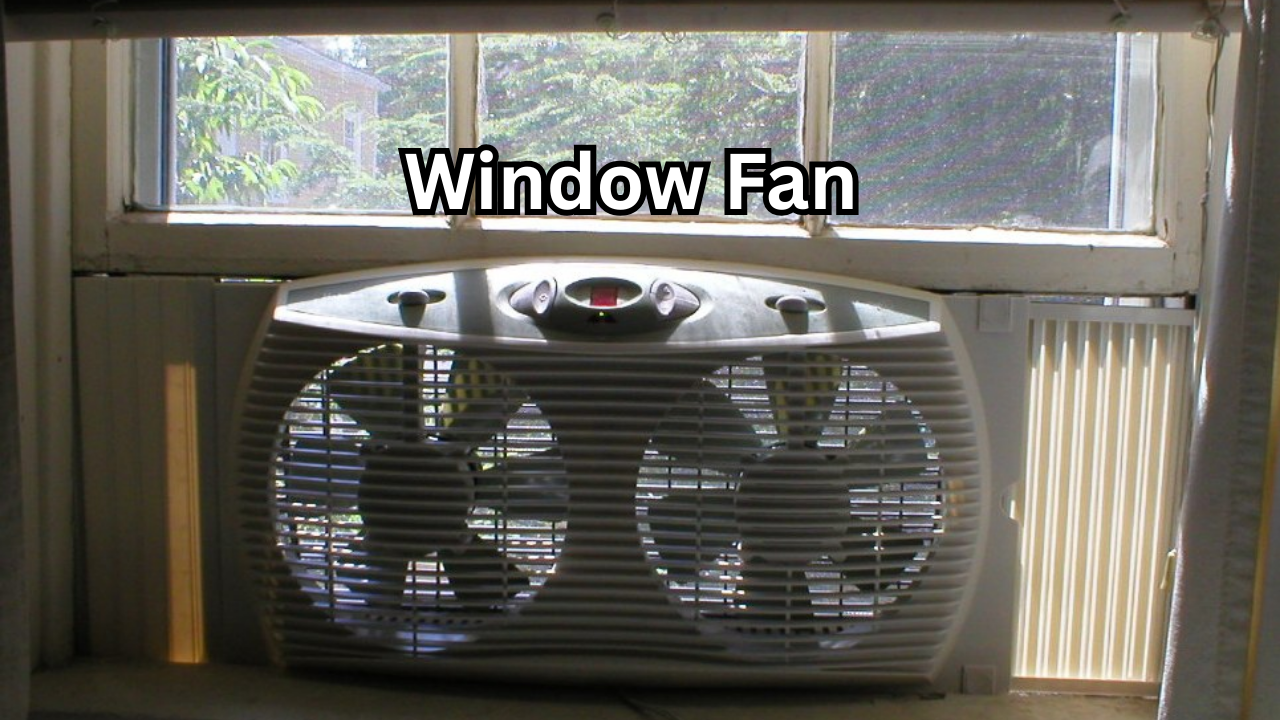
A window fan can be a surprisingly powerful solution for improving indoor comfort, especially in homes that struggle with heat buildup, stale air, or poor circulation. Designed to fit directly into a window frame, this type of fan offers targeted airflow that feels more natural than many alternatives. It works quietly, consumes less energy than air conditioning, and supports healthier indoor air quality—making it a positive choice for modern living spaces.
Understanding How Window-Mounted Fans Work
These fans are engineered to pull fresh outdoor air inside, push warm indoor air out, or alternate between both functions. Unlike portable fans that simply recirculate existing air, this design actively exchanges air between indoors and outdoors. That exchange is what helps reduce humidity, odors, and trapped heat.
Most models include adjustable side panels to create a snug fit, preventing air leaks and rattling. Higher-quality versions often include reversible motors, allowing users to control airflow direction depending on the season or time of day. This flexibility makes them useful in bedrooms, kitchens, and living spaces alike.
Key Benefits for Everyday Home Comfort
One major advantage is improved ventilation without heavy energy use. These fans typically draw far less power than cooling systems, which helps lower electricity bills during warmer months. They also contribute to better indoor air quality by removing pollutants such as cooking smells, pet odors, and excess moisture.
Another benefit is nighttime cooling. When outdoor temperatures drop, pulling in cool evening air can naturally reduce indoor heat. This creates a comfortable sleeping environment without relying on air conditioning all night. For households focused on sustainability, that reduced energy demand is a strong positive.

Energy Efficiency and Cost Savings
From an efficiency standpoint, this type of ventilation solution stands out. It provides effective airflow using minimal electricity, making it ideal for budget-conscious homeowners or renters. Over time, the savings can be significant, particularly in regions where summers are long but nights are cooler.
Because it complements rather than replaces other cooling methods, it can reduce the workload on air conditioners. Less strain on HVAC systems often means fewer repairs and a longer lifespan, adding indirect financial benefits.
Choosing the Right Window Fan for Your Space
Not all models perform the same, so selection matters. Size compatibility with your window is the first consideration. Measure carefully to ensure a secure fit, as gaps reduce efficiency and increase noise. Noise level itself is another important factor, especially for bedrooms or home offices.
Look for features that enhance usability, such as multiple speed settings, thermostatic controls, or remote operation. Some advanced options even include digital displays and automatic shutoff, which improve convenience and safety. Durability also matters, as exposure to outdoor conditions can affect longevity.
Installation Tips for Best Performance
Installation is generally straightforward, but attention to detail improves results. A tight seal around the unit prevents air leakage and keeps insects out. Many people overlook this step, but sealing foam or adjustable panels make a noticeable difference.
It’s also important to consider window placement. Installing the fan in a window opposite another opening allows for cross-ventilation, which significantly improves airflow throughout the room. This setup maximizes cooling efficiency without additional energy use.
Window Fan vs Other Ventilation Options
When compared to ceiling or pedestal fans, a window fan offers a more functional approach to air exchange. Traditional fans circulate air within the same space, which can feel less effective during extreme heat. Exhaust fans, on the other hand, are often fixed and limited to specific rooms like kitchens or bathrooms.
This type of fan provides a balanced middle ground. It is portable enough to move between rooms yet powerful enough to actively replace indoor air. That versatility makes it an appealing option for apartments, older homes, and spaces without central ventilation.
Seasonal Use and Year-Round Value
Although commonly associated with summer, these fans are useful year-round. In spring and fall, they help regulate indoor temperatures without mechanical cooling or heating. During winter, brief use can remove stale air without fully opening windows, especially in mild climates.
Proper seasonal use also protects indoor furnishings by reducing humidity. Controlling moisture helps prevent mold growth and preserves wood, fabrics, and electronics over time.
Maintenance and Long-Term Care
Routine maintenance keeps performance consistent. Dust buildup on blades can reduce airflow and increase noise, so periodic cleaning is essential. Most models allow easy removal for wiping or vacuuming.
Check seals and panels regularly to ensure they remain secure. Over time, weather exposure can loosen fittings or degrade materials. Addressing small issues early helps extend the lifespan and maintain efficient operation.

Safety and Noise Considerations
Modern designs prioritize safety with protective grills and stable mounting systems. Still, it’s important to install the unit firmly to prevent vibration or accidental falls. For households with children or pets, choosing a model with sturdy guards is essential.
Noise levels vary, but many newer fans operate quietly even at higher speeds. Reading specifications and user feedback can help identify models suited for quiet environments like bedrooms.
Environmental Impact and Sustainability
Using natural airflow instead of constant air conditioning reduces overall energy consumption. That reduction translates to lower carbon emissions, making this ventilation option environmentally responsible. For eco-conscious homeowners, it’s an easy step toward more sustainable living without sacrificing comfort.
Because it relies on simple mechanical operation rather than refrigerants or complex systems, its environmental footprint remains relatively low throughout its lifespan.
Conclusion: A Smart Upgrade for Healthier Living
A window fan offers a practical, energy-efficient way to improve comfort, airflow, and indoor air quality. Its ability to exchange fresh and stale air sets it apart from standard fans, while its low operating cost makes it accessible to most households. When chosen carefully and installed correctly, it delivers long-term value that supports healthier, more comfortable living spaces without unnecessary energy use.
Also Read: Dryer Vent Cleaning: The Smart, Safe Way to Protect Your Home

One thought on “Window Fan Benefits: A Powerful, Smart, and Refreshing Choice for Better Ventilation”
Comments are closed.