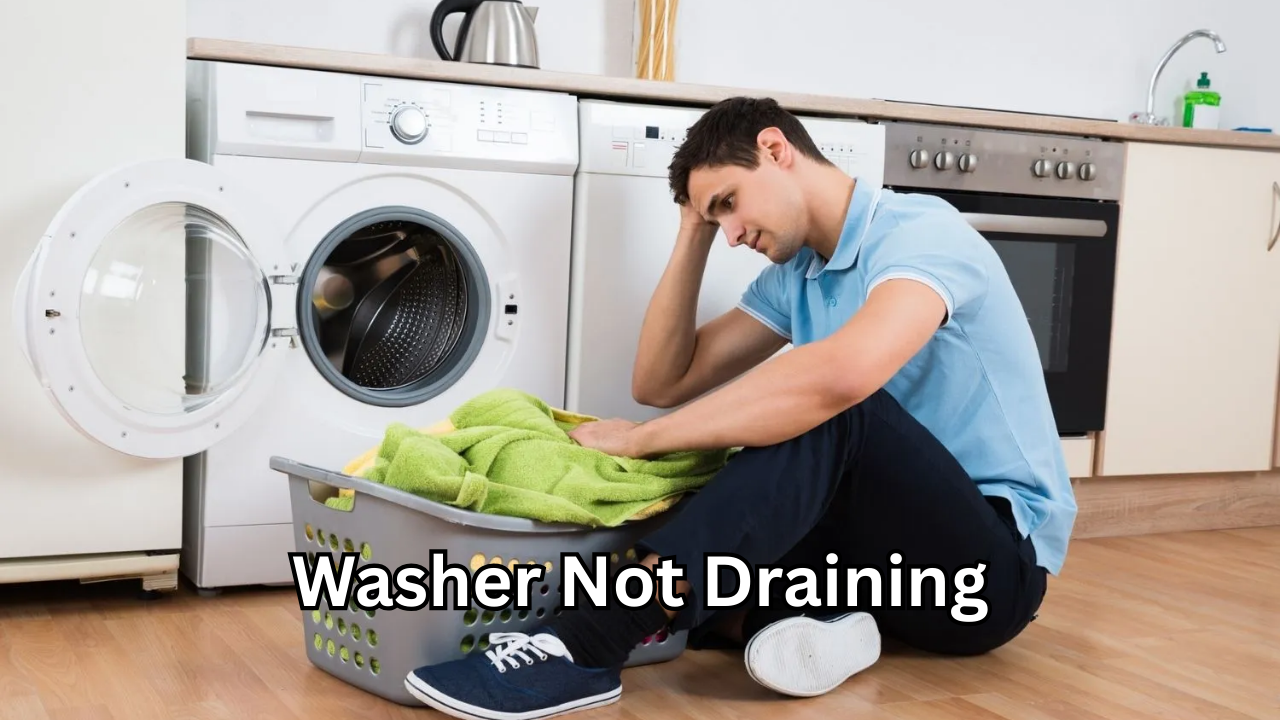
A washer not draining is one of the most frustrating laundry problems homeowners face. You load your clothes, run a full cycle, and then open the lid only to find standing water sitting in the drum. Whether you have a top-load or front-load machine, this issue can disrupt your routine and potentially damage your appliance if left unresolved.
In this comprehensive guide, you’ll learn exactly why your washer is not draining, how to diagnose the problem, and the most effective solutions to fix it. This professional, SEO-optimized resource will help you solve the issue quickly while preventing future drainage problems.
Why Is My Washer Not Draining?
When a washer does not drain properly, it usually points to a blockage, mechanical failure, or electrical issue. Modern washing machines rely on a drain pump, hoses, and control systems working together. If one component fails, water remains trapped inside the drum.
Here are the most common reasons your washer is not draining:
- Clogged drain hose
- Blocked or faulty drain pump
- Lid switch malfunction
- Broken belt (in belt-driven washers)
- Obstructed coin trap or filter
- Control board or timer failure
Understanding the root cause is the first step toward a permanent fix.
Clogged Drain Hose
One of the most common causes of a washer not draining is a clogged drain hose. Over time, lint, detergent residue, small clothing fibers, and even coins can build up inside the hose.
Signs of a Clogged Drain Hose
- Water drains very slowly
- Gurgling sounds during the drain cycle
- Washer stops mid-cycle
- Standing water in the drum
How to Fix It
- Unplug the washer from the power source.
- Turn off the water supply.
- Carefully move the washer away from the wall.
- Detach the drain hose from the back of the machine.
- Check for visible blockages and flush the hose with warm water.
If water does not flow freely through the hose, the clog is likely the problem.
Blocked or Faulty Drain Pump
The drain pump is responsible for pushing water out of the washer and into the drain pipe. If it becomes clogged or damaged, the washer will not drain properly.
Symptoms of a Bad Drain Pump
- Humming noise during drain cycle
- Washer won’t spin
- Error codes on digital display
- Water remains after cycle completes
Small objects like socks, coins, or hair ties can jam the pump impeller.
How to Inspect the Drain Pump
- Disconnect power.
- Access the pump (usually located at the bottom front or rear of the washer).
- Remove the pump filter or housing.
- Check for debris blocking the impeller.
If the impeller does not spin freely or the pump motor does not run, replacement may be necessary.
Clogged Washer Filter or Coin Trap
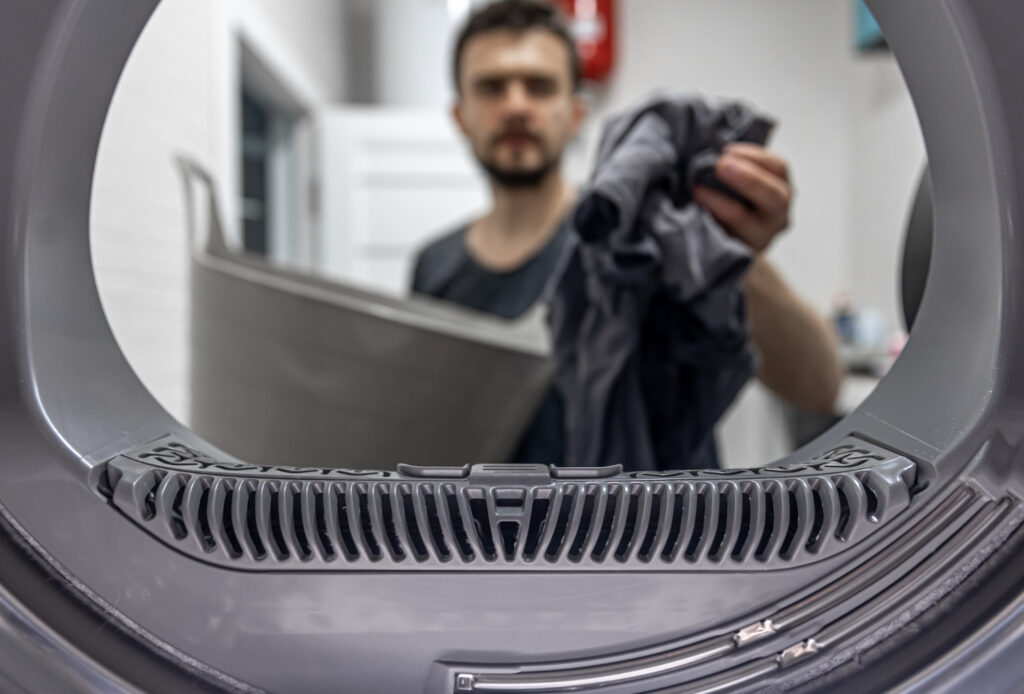
Many modern washers include a debris filter or coin trap designed to catch small objects. If this filter becomes clogged, your washer may stop draining entirely.
How to Clean the Washer Filter
- Locate the filter panel (typically at the lower front of the washer).
- Place a towel underneath to catch excess water.
- Slowly unscrew the filter cap.
- Remove debris and rinse thoroughly.
- Reinstall securely.
Cleaning the filter every 1–2 months helps prevent drainage issues.
Faulty Lid Switch or Door Lock
In top-load washers, a defective lid switch can prevent the washer from entering the spin and drain cycle. Front-load washers rely on a door lock mechanism for the same purpose.
If the washer thinks the lid is open, it will not drain or spin.
Signs of a Lid Switch Problem
- Washer fills but won’t spin
- No draining sound
- No clicking sound when lid closes
Testing and replacing a lid switch is often inexpensive and straightforward.
Drain Pump Belt Issues
Some older washers use a belt-driven drain pump. If the belt is broken or loose, the pump will not operate.
Symptoms of a Broken Belt
- Washer makes noise but doesn’t drain
- Burning smell
- Drum does not spin
Inspect the belt for wear or snapping. Replacing it can restore normal operation.
Control Board or Timer Malfunction
If all mechanical parts appear functional, the issue may lie in the control board or timer. Electronic washers rely on programmed cycles to activate the drain pump.
A damaged control board may fail to send power to the pump.
Warning Signs
- Washer stops randomly
- Multiple error codes
- Buttons not responding
In this case, professional diagnosis is usually recommended.
How to Drain a Washer Manually
If your washer is full of water and won’t drain, you may need to empty it manually before repairs.
Step-by-Step Manual Drain Method
- Unplug the washer.
- Turn off water supply valves.
- Use a shallow container to scoop out excess water.
- Locate the emergency drain hose (common in front-load washers).
- Slowly release water into a bucket.
Always keep towels nearby to prevent water damage.
Washer Not Draining but Spinning
If your washer spins but does not drain, the issue is often related to the drain pump or a partial hose blockage.
The spin cycle forces water outward, but if the pump cannot remove it efficiently, water may remain at the bottom of the drum.
Inspecting both the hose and pump should resolve the issue in most cases.
Washer Not Draining and Not Spinning
When both draining and spinning fail, possible causes include:
- Faulty lid switch
- Broken drive belt
- Motor coupling failure
- Control board issue
Start with the simplest components before assuming major failure.
Preventing Washer Drainage Problems
Preventive maintenance can significantly reduce the risk of your washer not draining in the future.
Simple Maintenance Tips
- Check pockets before washing
- Avoid overloading the machine
- Clean the filter monthly
- Use the correct detergent type
- Run a cleaning cycle with vinegar monthly
These small habits can extend the life of your washing machine and prevent expensive repairs.
When to Call a Professional
While many drainage issues are DIY-friendly, some situations require expert help.
Call a technician if:
- The drain pump motor is burned out
- Electrical components fail
- You see persistent error codes
- Water leaks from inside the machine
Professional repair may cost less than replacing the entire washer.
How Much Does It Cost to Fix a Washer Not Draining?
Repair costs vary depending on the problem:
- Drain hose replacement: Low cost
- Pump replacement: Moderate cost
- Control board repair: Higher cost
If repair costs exceed half the price of a new washer, replacement might be more economical.
Is It Safe to Use a Washer That Isn’t Draining?
Running a washer that is not draining properly can:
- Damage the motor
- Cause mold growth
- Lead to unpleasant odors
- Create water overflow risks
It is best to stop using the machine until the problem is resolved.
Final Thoughts on Washer Not Draining Issues
A washer not draining is a common household problem, but it is rarely permanent. In most cases, the issue stems from a clogged drain hose, blocked pump, or dirty filter. With proper troubleshooting and regular maintenance, you can fix the problem quickly and avoid future breakdowns.
By understanding how your washer’s drainage system works and following the step-by-step solutions in this guide, you can confidently restore your appliance to full working order.
If DIY repairs don’t solve the issue, contacting a qualified technician ensures safe and reliable service. Taking action early prevents further damage and keeps your laundry routine running smoothly.
When your washer stops draining, don’t panic. Diagnose the issue, apply the right fix, and get your appliance back to peak performance.
Also Read: Ductless Mini Split Installation Cost: Complete 2026 Pricing Guide for Smart Homeowners


One thought on “Washer Not Draining: Complete Troubleshooting Guide to Fix the Problem Fast”
Comments are closed.