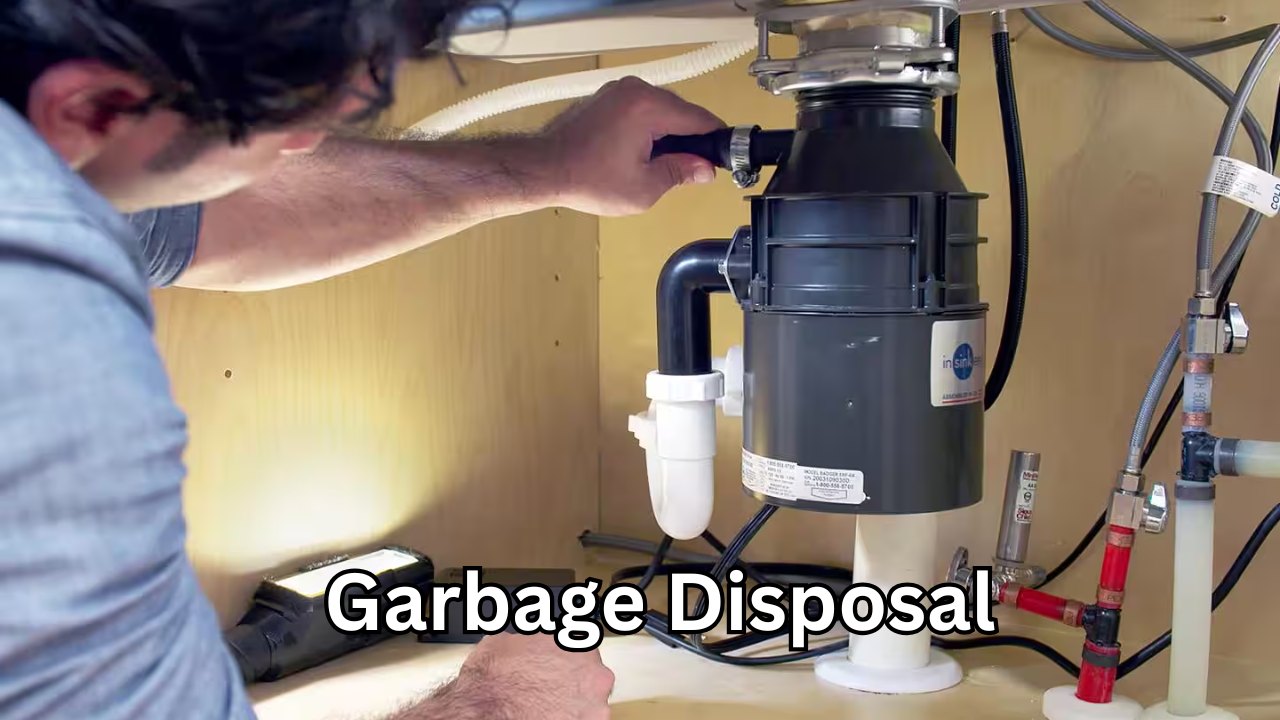
A garbage disposal is one of those kitchen upgrades that quietly improve daily life, reducing food waste, limiting odors, and making cleanup more efficient when used correctly. Homeowners often underestimate its impact until problems arise or a replacement becomes necessary. This guide explains how these systems work, how to choose wisely, and how to maintain long-term performance without costly mistakes.
Understanding How Kitchen Disposal Systems Work
Modern kitchen disposal units are designed to grind food scraps into small particles that safely pass through household plumbing. Unlike older models that relied on blades, most current systems use blunt impellers that spin at high speed. This design improves safety while efficiently breaking down organic waste.
Once activated, cold water carries the ground particles through the drain line. Proper operation depends on water flow, motor strength, and correct usage habits. When all three align, the unit supports a cleaner kitchen environment and reduces waste sent to landfills.
How a Garbage Disposal Improves Kitchen Efficiency
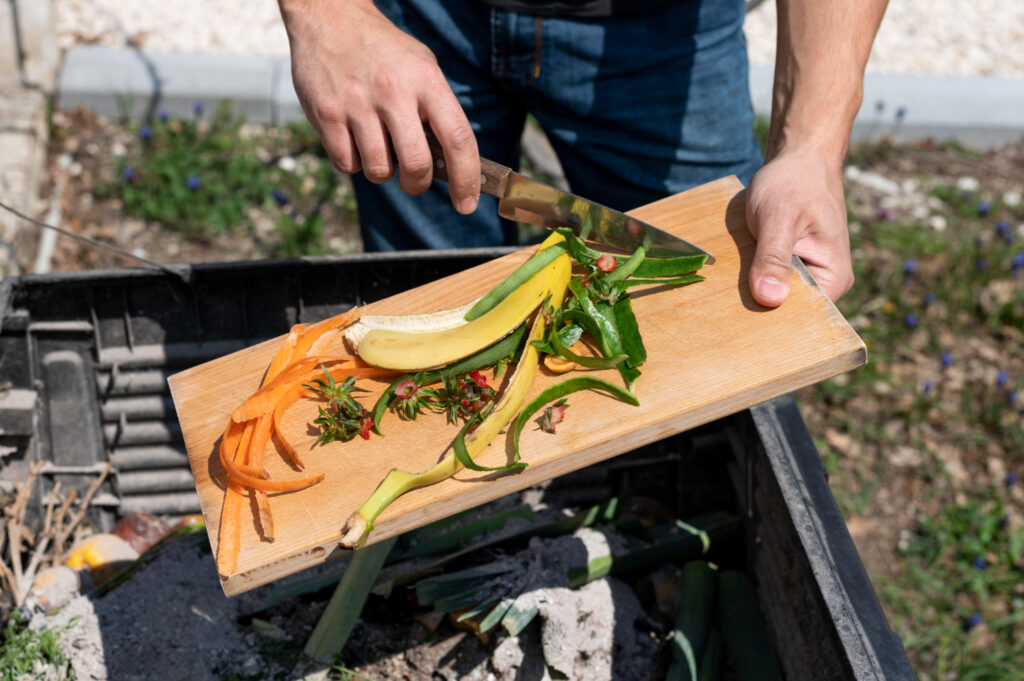
A garbage disposal streamlines kitchen tasks and boosts hygiene. Rather than scraping plates into the trash, food remnants are processed immediately, cutting mess and odors—a key benefit for busy homes.
Beyond convenience, these systems contribute to sustainability efforts. Diverting organic waste from trash bins reduces landfill volume and methane emissions. When paired with municipal wastewater treatment, food waste from the ground can be converted into renewable energy or composted biosolids, offering environmental benefits that extend beyond the home.
Choosing the Right Unit for Your Household
Choosing a disposal means balancing power, durability, and needs. Motor size, usually in horsepower, matters most. Smaller households can use compact models; large families need more power for frequent use.
Noise reduction is another important factor. Premium units often include insulation and vibration-dampening features that significantly reduce operational sound. Stainless steel grinding components also increase longevity, especially in homes where meals are prepared daily. Investing in quality upfront often prevents frequent repairs or early replacement.
Common Mistakes That Shorten System Lifespan
Even top units fail early if misused. Treating the unit like a trash can is common. Fibrous foods, grease, and starches can clog pipes or strain the motor.
To protect performance, avoid putting these materials down the drain:
- Cooking oils and fats that solidify in pipes
- Fibrous scraps like celery or corn husks
- Hard items such as bones or fruit pits
Using cold water during operation and allowing the system to run briefly after grinding helps clear debris and reduce buildup.
Installation Considerations and Safety
Good installation ensures safety and efficiency. DIY is possible, but professionals guarantee sound wiring, secure mounting, and leak-free plumbing. Poor installations can cause sinks to shake or be damaged over time.
Safety should always be a priority. Never place hands inside the unit, even when the power is off. If jams occur, most systems include a manual reset or hex key feature to safely free stuck components. Understanding these basics prevents injury and unnecessary service calls.
Maintenance Tips for Long-Term Reliability
Routine care keeps disposals running for years. Flush with cold water often and clean periodically to prevent odors and corrosion. Grinding small citrus peels occasionally freshens the interior without harsh chemicals.
Avoid commercial drain cleaners, which can damage internal components. Instead, mild solutions like baking soda and vinegar can be used safely when used sparingly. Consistent maintenance not only preserves performance but also extends the life of the motor and grinding chamber.

Signs It’s Time for Repair or Replacement
Wear is inevitable. Persistent humming, frequent clogs, or weak grinding signal repair needs. Minor issues may be fixable, but repeated trouble means replacement is likely a better value.
Older units may not offer modern safety features or energy efficiencies. Upgrading to a newer disposal can reduce noise, improve grinding power, and enhance kitchen functionality. Comparing repair costs to the advantages of a new model helps homeowners make well-informed choices.
Environmental and Plumbing Impact
Used properly, disposals work well with plumbing and municipal systems. Plumbing issues usually stem from misuse, not design. Good operation eases pipe strain and supports wastewater processing.
From an environmental standpoint, sending organic waste through water treatment can have a different impact than landfill disposal. In many regions, treated food waste may be used in renewable energy production or turned into byproducts such as biosolids, but this depends on specific municipal practices. Responsible use is encouraged when these outcomes are achievable, reinforcing the role of disposals in reducing reliance on landfills when managed appropriately.
Final Takeaway for Homeowners
A garbage disposal is more than a convenience—it’s a practical tool that supports cleanliness, efficiency, and responsible waste management. Choosing the right model, using it correctly, and maintaining it consistently are the keys to long-term satisfaction. Before installation, assess your household’s cooking habits and research local guidelines for food waste disposal. After installation, develop regular maintenance routines, such as flushing with cold water, to extend the unit’s life. If signs of wear appear, consult professionals promptly to avoid bigger issues. With informed decisions and proper care, homeowners can enjoy reliable performance while reducing kitchen waste and environmental impact for years to come.
One thought on “Garbage Disposal: Essential Guide to Smarter, Safer Kitchen Performance”