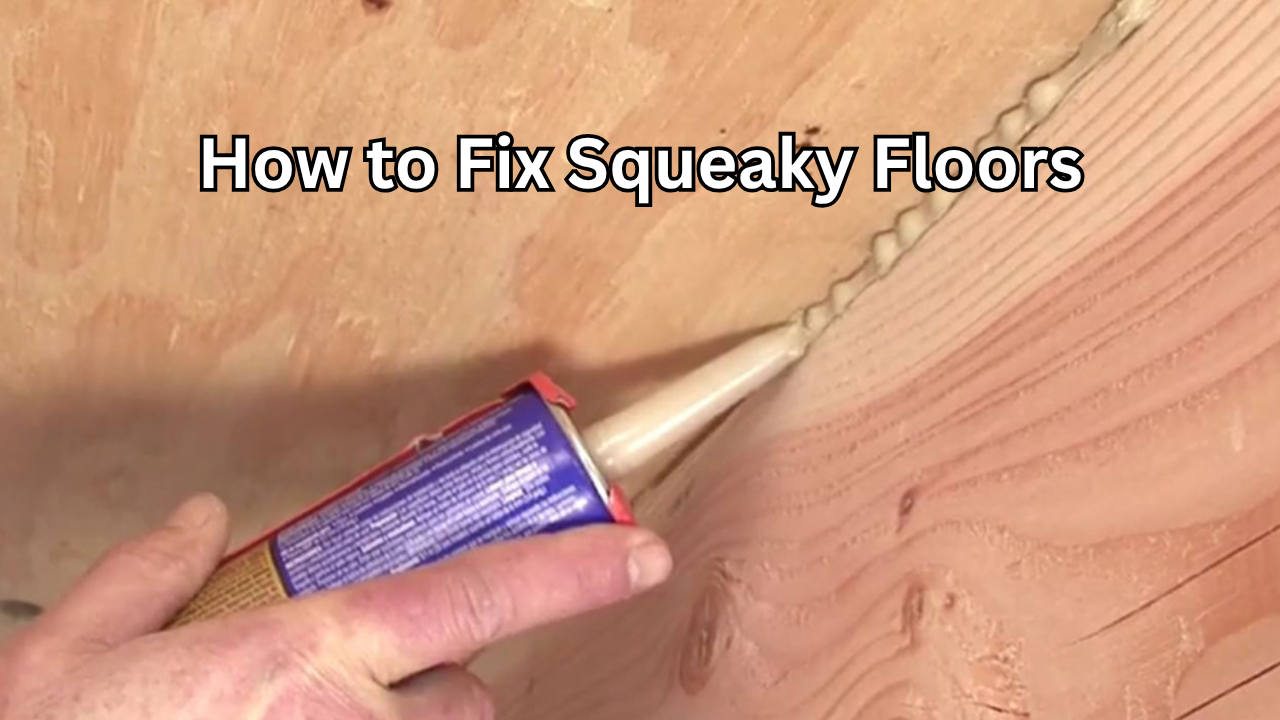
How to Fix Squeaky Floors – Squeaky floors are one of the most common and frustrating issues in homes. Whether you live in an older house or a newer one, those annoying creaks can quickly become irritating, especially at night or in quiet environments. The good news is that fixing squeaky floors is often easier than you think. With the right approach, tools, and techniques, you can eliminate the noise and restore peace to your home.
In this comprehensive guide, you’ll learn what causes squeaky floors, how to identify the exact problem, and multiple proven methods to fix squeaky floors effectively. These solutions work for hardwood, laminate, carpeted floors, and even stairs.
What Causes Squeaky Floors
Before you start fixing squeaky floors, it’s important to understand why they happen. In most cases, squeaks occur due to movement between floor components. When parts of the floor rub against each other, friction produces the sound.
Common causes include loose subfloor panels, gaps between floorboards, nails that have loosened over time, seasonal humidity changes, and shifting floor joists. Over time, wood expands and contracts due to moisture and temperature changes. This movement creates tiny gaps, which lead to squeaking sounds whenever someone walks over the area.
Another frequent cause is improper installation. If the subfloor wasn’t secured properly to the joists, it can flex under pressure, resulting in noise. Even carpeted floors can squeak if the subfloor beneath is loose.
How to Locate the Source of the Squeak
The first step in fixing squeaky floors is identifying the exact location of the noise. Walk slowly across the floor and listen carefully. Pay attention to spots where the sound is loudest.
You can also have someone walk across the floor while you observe from below, if you have access to a basement or crawl space. Look for movement in the subfloor when pressure is applied. Mark the squeaky areas using chalk or masking tape so you can easily find them later.
It’s important to locate the floor joists as well. These structural beams support the floor and provide the best place to secure loose boards. Stud finders designed for floors can help, or you can look for nail patterns that indicate joist positions.
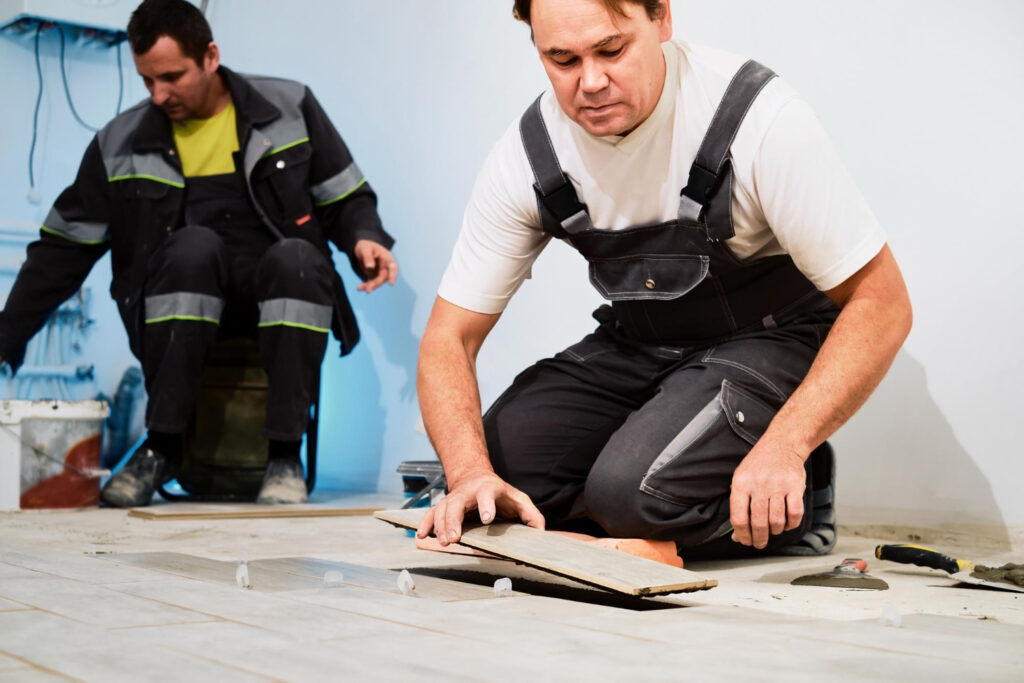
Fixing Squeaky Floors From Above
One of the easiest ways to fix squeaky floors is working from above. This method is ideal when you don’t have access underneath the floor.
Start by using screws to secure loose boards. Screws hold better than nails and prevent future movement. Drill pilot holes into the squeaky area and drive screws into the joist below. Make sure you choose screws long enough to go through the floor and subfloor but not so long that they damage wiring or pipes.
If you’re working with hardwood floors, use trim-head screws. These are smaller and easier to conceal. Once installed, you can fill the hole with wood filler and sand it smooth to match the surrounding floor.
Another method involves applying powdered graphite or talcum powder between floorboards. Sprinkle it into the gaps and gently sweep it in. This reduces friction and can eliminate minor squeaks.
Fixing Squeaky Floors Under Carpet
Carpeted floors can also develop squeaks, but they require a slightly different approach. First, locate the squeaky spot by pressing down firmly. Once identified, you can use special breakaway screws designed for carpeted floors.
These screws go through the carpet without damaging it. After installation, the screw head snaps off below the carpet surface, leaving no visible mark. This is one of the cleanest and most effective solutions for squeaky floors under carpet.
Make sure to use a stud finder to locate joists before installing screws. Securing the subfloor directly to the joist will give the best long-term results.
Fixing Squeaky Floors From Below
If you have access to the underside of the floor, this method is often more effective and less visible. Go to the basement or crawl space and look for the squeaky area while someone walks above.
Once you find the problem spot, you can use wood shims to fill gaps between the joist and subfloor. Apply construction adhesive to the shim and gently tap it into place. Avoid forcing it too tightly, as this can create more problems.
Another technique is installing a wood cleat along the joist. Cut a small piece of wood and screw it to the joist so it supports the subfloor. This strengthens the area and prevents movement.
Construction adhesive is also highly effective. Apply it along the seam where the joist meets the subfloor. As the adhesive dries, it bonds the components and reduces squeaking.
Using Construction Adhesive to Stop Floor Noise
Construction adhesive is one of the simplest and most powerful fixes for squeaky floors. It works by bonding loose components together and eliminating movement.
Apply a bead of adhesive along the joists from below. Focus on areas where the subfloor appears loose. Once the adhesive cures, it creates a solid connection that reduces friction.
This method works especially well in combination with screws or shims. The adhesive adds extra stability and prevents future squeaks from developing.
Fixing Squeaky Hardwood Floors
Hardwood floors are beautiful but more prone to squeaking due to wood movement. To fix squeaky hardwood floors, start by securing loose boards with finish nails or trim-head screws.
Drive the nail at a slight angle into the joist below. This technique, known as toenailing, helps pull the board tightly into place. Be sure to countersink the nail and fill the hole with matching wood filler.
You can also use wood glue in narrow gaps. Apply a small amount, wipe away excess, and place weight on the area until it dries. This helps bond the boards and reduce noise.

Fixing Squeaky Floorboards Without Screws
If you prefer not to use screws, there are alternative methods available. One option is using wood glue between loose boards. Another is inserting thin wood strips into gaps.
You can also apply a lubricant such as powdered graphite. This works best for minor squeaks caused by friction rather than structural looseness.
These solutions are less invasive and ideal for delicate flooring or finished surfaces.
How to Fix Squeaky Stairs
Squeaky stairs are another common problem. They often occur where the tread meets the riser. To fix them, apply wood glue into the joint and secure with finish nails.
From below, you can install small brackets to reinforce the connection. Another effective method is adding triangular wood blocks underneath each step. Glue and screw them into place for added stability.
These techniques eliminate movement and stop the squeaking noise.
Preventing Future Floor Squeaks
Once you’ve fixed the squeaky areas, it’s important to prevent new ones from forming. Maintain consistent humidity levels in your home to reduce wood expansion and contraction.
Use a humidifier during dry months and ensure proper ventilation in crawl spaces. When installing new flooring, always secure subfloor panels properly and use construction adhesive.
Regular inspections can also help. If you notice early signs of squeaking, address them quickly before the problem worsens.
Tools You May Need
Fixing squeaky floors usually requires only basic tools. A drill, screws, stud finder, hammer, wood filler, and construction adhesive are commonly used.
For carpeted floors, specialized squeak repair kits are helpful. These kits include breakaway screws designed specifically for this purpose.
Having the right tools makes the repair faster and more effective.
When to Call a Professional
Most squeaky floors can be fixed with DIY methods. However, if the problem is widespread or caused by structural issues, professional help may be necessary.
Extensive movement in joists, water damage, or sagging floors may indicate deeper problems. In such cases, a contractor can assess and repair the underlying structure safely.
Hiring a professional ensures long-term stability and prevents further damage.
Final Thoughts
Learning how to fix squeaky floors can save you time, money, and frustration. Whether the noise comes from hardwood, carpet, or stairs, there are simple solutions that work. From tightening loose boards to using construction adhesive and shims, these methods address the root cause of the squeak.
By identifying the source and applying the right technique, you can enjoy quiet, solid floors once again. Regular maintenance and humidity control will also help prevent future issues.
With patience and the right approach, squeaky floors don’t have to be a permanent annoyance. Fix them today and restore comfort and peace to your home.
Also Read: Garage Conversion Ideas: Transform Your Space into a Functional Living Area



One thought on “How to Fix Squeaky Floors: A Complete Step-by-Step Guide for Quiet and Solid Flooring”
Comments are closed.