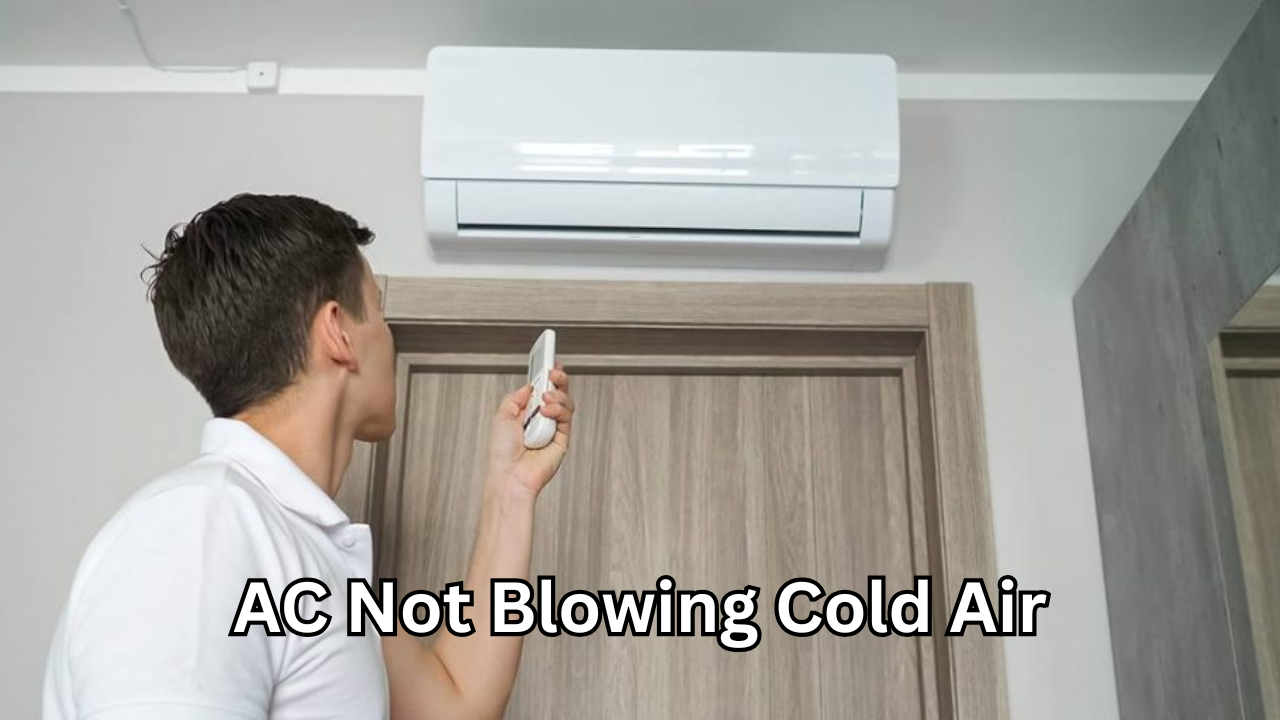
AC Not Blowing Cold Air – When your AC is not blowing cold air, it becomes impossible to ignore, and comfort quickly turns into frustration. Few household problems feel as urgent as an air conditioner that runs but fails to cool, especially during hot weather. This guide explains why cooling systems lose performance, how to identify warning signs early, and what practical steps homeowners can take to restore reliable comfort without risking long-term damage or unnecessary expenses.
Why an Air Conditioner Can Run but Still Feel Warm
An air conditioning system operates with a balance of airflow, refrigeration (the removal of heat through a refrigerant), and electrical control. When any of these elements is not functioning as intended, cooling efficiency reduces quickly. Many homeowners assume the unit is simply “broken,” but the reality is often more nuanced.
Air conditioners are designed to remove heat from indoor air, not simply blow cold air. If heat exchange is interrupted, warm or slightly cool air may still circulate. Issues like poor airflow, incorrect thermostat settings, or restricted outdoor components can all disrupt the cooling cycle without stopping the system entirely.
Understanding this distinction helps prevent misdiagnosis and avoid rushing into expensive repairs when simpler solutions may exist.

Common Warning Signs You Should Not Ignore
Before an AC stops blowing cold air, there are usually clear warning signs. Paying attention to these early indicators can save time, money, and stress.
You may notice longer run times with little temperature change, uneven cooling between rooms, or unusually high energy bills. Some systems begin to short-cycle, turning on and off frequently without reaching the desired temperature. Others may blow air that feels neutral rather than cool.
These symptoms suggest declining efficiency rather than total breakdown, which is often easier and less costly to fix.
AC Not Blowing Cold Air: Mechanical and System-Level Causes
Several internal issues can explain why an AC is not blowing cold air even though it appears to be operating normally. One of the most common is restricted airflow. Dirty air filters, blocked vents, or failing blower motors limit the amount of air passing over the cooling coils.
Low refrigerant levels are another frequent cause. Refrigerant does not get “used up,” so low levels typically indicate a leak. Without the correct charge, the system cannot effectively absorb and release heat.
Electrical or sensor-related problems can also interfere with cooling. Parts like capacitors (which help start motors), worn contactors (which control electrical flow), or misreading thermostats may prevent key components from working at the right time, reducing overall performance.
How Outdoor Conditions and Maintenance Affect Cooling
Environmental factors play a larger role than many homeowners realize. An outdoor condenser unit exposed to direct sunlight, debris, or restricted airflow struggles to release heat. When heat cannot escape, indoor cooling suffers.
Regular maintenance is critical to preventing an AC from failing to blow cold air. Over time, dirt buildup on coils acts as insulation, trapping heat instead of dispersing it. Seasonal inspections help ensure that both indoor and outdoor components remain clean, aligned, and efficient.
Even something as simple as overgrown landscaping around the condenser can significantly reduce cooling capacity.
When DIY Fixes Are Reasonable and When They Are Not
Some basic checks are safe and worthwhile for homeowners. Verifying thermostat settings, replacing air filters, and ensuring vents are open and unobstructed can restore cooling in certain cases. Power cycling the system may also reset minor control issues.
However, once the problem involves refrigerant, electrical components, or internal mechanical parts, professional service becomes essential. Attempting complex repairs without proper training can worsen damage and void warranties.
If your AC is not blowing cold air after basic troubleshooting persists, it is a strong signal that expert diagnosis is needed.
Energy Efficiency and Long-Term Performance Risks
Running a system that is not cooling properly puts extra strain on nearly every component. Compressors, in particular, suffer when forced to operate under abnormal conditions. Over time, this stress can shorten system lifespan and lead to complete failure.
An AC not blowing cold air also drives up energy consumption. The system runs longer to reach a temperature it may never achieve, increasing utility costs without improving comfort. Addressing cooling issues promptly protects both efficiency and long-term reliability.
Ignoring the problem rarely makes it cheaper or easier to fix later.
How Professional Technicians Diagnose Cooling Problems
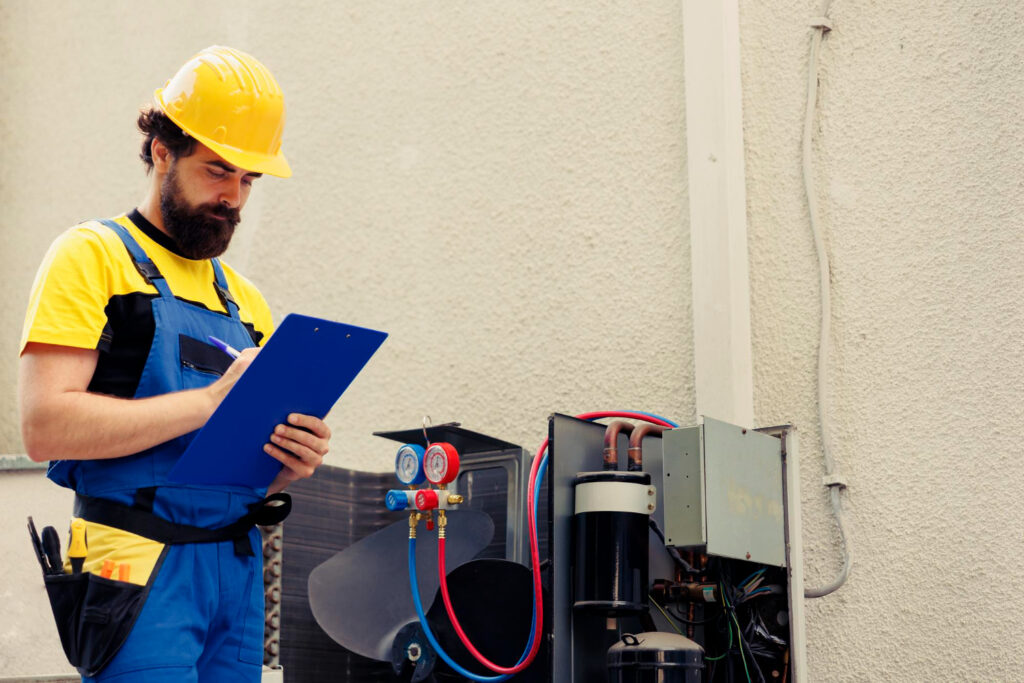
Licensed HVAC technicians use a systematic approach to find out why an AC is not blowing cold air. They measure airflow (how easily air moves through the system), refrigerant pressure (the force of the cooling fluid), electrical output (how much power is being used), and temperature differentials (temperature changes between different parts). This data-driven process ensures the real cause is addressed rather than masked.
Professional inspections also uncover secondary issues that may not yet show symptoms. Catching these early prevents repeat breakdowns and helps maintain consistent performance through peak seasons.
Choosing qualified service providers strengthens trust and ensures repairs meet safety and regulatory standards.
Preventive Steps to Avoid Cooling Failures
Preventing an AC from not blowing cold air is far easier than repairing one. Consistent maintenance is the foundation of dependable cooling.
Helpful preventive practices include:
- Replace air filters on schedule to maintain airflow.
- Keeping outdoor units clear of debris and shade-restricting obstacles
- Scheduling annual professional inspections before heavy-use seasons
These steps reduce strain on components and help systems operate as designed, even during extreme temperatures.
Making Smart Decisions About Repair or Replacement
Sometimes, an AC not blowing cold air signals a deeper age-related decline. Older systems may require frequent repairs that no longer make financial sense. In these cases, replacement can offer better efficiency, improved comfort, and lower operating costs.
A trusted technician can provide clear guidance based on system age, repair history, and current performance. Making informed decisions avoids emotional or rushed choices and ensures long-term value.
Conclusion: Restore Comfort with Informed Action
Dealing with an AC that’s not blowing cold air is frustrating, but it doesn’t have to be overwhelming. Understanding how cooling systems work, recognizing early warning signs, and knowing when to seek professional help empower homeowners to act confidently.
Act now to restore comfort—schedule maintenance, consult a technician, and address issues promptly to control costs, preserve comfort, and maintain efficiency through the hottest months.
Also Read: Garbage Disposal: Essential Guide to Smarter, Safer Kitchen Performance
One thought on “AC Not Blowing Cold Air: The Frustrating Truth Every Homeowner Must Know”