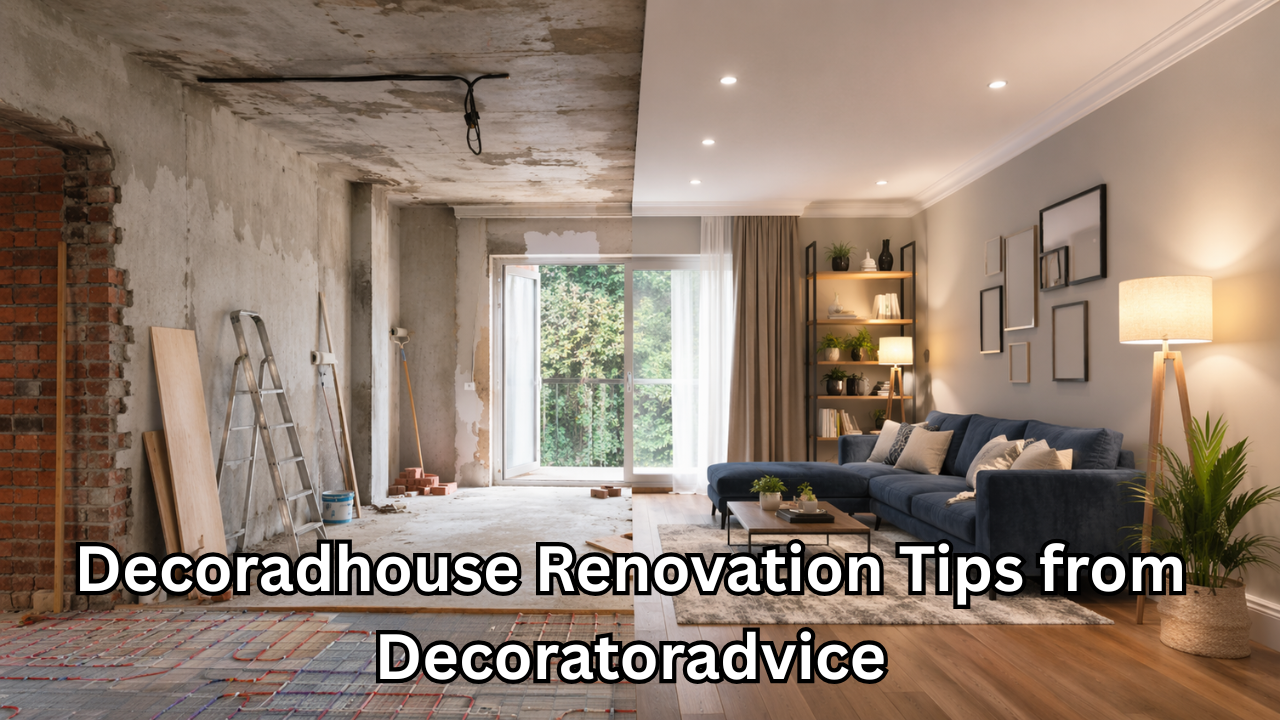
Decoradhouse Renovation Tips from Decoratoradvice – Home renovation is more than just updating walls or replacing furniture. It’s about improving comfort, boosting property value, and creating a space that reflects your personality. When homeowners search for reliable inspiration, they often look for practical yet stylish solutions. That’s where decoradhouse renovation tips from decoratoradvice become incredibly valuable. These ideas focus on functionality, aesthetics, and budget-friendly planning, helping homeowners achieve impressive results without unnecessary stress.
Whether you are renovating a small apartment, upgrading your kitchen, or redesigning your entire house, understanding the right approach can make all the difference. This guide explores proven strategies, smart planning techniques, and creative ideas that will help you transform your home effectively.
Understanding the Importance of Strategic Renovation Planning
Before starting any renovation, planning is essential. Many homeowners jump into projects without clear goals, leading to overspending and inconsistent results. A structured renovation plan helps define priorities, manage costs, and maintain design consistency throughout the home.
Start by evaluating your current space. Identify areas that need improvement, such as outdated kitchens, poor lighting, or inefficient layouts. Once you understand your needs, set realistic goals. Decide whether your focus is modern aesthetics, better storage, energy efficiency, or all of these combined.
Budget planning is equally important. Allocate funds for materials, labor, and unexpected costs. Renovations often reveal hidden issues, such as plumbing or electrical problems. Having a contingency budget prevents project delays and financial stress.
Choosing the Right Design Style for Your Home
Selecting a consistent design style ensures your home looks cohesive and visually appealing. Popular styles include modern, minimalist, traditional, Scandinavian, and contemporary. Each style offers unique characteristics, so choose one that complements your lifestyle and space.
Modern designs focus on clean lines, neutral colors, and functional layouts. Minimalist interiors emphasize simplicity and clutter-free spaces. Traditional styles include classic furniture and warm tones, while Scandinavian designs combine simplicity with comfort using natural materials.
Mixing styles can work, but it requires careful balance. Choose one dominant theme and add subtle elements from others to avoid visual confusion. Consistency across rooms creates a harmonious flow throughout your home.

Maximizing Space with Smart Layout Improvements
One of the most effective renovation strategies is improving your layout. Many homes feel cramped due to poor space utilization. Removing unnecessary walls can create open-plan living areas that enhance natural light and airflow.
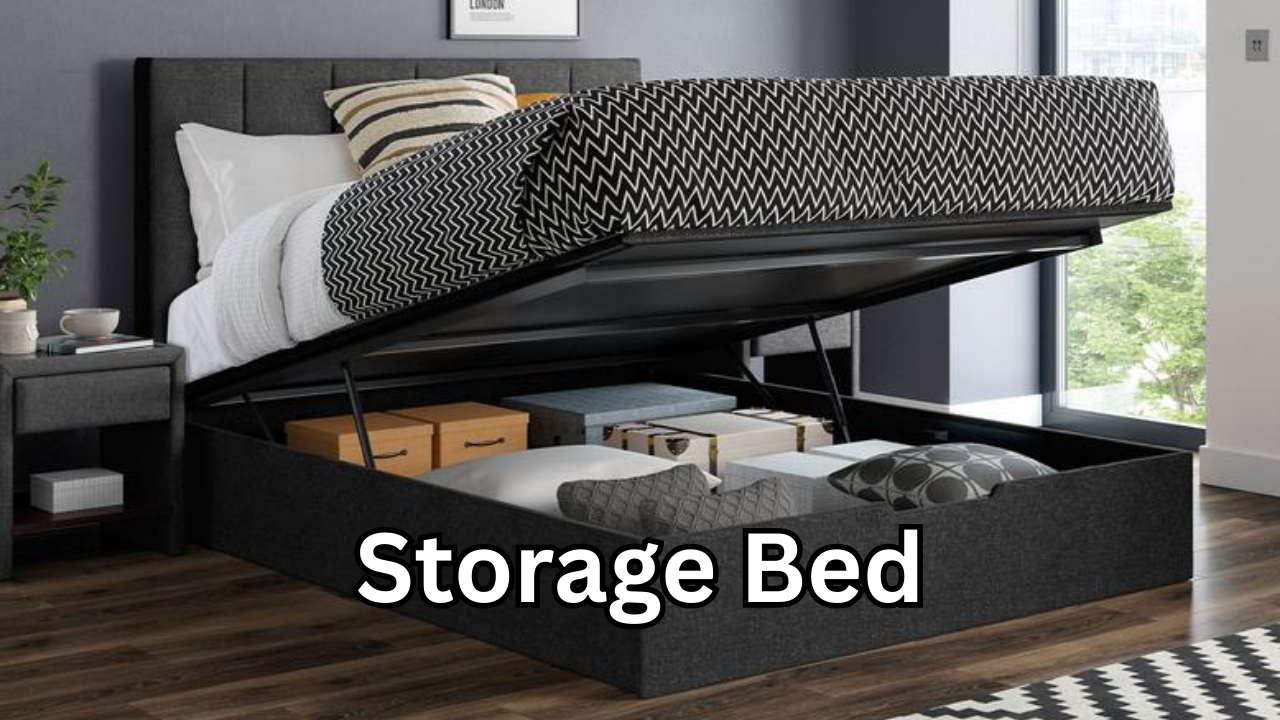
Consider multifunctional furniture, such as storage beds, foldable tables, and modular sofas. These solutions are especially useful in smaller homes. Built-in shelves and wall-mounted cabinets also help reduce clutter while adding style.
Kitchen layouts benefit greatly from optimization. Arrange appliances in a triangular layout between the sink, stove, and refrigerator for better efficiency. In living rooms, avoid overcrowding by selecting fewer but more functional pieces.
Upgrading Lighting for a Modern Look
Lighting plays a crucial role in home renovation. It not only improves visibility but also enhances mood and aesthetics. A combination of ambient, task, and accent lighting creates depth and balance.
Replace outdated fixtures with modern LED lights. Pendant lights above dining tables, recessed lighting in ceilings, and wall sconces in hallways add sophistication. Natural light should also be maximized by using lighter curtains or larger windows where possible.
Layered lighting allows you to adjust brightness according to different activities. For example, brighter lights in kitchens improve functionality, while softer lighting in bedrooms creates relaxation.
Selecting High-Quality Materials for Long-Term Value
Choosing durable materials ensures your renovation lasts for years. While cheaper options may seem appealing initially, they often require frequent replacement, increasing long-term costs.
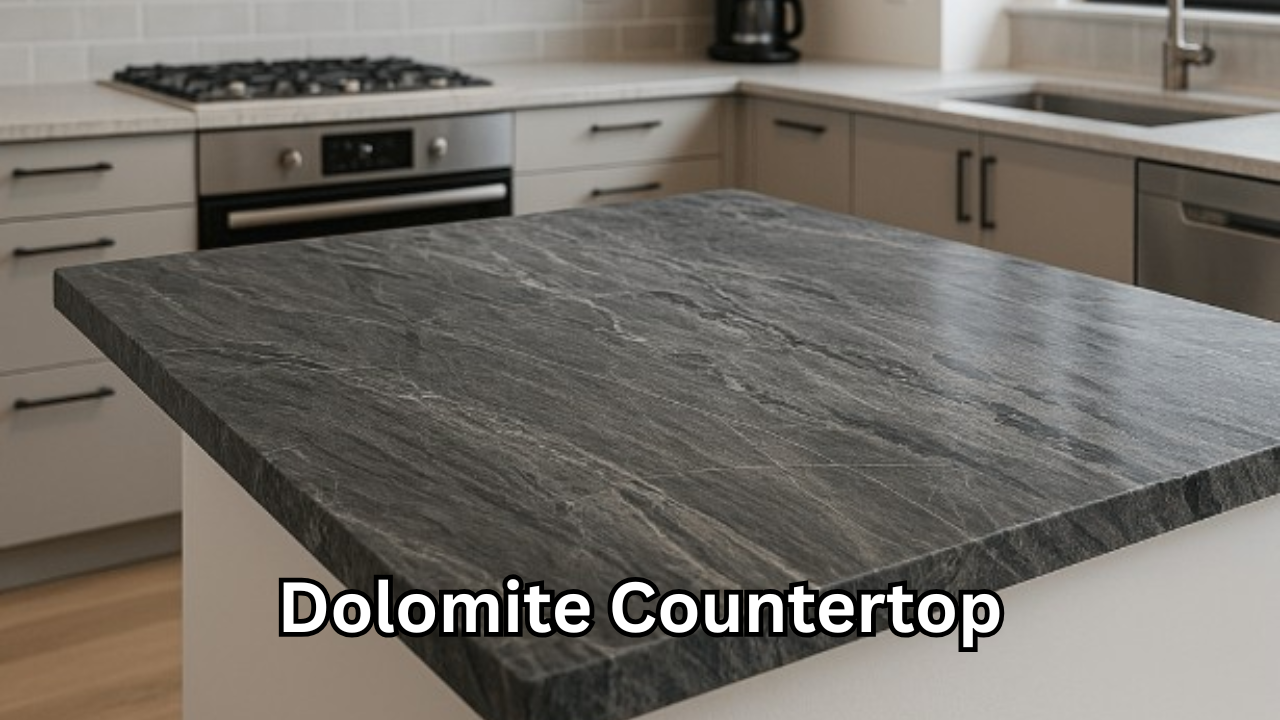
For flooring, consider hardwood, laminate, or high-quality tiles. These options offer durability and aesthetic appeal. In kitchens, quartz or granite countertops provide both elegance and resilience. Bathroom renovations benefit from moisture-resistant materials to prevent damage.
Paint selection is another important factor. High-quality paint improves finish and longevity. Neutral colors remain timeless and make spaces appear larger and brighter.
Enhancing Storage Solutions Throughout the Home
Storage is often overlooked during renovation, yet it significantly impacts functionality. Smart storage solutions help maintain a clean and organized home.
Use vertical space by installing tall cabinets or shelves. Under-stair storage is perfect for small homes. In bedrooms, built-in wardrobes maximize available space while maintaining a sleek appearance.
Kitchen storage can be improved with pull-out drawers, corner shelves, and hanging racks. Bathroom renovations benefit from wall-mounted cabinets and hidden storage compartments.
Renovating Kitchens for Function and Style
The kitchen is one of the most important areas to renovate. A well-designed kitchen increases property value and improves daily convenience. Focus on layout, storage, and modern appliances.
Open shelving creates a spacious feel, while closed cabinets maintain a clean look. Choose durable countertops and easy-to-clean backsplashes. Neutral color palettes with subtle accents create timeless appeal.
Upgrading appliances to energy-efficient models reduces electricity costs and enhances functionality. Consider installing under-cabinet lighting for improved visibility during cooking.
Transforming Bathrooms into Relaxing Spaces
Bathroom renovations should prioritize comfort and efficiency. Modern bathrooms focus on clean designs, quality fixtures, and efficient layouts.
Replace outdated fixtures with sleek designs. Walk-in showers, floating vanities, and frameless glass partitions create a contemporary look. Proper ventilation prevents moisture buildup and maintains hygiene.
Use light colors to make small bathrooms appear larger. Mirrors also enhance the sense of space and reflect natural light effectively.
Improving Curb Appeal with Exterior Renovation
Exterior upgrades are just as important as interior improvements. First impressions matter, and enhancing curb appeal increases property value.
Repainting the exterior, upgrading doors, and improving landscaping can dramatically change your home’s appearance. Adding outdoor lighting highlights architectural features and improves security.
Consider modern fencing, decorative pathways, and simple garden elements. Even small upgrades like new house numbers or mailbox designs can make a big difference.

Energy Efficiency and Sustainable Renovation Ideas
Modern homeowners prioritize energy efficiency. Sustainable renovations reduce utility bills and support environmentally friendly living.
Install energy-efficient windows to improve insulation. LED lighting consumes less electricity and lasts longer. Proper insulation in walls and roofs maintains indoor temperature.
Solar panels are also becoming popular for reducing energy costs. Water-saving fixtures in bathrooms and kitchens help conserve resources without compromising functionality.
Budget-Friendly Renovation Tips That Deliver Results
Renovation doesn’t always require large budgets. Small upgrades can create significant impact when done strategically.
Repainting walls is one of the most cost-effective improvements. Updating cabinet handles, replacing light fixtures, and adding decorative elements also enhance aesthetics.
DIY projects such as wall art, shelving, and simple decor updates help save money. Focus on high-impact areas like living rooms and kitchens for maximum results.
Avoiding Common Renovation Mistakes
Many homeowners make mistakes that lead to delays and extra costs. Avoid starting without a clear plan. Changing designs mid-project often increases expenses.
Hiring unqualified contractors can result in poor workmanship. Always research and verify experience. Ignoring lighting and storage planning can reduce functionality.
Overcrowding spaces with furniture is another common mistake. Maintain balance and prioritize usability over excessive decoration.
Final Thoughts on Decoradhouse Renovation Tips from Decoratoradvice
Implementing decoradhouse renovation tips from decoratoradvice allows homeowners to achieve stylish and practical transformations. From planning and layout improvements to material selection and energy efficiency, each step plays a vital role in successful renovation.
A well-renovated home enhances comfort, increases property value, and reflects your personal style. By focusing on smart design choices, quality materials, and functional upgrades, you can create a beautiful space that meets your needs for years to come.
Start with clear goals, follow a structured plan, and prioritize improvements that deliver long-term value. With the right approach, your renovation project can turn into a rewarding experience that transforms your house into the perfect home.
One thought on “Decoradhouse Renovation Tips from Decoratoradvice: The Ultimate Guide to Smart, Stylish Home Transformation”
Comments are closed.