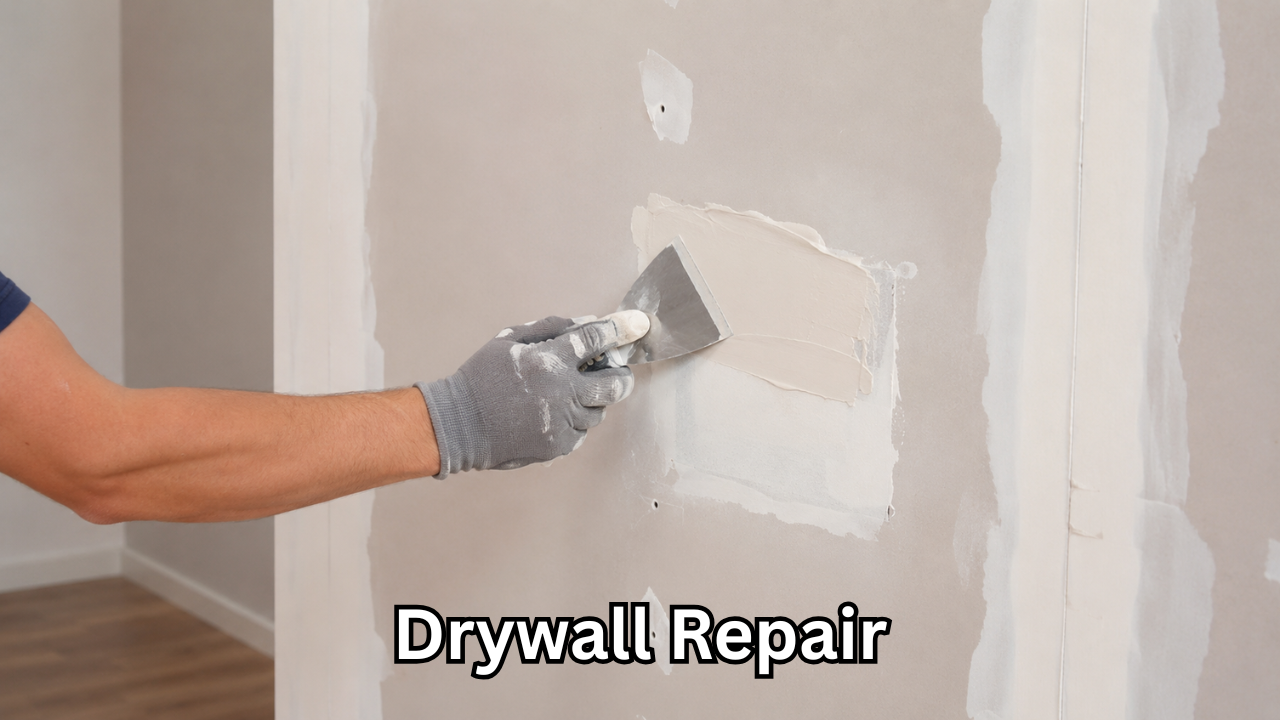
Drywall Repair – Drywall is one of the most common building materials used in modern homes and commercial properties. It creates smooth, attractive walls and ceilings while providing a durable surface for paint and decoration. However, drywall is not immune to damage. Everyday wear and tear, accidental impacts, moisture problems, and structural movement can leave walls looking cracked, dented, or damaged.
Drywall repair is an essential maintenance task that helps restore the appearance and integrity of interior walls. Whether you are dealing with small nail holes, large dents, cracks, or water-damaged sections, understanding drywall repair can save time, money, and frustration.
This comprehensive guide covers everything you need to know about drywall repair, including common types of damage, repair techniques, benefits, and professional tips for achieving a flawless finish.
What Is Drywall Repair?
Drywall repair is the process of restoring damaged drywall surfaces to their original condition. The repair may involve patching holes, filling cracks, replacing damaged sections, sanding imperfections, and repainting affected areas.
The goal of drywall repair is to create a smooth, seamless surface that blends perfectly with the surrounding wall. Proper repair not only improves aesthetics but also helps maintain the structural integrity of interior spaces.
Common Causes of Drywall Damage
Understanding what causes drywall damage can help homeowners prevent future issues and identify problems early.
One of the most common causes is accidental impact. Furniture, doors, children’s toys, and everyday activities can leave dents, scratches, or holes in drywall surfaces.
Another frequent cause is building settlement. As homes naturally shift over time, drywall joints may develop cracks, especially around windows, doors, and ceiling corners.
Moisture damage is another significant issue. Leaking roofs, plumbing problems, and excessive humidity can weaken drywall, causing staining, bubbling, or crumbling.
Improper installation can also lead to drywall problems. Poor taping, insufficient fastening, or low-quality materials often result in visible seams and cracks.
Types of Drywall Damage
Different types of drywall damage require different repair approaches.
Small Nail and Screw Holes
These are among the easiest drywall issues to fix. Nail holes often occur when pictures, shelves, or decorations are removed from walls.
Minor Dents and Dings
Minor dents are commonly caused by everyday household activity. Although small, they can affect the appearance of painted walls.
Cracks
Cracks can develop due to structural settling, temperature fluctuations, or poor installation. They often appear near joints and corners.
Medium-Sized Holes
Medium holes are usually caused by door handles, furniture impacts, or accidental damage. These holes require patching materials and proper finishing.
Large Holes
Large drywall holes often result from significant impacts or renovation work. Repairing these areas may involve replacing an entire drywall section.
Water Damage
Water-damaged drywall can become soft, discolored, or moldy. In many cases, damaged sections must be removed and replaced to prevent further problems.

Why Drywall Repair Is Important
Many homeowners postpone drywall repair because the damage seems minor. However, addressing problems early offers several advantages.
First, drywall repair improves the overall appearance of a room. Smooth, damage-free walls create a cleaner and more professional look.
Second, repairs help preserve property value. Potential buyers often notice wall damage during inspections and showings.
Third, repairing drywall prevents minor issues from becoming major problems. Small cracks can expand, and moisture damage can spread if left untreated.
Finally, drywall repair contributes to a healthier indoor environment by reducing the risk of mold growth and structural deterioration.
Essential Tools for Drywall Repair
Successful drywall repair often requires the right tools and materials.
Common drywall repair tools include:
- Putty knife
- Drywall knife
- Sanding sponge
- Utility knife
- Drywall saw
- Joint compound
- Drywall tape
- Sandpaper
- Drywall patch kits
- Paint and primer
Using quality materials can significantly improve the final result and durability of the repair.
How to Repair Small Drywall Holes
Small holes caused by nails or screws are relatively simple to repair.
Begin by cleaning the damaged area and removing loose debris. Apply a small amount of spackling compound or joint compound using a putty knife. Smooth the surface and allow it to dry completely.
Once dry, lightly sand the area until smooth. Apply primer and matching paint to blend the repair with the surrounding wall.
This process usually takes only a short time and produces professional-looking results when done carefully.
Repairing Drywall Cracks
Drywall cracks require special attention because simply covering them may not prevent them from returning.
Start by widening the crack slightly with a utility knife to remove loose material. Apply drywall tape over the crack and cover it with joint compound.
Allow the compound to dry before sanding and applying additional layers as needed. Feather the edges to create a seamless transition between the repair and surrounding wall.
After final sanding, prime and paint the repaired area for a smooth finish.
Fixing Medium-Sized Holes
Medium-sized holes typically require a drywall patch.
Cut away any loose drywall around the damaged area. Place a self-adhesive mesh patch over the hole and apply joint compound evenly across the patch.
Allow the compound to dry completely before sanding. Additional coats may be necessary to achieve a perfectly smooth surface.
Once finished, apply primer and paint to match the existing wall color.
Repairing Large Drywall Holes
Large holes often require replacing a section of drywall rather than simply patching it.
The damaged area is cut into a clean square or rectangle. A new drywall piece is measured and cut to fit the opening.
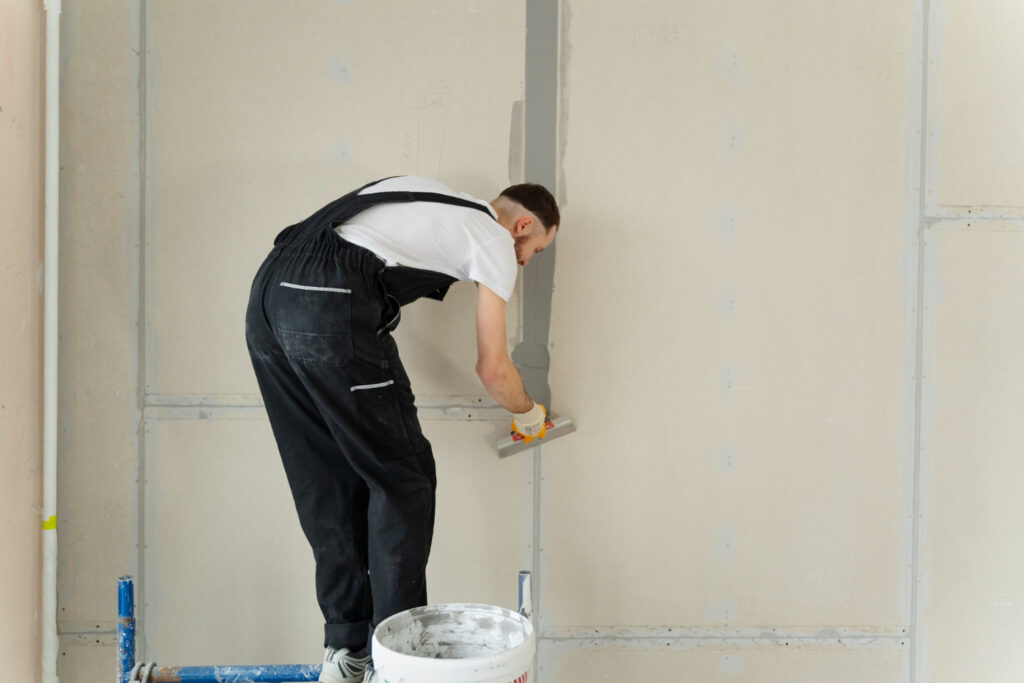
Support backing is installed behind the hole to secure the new drywall piece. Joint tape and compound are applied over the seams to blend the repair into the surrounding wall.
Multiple coats of compound, sanding, priming, and painting are typically needed to achieve a professional appearance.
Addressing Water-Damaged Drywall
Water damage should never be ignored because it can lead to mold growth and structural issues.
Before repairing drywall, identify and eliminate the source of moisture. Any wet or compromised drywall should be removed completely.
The affected area should be allowed to dry thoroughly before new drywall is installed. Once replacement drywall is in place, finish the repair using standard taping, mudding, sanding, and painting techniques.
Proper moisture control is essential for preventing future damage.
DIY vs Professional Drywall Repair
Many small drywall repairs can be completed by homeowners with basic tools and patience.
DIY repair is often suitable for:
- Nail holes
- Small dents
- Minor cracks
- Small patches
However, professional drywall repair may be the better option for:
- Large holes
- Extensive water damage
- Ceiling repairs
- Multiple damaged areas
- Textured wall matching
Professional contractors have the experience, equipment, and expertise needed to achieve flawless results while saving time and reducing frustration.
Common Drywall Repair Mistakes
Avoiding common mistakes can greatly improve repair quality.
One common error is applying too much joint compound at once. Thick layers often crack and require additional sanding.
Another mistake is insufficient drying time between coats. Rushing the process can compromise the repair’s durability.
Poor sanding techniques can leave visible imperfections after painting. Proper feathering and smoothing are essential for seamless repairs.
Skipping primer is another frequent problem. Primer helps paint adhere evenly and prevents repaired areas from standing out.
Tips for Achieving Professional Results
Professional-looking drywall repair requires attention to detail.
Use multiple thin coats of joint compound rather than one thick layer.
Allow each coat to dry completely before sanding or applying the next layer.
Use a bright light to inspect the wall from different angles. This helps reveal imperfections that may not be visible under normal lighting.
Always match paint carefully to ensure the repair blends seamlessly with the surrounding surface.
Taking time during preparation and finishing often makes the biggest difference in the final appearance.
Preventing Future Drywall Damage
While some drywall damage is unavoidable, preventative measures can reduce future repair needs.
Install door stoppers to prevent handles from hitting walls.
Address plumbing leaks and roof issues immediately to prevent water damage.
Maintain stable indoor humidity levels to reduce cracking caused by expansion and contraction.
Avoid hanging heavy objects without proper wall anchors and support systems.
Regular inspections can also help identify minor issues before they become expensive repairs.
The Long-Term Value of Drywall Repair
Investing in drywall repair provides long-term benefits for homeowners and property managers alike. Well-maintained walls contribute to a cleaner, more attractive living environment while preserving property value.
Timely repairs prevent small defects from turning into larger, more expensive problems. They also create a better foundation for painting, decorating, and home improvement projects.
Whether performed as a DIY project or completed by a professional contractor, drywall repair is one of the most effective ways to maintain the beauty and functionality of any interior space.
Conclusion
Drywall repair is an essential part of home maintenance that helps keep walls and ceilings looking their best. From small nail holes and cracks to major water damage and large holes, proper repair techniques can restore drywall to a smooth, like-new condition.
Understanding the causes of drywall damage, choosing the right repair methods, and following professional best practices can lead to outstanding results. Regular maintenance and prompt repairs not only improve appearance but also protect your property’s long-term value.
By investing time and effort into drywall repair, homeowners can enjoy cleaner, stronger, and more attractive interiors for years to come.
Also Read: How to Organize Laundry Room: The Complete Guide to Creating a Functional and Clutter-Free Space


One thought on “Drywall Repair: The Complete Guide to Fixing Cracks, Holes, and Wall Damage”
Comments are closed.