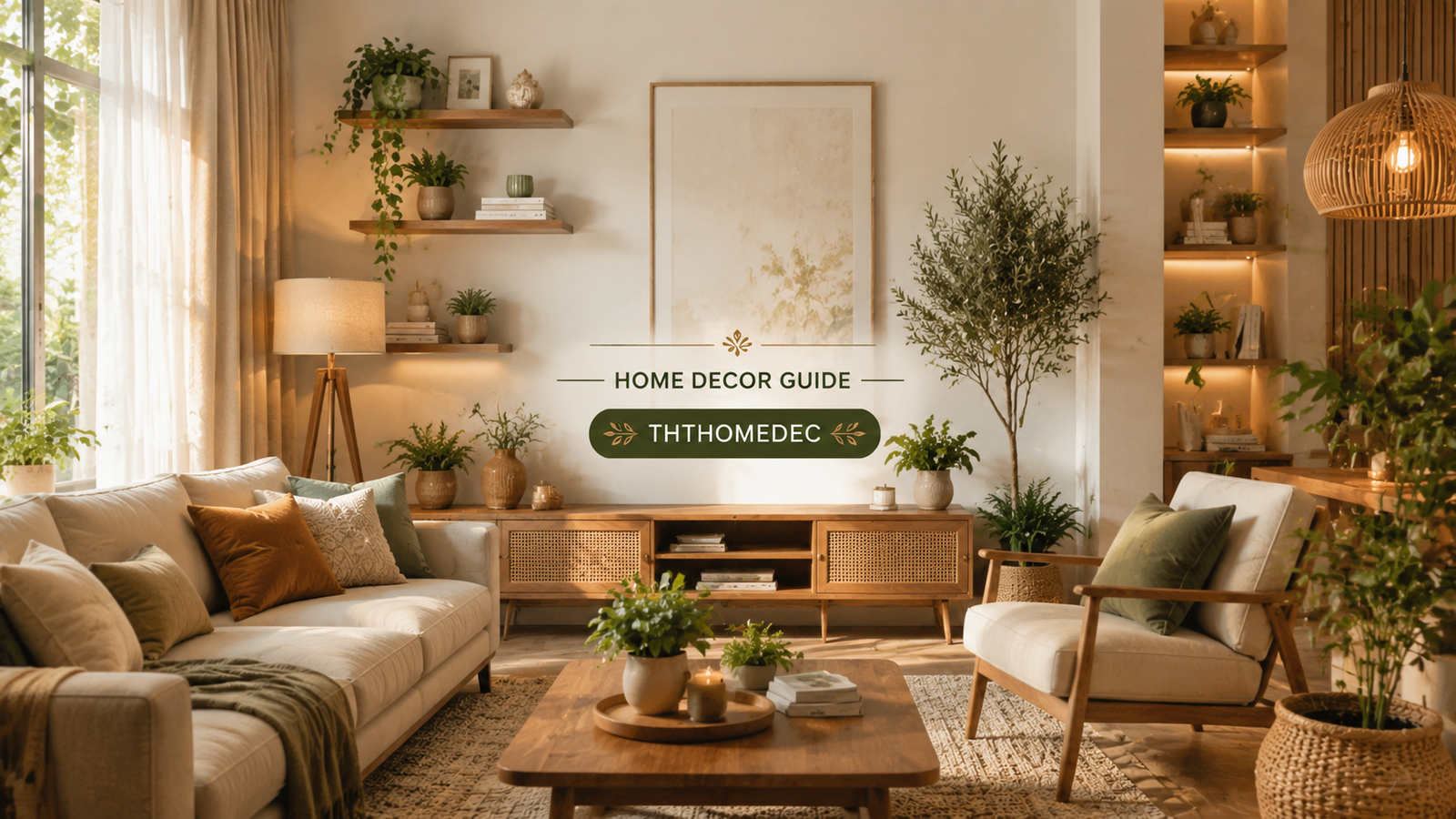
The concept of interior design has evolved significantly over the past decade, and in 2026, homeowners are focusing more on structured, practical, and emotionally comfortable living spaces. The home decor guide ththomedec is a modern approach that helps people design their homes with balance, harmony, and functionality instead of random decoration choices. It combines layout planning, color psychology, lighting techniques, and texture coordination into one simplified system that anyone can follow.
Unlike traditional decorating styles that rely heavily on trends, this approach focuses on long-term usability and visual comfort. The home decor guide ththomedec encourages homeowners to understand their space deeply before adding furniture or decorative items. This mindset helps create homes that feel organized, peaceful, and naturally attractive without unnecessary clutter or expensive redesigns.
Understanding Home Decor Guide Ththomedec Concept
The home decor guide ththomedec is based on the idea that every home should have a clear visual structure where each element has a purpose. Instead of filling a room with random furniture, this method encourages designing with intention, where every object supports the overall aesthetic and function of the space. It focuses on creating harmony between space, light, color, and materials.
This concept also draws influence from modern interior psychology, where design is connected to human emotions and behavior. A well-designed space can improve mood, productivity, and relaxation. The home decor guide ththomedec uses this principle to help users build environments that feel naturally comfortable while still looking modern and stylish.
Space Planning in Home Decor Guide Ththomedec
Space planning is the foundation of the home decor guide ththomedec, as it determines how usable and comfortable a room will be. A well-planned layout ensures that movement within the space feels natural and that furniture placement does not create visual or physical obstacles. It encourages leaving breathing space between objects so the room does not feel crowded.
This approach also emphasizes functional zoning, where different parts of a room serve different purposes. For example, a living room may include a relaxation zone, entertainment zone, and reading corner. By dividing space intelligently, the home decor guide ththomedec helps maximize usability even in small homes or apartments.
Color Psychology and Harmony Approach
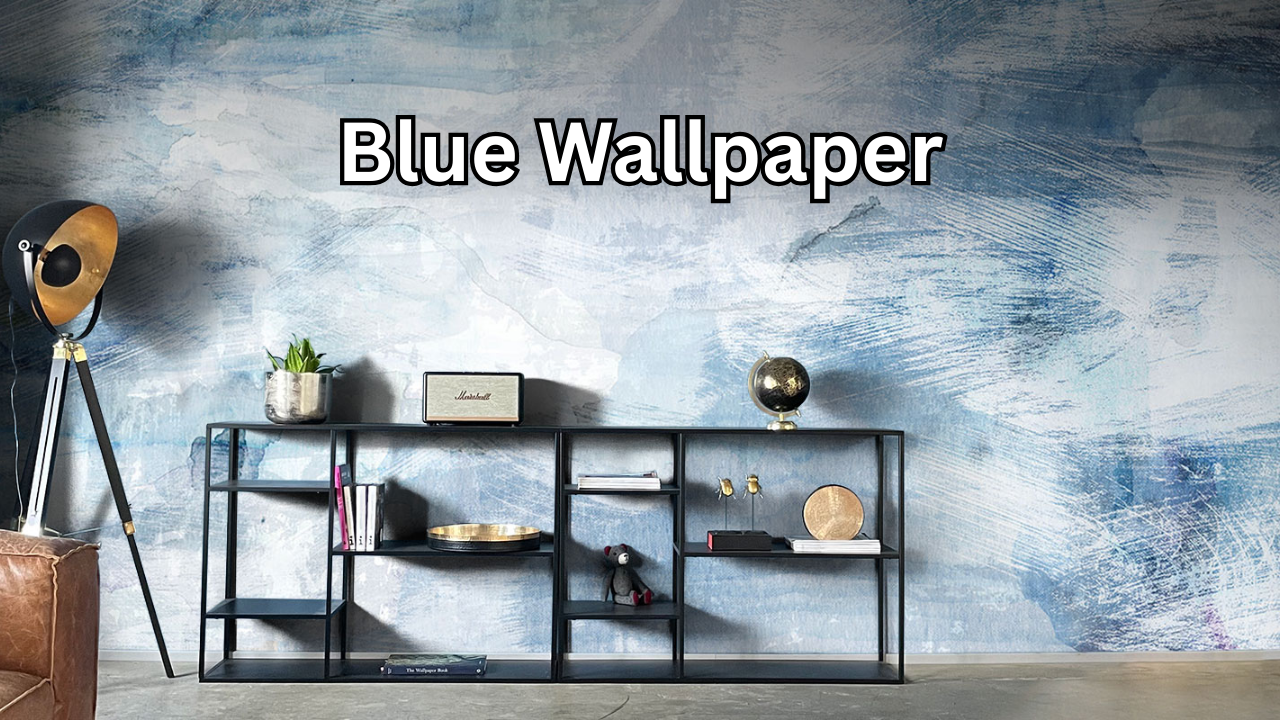
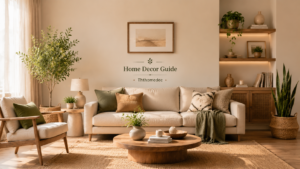
Color plays a powerful role in interior design, and the home decor guide ththomedec uses color psychology to influence mood and atmosphere. Soft tones like beige, cream, and light grey create a calm environment, while deeper tones like navy or forest green add richness and depth. The goal is to maintain balance so that no single color overwhelms the space.
This guide also follows a natural harmony approach where colors are selected based on emotional impact and lighting conditions. Rooms with more natural light can handle darker tones, while smaller or darker rooms benefit from lighter palettes. The home decor guide ththomedec ensures that color choices enhance space perception rather than reduce it.
Lighting Strategy in Home Decor Guide Ththomedec
Lighting is one of the most important elements in interior design, and the home decor guide ththomedec uses a layered lighting strategy to create depth and comfort. Instead of relying on a single light source, it combines ambient lighting for general brightness, task lighting for specific activities, and accent lighting for decorative highlights.
This layered system improves both functionality and mood within a room. Warm lighting is often preferred for living and bedroom areas because it creates a relaxing atmosphere, while brighter lighting is used in kitchens and workspaces. The home decor guide ththomedec ensures that lighting is not only practical but also enhances the overall aesthetic of the space.
Furniture Selection and Placement Strategy
Furniture selection in the home decor guide ththomedec focuses on proportion, function, and visual balance. It encourages choosing furniture that fits the size of the room rather than overwhelming it. Oversized furniture in small spaces can make a room feel tight, while small furniture in large rooms can look incomplete and disconnected.
Placement is equally important, as it defines how a room feels and functions. Furniture should be arranged to support movement flow and conversation areas. The home decor guide ththomedec suggests avoiding rigid wall-only placement and instead using flexible arrangements that improve interaction and comfort.
Texture and Material Coordination
Texture adds depth and personality to interior spaces, and the home decor guide ththomedec emphasizes mixing different materials to avoid flat and boring designs. Combining soft fabrics like cotton and linen with harder materials like wood, glass, or metal creates visual contrast and richness.
This method also focuses on balancing matte and glossy finishes to create subtle variation in surfaces. When textures are well coordinated, a room feels more layered and professionally designed. The home decor guide ththomedec uses texture as a tool to enhance luxury without increasing cost significantly.
Decor Accessories and Styling Elements
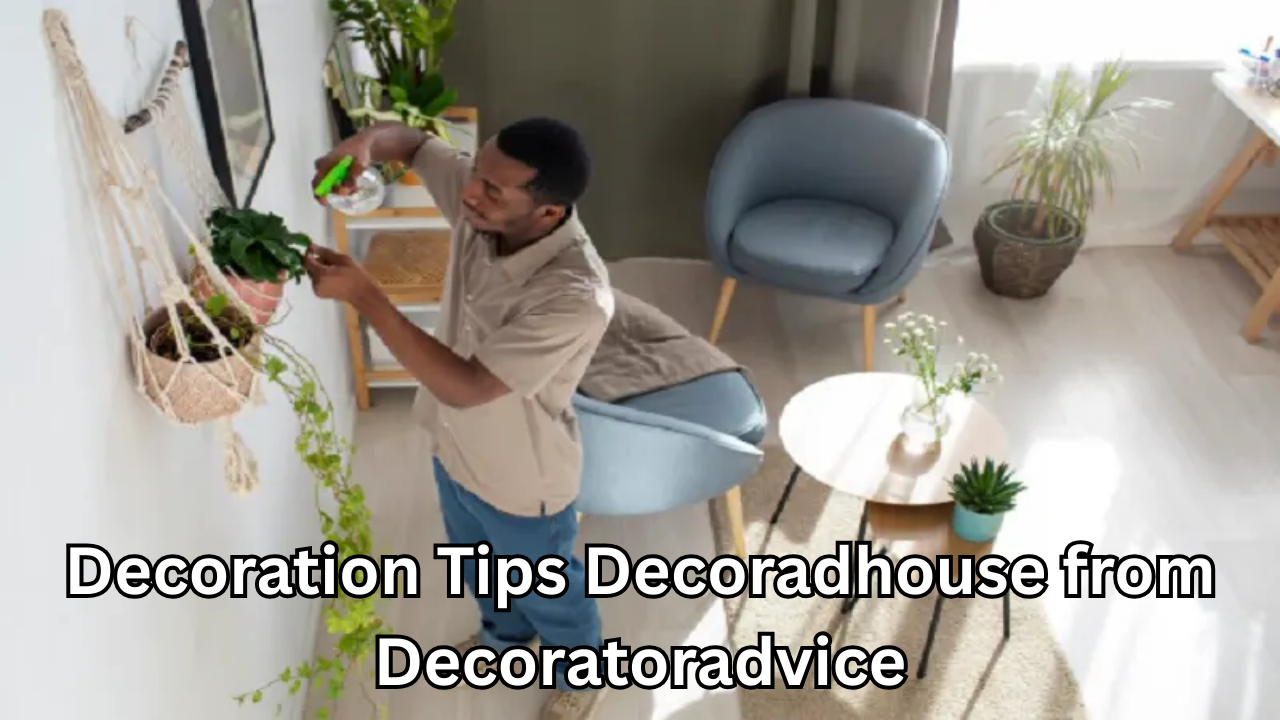
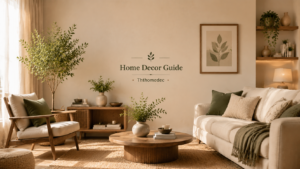
Decor accessories play a supporting role in the home decor guide ththomedec, helping personalize a space without overwhelming it. Items like cushions, rugs, wall art, and indoor plants are used to add character and warmth to a room. However, the guide encourages moderation to maintain visual cleanliness.
Each decorative item should serve a purpose, whether emotional or visual. For example, plants add freshness and natural energy, while artwork adds identity and style. The home decor guide ththomedec ensures that accessories enhance the design instead of creating clutter.
Modern Trends in Home Decor Guide Ththomedec
Modern interior trends have a strong influence on the home decor guide ththomedec, especially minimalism, sustainability, and smart living concepts. Minimalist design focuses on reducing unnecessary items and highlighting essential elements that bring clarity and calmness to a space.
Sustainable materials and eco-friendly furniture are also becoming more important in modern homes. The home decor guide ththomedec aligns with these trends by promoting long-lasting materials, natural textures, and energy-efficient lighting systems that support both style and responsibility.
Common Mistakes to Avoid
Many homeowners struggle with decorating because they follow trends without understanding structure. The home decor guide ththomedec highlights common mistakes such as overcrowding spaces, using mismatched colors, and ignoring lighting balance. These issues often make even expensive interiors look unorganized.
Another common mistake is neglecting proportion, where furniture sizes do not match the room dimensions. The home decor guide ththomedec helps avoid these problems by focusing on planning before purchasing or arranging any design elements, ensuring a more cohesive result.
Benefits of Home Decor Guide Ththomedec
The biggest advantage of the home decor guide ththomedec is its simplicity and flexibility. It can be applied to any home size, whether a small apartment or a large house, without requiring expensive upgrades. It focuses on improving existing spaces rather than rebuilding them.
Another benefit is emotional comfort, as this approach is designed to create peaceful and functional environments. The home decor guide ththomedec improves both visual appeal and daily living experience, making homes more enjoyable and practical at the same time.
Conclusion
The home decor guide ththomedec is a complete interior design approach that focuses on balance, functionality, and emotional well-being. Instead of relying on temporary trends, it builds long-lasting design principles that improve both appearance and usability of a home. By combining space planning, color harmony, lighting design, and texture coordination, it creates a structured system that anyone can follow.
In the end, a well-designed home is not about luxury or expensive furniture but about thoughtful decisions and proper planning. The home decor guide ththomedec proves that with the right approach, any space can be transformed into a beautiful, comfortable, and functional environment that truly feels like home.
Also Read: Blog Home Ideas TheHometrotters: Complete Guide to Stylish, Modern & Functional Living Spaces