Water Heater Leaking – A leaking water heater is often ignored until it causes expensive damage. Even a small drip can lead to water damage, mold, higher utility bills, or system failure. Know why leaks occur, the warning signs, and how to respond to protect your home, finances, and peace of mind.
Understanding Why Water Heaters Leak in the First Place
Water heaters operate under constant pressure and temperature changes, which naturally cause wear over time. While these systems are built to be durable, no unit lasts forever. Corrosion, mineral buildup, loose connections, or faulty components can all compromise the integrity of the tank or its fittings.
In many homes, especially with hard water, sediment gradually settles to the bottom of the tank. This traps heat, stresses the metal, and speeds up rust. When corrosion starts, even a well-maintained unit can seep water without warning.
Early Warning Signs You Should Never Ignore
Leaks don’t appear suddenly. Most water heaters show early clues before the problem is visible. Notice these clues early to avoid costly repairs.
Warning signs include damp flooring near the unit, higher water bills, less hot water, or odd popping and rumbling noises. A musty smell around the heater can indicate moisture before puddles appear.
Ignoring these signs can cause damage that spreads beyond the heater, affecting surrounding areas and appliances.
Water Heater Leaking From the Bottom: What It Really Means
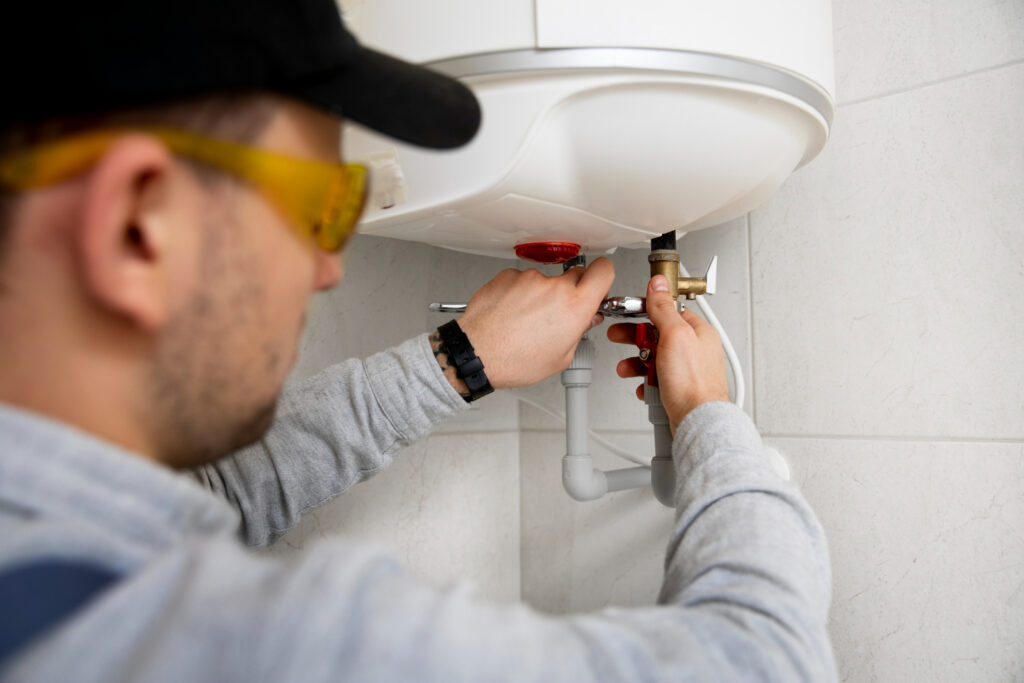
When a water heater leaking from the bottom is observed, homeowners often assume the tank has failed—and sometimes that’s true. Bottom leaks can indicate internal corrosion, which is typically irreversible. However, not every bottom leak requires immediate replacement.
Sometimes, the drain valve or temperature and pressure relief valve releases excess water. These are safety features, but a malfunction can make water escape even if the tank is fine.
A professional can tell you if the leak is repairable or if you need a new unit.
How Loose Connections and Valves Cause Hidden Leaks
Not all leaks originate from the tank. In many situations, fittings and connections are the real culprits. Inlet and outlet pipes, heating elements, and relief valves can loosen over time due to thermal expansion.
A minor seal failure can cause a slow drip and ongoing moisture. In the long term, even small leaks can cause serious damage if left unchecked.
Regular inspections of these components significantly reduce the risk of unexpected breakdowns.
The Role of Water Pressure and Temperature Settings
Too much water pressure strains the tank and valves, causing leaks. High temperatures speed up wear on internal parts.
Maintaining balanced pressure and keeping the thermostat within manufacturer-recommended ranges not only extends the heater’s lifespan but also improves energy efficiency and safety throughout your home.
When faced with a leak, deciding whether to DIY or call a professional is a crucial next step.
You can tighten a loose valve or replace a washer if you have experience. But diagnosing leaks often needs an expert, especially if you suspect corrosion.
Temporary fixes on a failing tank can cause bursting or flooding. Most of the time, call a licensed plumber to fix leaks safely and legally.
Professional assessments also help determine whether repair or replacement is the more cost-effective long-term solution.
Preventive Maintenance That Extends Heater Life
Annual tank flushes remove sediment, reduce stress, keep the heater efficient, and prevent leaks.
Additional preventive steps include checking the anode rod, inspecting valves for wear, and monitoring pressure levels. These simple measures dramatically reduce the likelihood of a water heater leak during peak usage.
Consistent maintenance also supports warranty coverage and improves overall system reliability.

When Replacement Is the Smarter Choice
Typical water heaters last eight to twelve years. Older systems are more likely to leak. Frequent repairs on old units often cost more than a new, efficient model.
Modern water heaters offer better insulation, smarter temperature controls, and improved safety features. Replacing an aging unit before catastrophic failure prevents emergency situations and allows for planned installation without disruption.
The Long-Term Risks of Ignoring a Leak
If you ignore a leak, you risk structural water damage, mold growth, electrical hazards, and poor indoor air quality.
Insurance claims related to water damage are often expensive and time-consuming. Worse, some policies may deny coverage if the issue is traced back to neglected maintenance or delayed repairs.
Addressing leaks promptly protects both your property value and your family’s health.
Final Thoughts: Act Early, Save More
Don’t ignore a leaking water heater. Corrosion, pressure issues, or worn-out parts mean your system needs attention. Detect problems early, maintain your heater, and make smart decisions to prevent costly damage and keep your hot water reliable.
By staying alert to warning signs and seeking professional guidance when needed, homeowners can turn a potentially serious issue into a manageable, stress-free solution.
Also Read: How to Unclog a Drain: Powerful, Safe, and Proven Solutions That Actually Work
One thought on “Water Heater Leaking: The Shocking Truth Behind This Dangerous Home Problem”
Comments are closed.