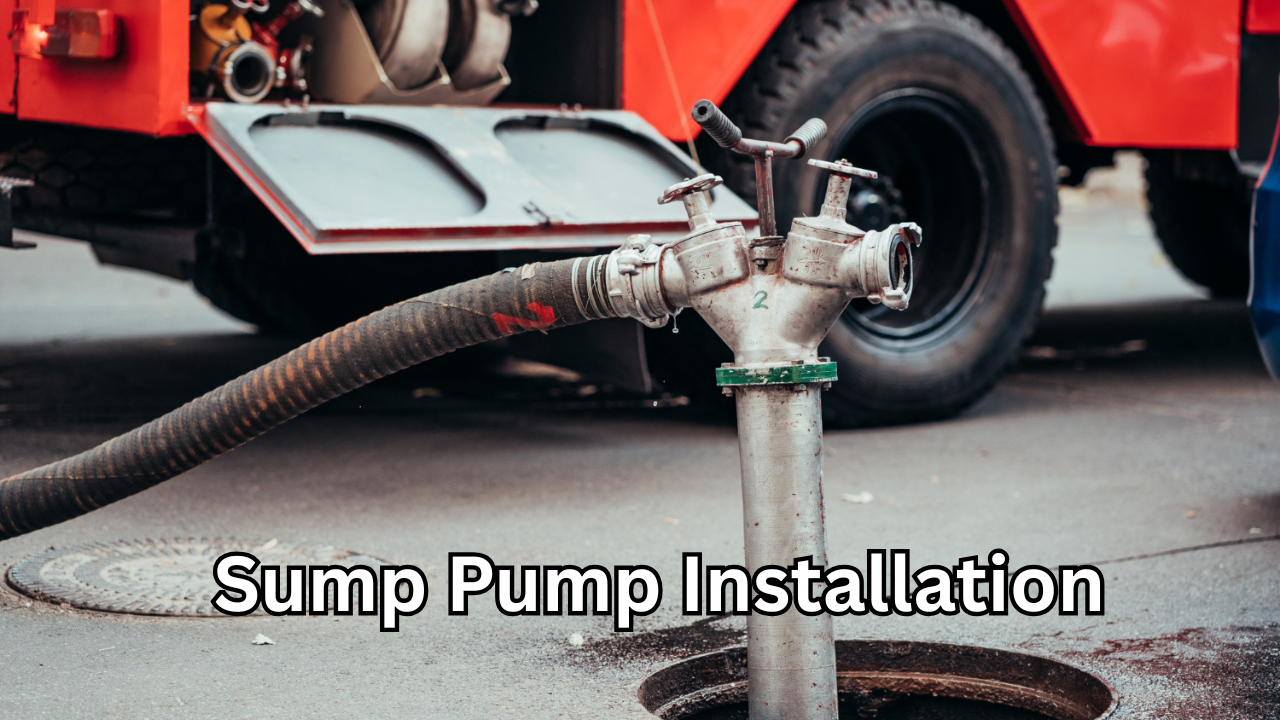
Sump Pump Installation – Water intrusion is among the most stressful and costly problems a homeowner can face. Excess moisture damages floors, walls, and the foundation while threatening indoor air quality and property value. Sump pump installation is a proactive solution that manages groundwater and protects your home from flooding before it becomes expensive. Done correctly, it provides peace of mind, structural safety, and reliable year-round protection.
Why Homes Struggle With Water Buildup
Water problems rarely appear out of nowhere. They usually develop due to a combination of soil conditions, climate, and construction factors. Homes built in low-lying areas or regions with heavy rainfall often experience rising groundwater that has nowhere to go. Over time, hydrostatic pressure pushes moisture through foundation cracks, basement walls, and floor joints.
Even well-built homes can struggle when drainage systems are outdated or overwhelmed. Poor grading around the foundation, clogged gutters, and aging waterproofing materials all contribute to water pooling where it shouldn’t. Left unchecked, this moisture can lead to mold growth, wood rot, and severe structural damage that compromises the home’s safety.
How a Sump Pump Protects Your Property
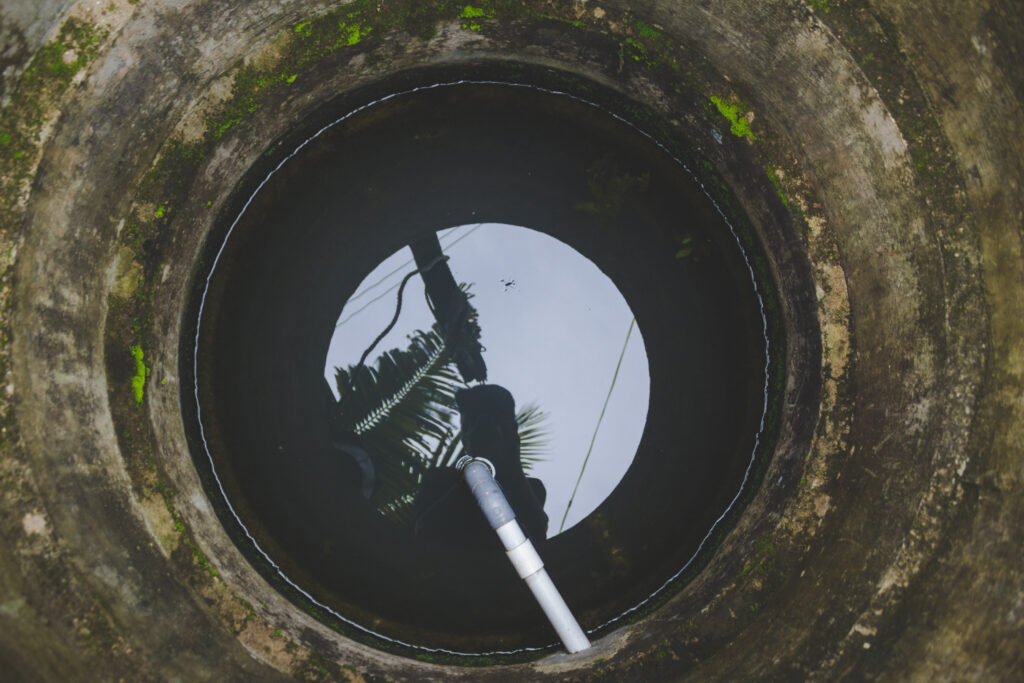
A sump pump works by collecting excess groundwater in a specially constructed pit—usually located at the lowest point of the basement or crawl space—and pumping it safely away from the foundation. This prevents water from accumulating and relieves pressure on the structure.
Modern systems activate automatically when water reaches a certain level, providing hands-off protection during heavy storms or rapid snowmelt. With proper design and placement, they quietly ensure basements remain dry and usable.
Sump Pump Installation: What the Process Involves
Sump Pump Installation Explained Step by Step
A professional approach begins with evaluating the home’s layout, soil conditions, and water table behavior. The installer determines the optimal location for the sump pit, ensuring it sits at the lowest practical point where water naturally collects. The pit is then excavated, lined, and fitted with a durable basin.
Next, the pump itself is installed, connected to a discharge pipe that directs water away from the home—far enough to prevent recycling back toward the foundation. Electrical connections are secured, and in many cases, a check valve is added to prevent backflow. The system is tested thoroughly to confirm proper activation and drainage performance.
This process requires precision, local code knowledge, and experience. Small mistakes in slope, discharge placement, or sealing can reduce effectiveness or create new problems down the line.
Types of Sump Pumps and Their Benefits
Choosing the right pump depends on water volume, basement size, and usage needs. Submersible pumps are installed inside the basin and operate quietly, making them ideal for finished basements. Pedestal pumps, with motors mounted above the pit, are easier to service and often last longer in lighter-duty environments.
Some homeowners also opt for backup systems. Battery-powered or water-powered backups provide added security during power outages—precisely when storms and flooding are most likely. While these systems add to the initial investment, they significantly improve reliability and reduce risk.
Signs Your Home Needs a Pump System
Many homeowners wait until visible flooding occurs, but early warning signs often appear long before that point. Damp basement floors, persistent musty odors, and efflorescence on walls indicate recurring moisture intrusion. Cracks near the foundation or peeling paint can also signal water pressure problems.
If your home has experienced flooding even once, or if neighboring properties regularly deal with groundwater issues, proactive installation is often more cost-effective than repeated repairs. Addressing the root cause early helps preserve both the structure and the indoor environment.
Professional Installation vs. DIY Approaches
While some home projects lend themselves to DIY solutions, this is one area where professional expertise matters. Incorrect pit depth, improper discharge routing, or noncompliant electrical work can all lead to system failure. In worst-case scenarios, mistakes can cause water to flow back toward the house or damage the foundation further.
Hiring a qualified professional ensures the system meets local building codes and performs reliably under real-world conditions. Experienced installers also account for future needs, such as higher water tables or potential expansions, providing a more resilient setup overall.
Maintenance and Long-Term Performance
Like any mechanical system, ongoing care is essential for reliability. Periodic inspections help ensure the pump activates properly, the discharge line remains clear, and the check valve functions as intended. Debris buildup in the pit or worn components can reduce efficiency if left unattended.
Regular maintenance extends the lifespan of the system and reduces the likelihood of unexpected failures during critical moments. Many homeowners schedule annual inspections, especially before rainy seasons, to keep everything operating smoothly.

Cost Considerations and Value Over Time
The upfront cost varies based on pump type, installation complexity, and whether backup systems are included. While the investment may seem significant, it’s small compared to the potential cost of flood repairs, mold remediation, and foundation restoration.
Beyond financial savings, the value lies in protection and peace of mind. A dry, well-maintained basement can be safely used for storage or living space, adding functional value to the home. In many markets, proper water management systems are also attractive to future buyers.
Environmental and Health Benefits
Controlling excess moisture isn’t just about protecting materials—it also supports healthier indoor air quality. Damp environments encourage mold spores and allergens, which can affect respiratory health. By managing groundwater effectively, homeowners create a cleaner, safer living space.
Efficient systems also reduce the need for repeated chemical treatments or invasive repairs, making them a more sustainable long-term solution for moisture control.
Final Thoughts: A Smart Investment in Home Protection
Water damage is unpredictable, but preparation makes all the difference. Sump pump installation offers a reliable defense against flooding, foundation stress, and long-term moisture problems. When designed and installed correctly, it safeguards your home’s structure, protects your belongings, and preserves indoor comfort.
Choosing a professional approach, maintaining the system regularly, and planning for future needs ensures lasting performance. In the end, this solution isn’t just about keeping water out—it’s about protecting one of your most valuable investments for years to come.
Also Read: Water Heater Leaking: The Shocking Truth Behind This Dangerous Home Problem

One thought on “Sump Pump Installation: The Ultimate Smart Solution for a Dry, Protected Home”
Comments are closed.