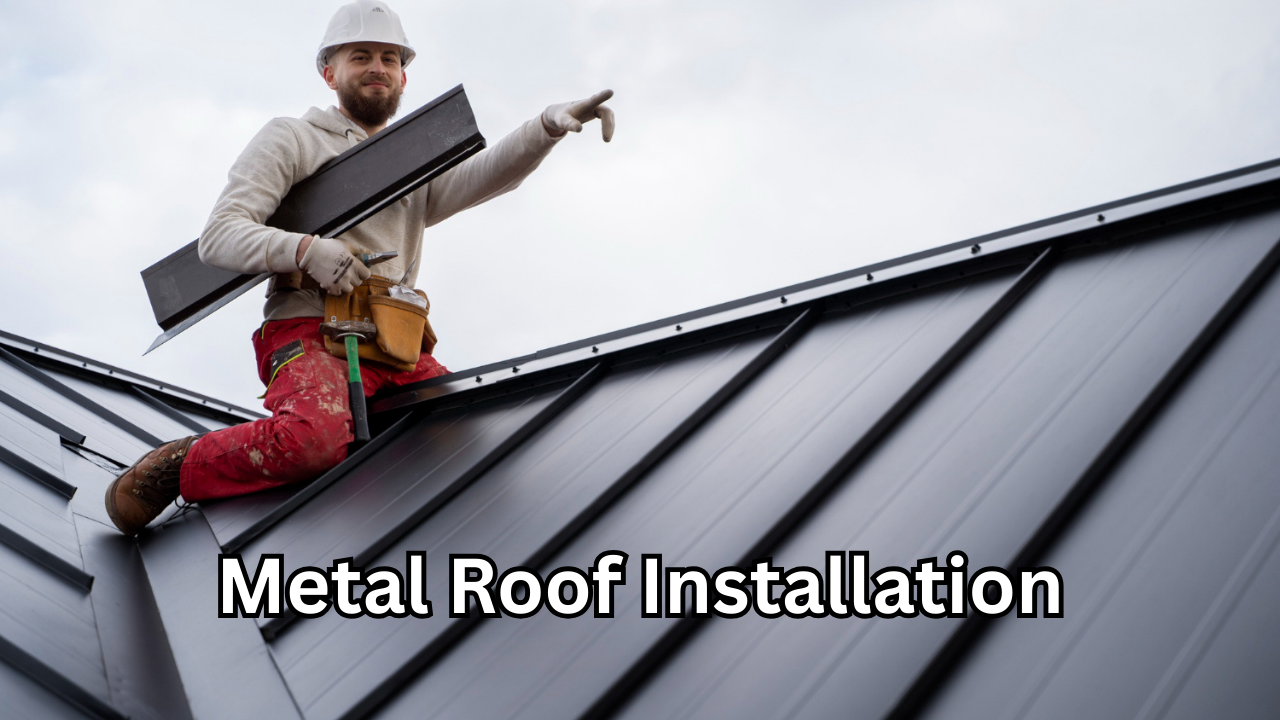
Choosing the right roofing system is one of the most important decisions a homeowner or property investor can make. Metal roof installation has steadily gained popularity because it combines durability, energy efficiency, and long-term value in a way that many traditional materials cannot match. This guide explains what makes metal roofing a positive investment, how the process works, and what to expect in terms of cost, lifespan, and maintenance, helping you make an informed and confident decision.
Why Metal Roofing Is a Strong Long-Term Choice
Metal roofing is no longer limited to industrial buildings or farm structures. Modern designs now suit residential, commercial, and mixed-use properties alike. One of the biggest advantages is longevity. While asphalt shingles may need replacement every 15–25 years, metal systems often last 40–70 years when properly installed.
Another major benefit is resistance. Metal roofs perform exceptionally well against extreme weather conditions such as heavy rain, high winds, snow, and even fire. They do not crack, warp, or rot, making them especially appealing in regions prone to harsh climates.
Energy efficiency is another reason property owners consider this option. Reflective coatings help reduce heat absorption, which can lower indoor temperatures during hot seasons and decrease cooling costs. Over time, these energy savings can offset part of the initial investment.
Understanding the Metal Roof Installation Process
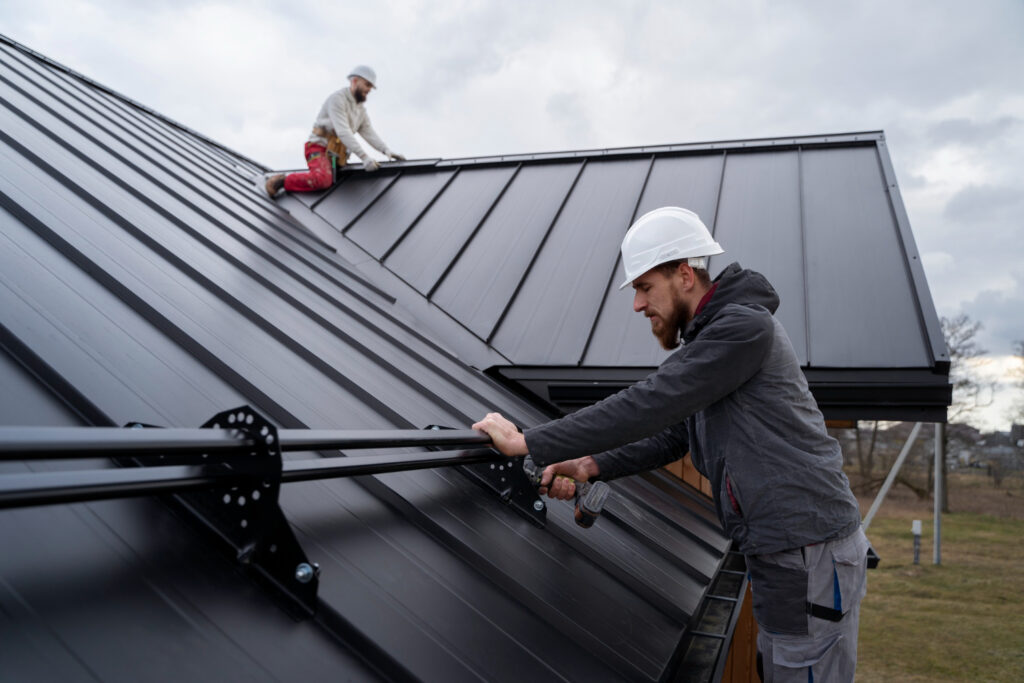
A professional metal roof installation follows a structured process designed to ensure performance and safety. It typically begins with a detailed inspection of the existing roof deck. Contractors check for moisture damage, structural weaknesses, and ventilation issues before moving forward.
Once the surface is prepared, underlayment is installed to provide an extra moisture barrier. This layer is critical for preventing leaks and improving thermal performance. After that, metal panels or shingles are measured, cut, and fastened according to manufacturer specifications.
Precision matters at every stage. Improper fastening, misaligned panels, or poor flashing around chimneys and vents can compromise the entire system. That is why experienced installers and quality materials play such a crucial role in long-term results.
Types of Metal Roofing Materials to Consider
Not all metal roofs are the same. The material you choose affects appearance, cost, and durability. Steel is the most common option due to its balance of affordability and strength. Aluminum is lightweight and highly resistant to corrosion, making it suitable for coastal areas. Copper and zinc offer premium aesthetics and exceptional lifespan, though they come at a higher price point.
Each material also supports different profiles, from standing seam panels to metal shingles that mimic traditional roofing styles. Selecting the right type depends on your climate, budget, and architectural preferences.
Cost Factors and Budget Planning
The upfront cost of metal roofing is often higher than traditional options, but focusing only on initial pricing can be misleading. Installation expenses depend on factors such as roof size, slope, material choice, and labor rates in your area.
Over time, reduced maintenance, fewer repairs, and energy savings improve overall value. When viewed as a long-term investment rather than a short-term expense, metal roofing often proves cost-effective. Many homeowners also find that resale value increases due to the roof’s durability and modern appeal.
Common Mistakes to Avoid During Installation
Even the best materials can fail if installation is handled poorly. One frequent mistake is skipping proper ventilation planning, which can lead to condensation issues. Another is using incompatible fasteners or coatings that reduce corrosion resistance.
Hiring contractors without specific experience in metal systems is another risk. Metal roofing requires different techniques than shingle roofs, and inexperience can result in noise issues, leaks, or premature wear. Always verify credentials, references, and manufacturer certifications before committing.
Maintenance and Care for Long-Term Performance
One of the most attractive features of metal roofing is low maintenance. Routine inspections, usually once or twice a year, help identify loose fasteners, debris buildup, or minor coating damage. Keeping gutters clean and trimming overhanging branches also protects the surface.
When properly cared for, a well-installed system retains its appearance and structural integrity for decades. Occasional professional inspections can further extend lifespan and ensure warranty compliance.

Environmental and Sustainability Benefits
Metal roofing is considered an environmentally responsible choice. Most systems contain a high percentage of recycled material and are fully recyclable at the end of their life. This reduces landfill waste compared to petroleum-based shingles.
Additionally, reflective finishes contribute to lower energy consumption, which reduces overall carbon footprint. For homeowners focused on sustainability, metal roofing aligns well with green building goals and modern efficiency standards.
Is Metal Roofing Right for Your Property?
Deciding whether metal roofing fits your needs depends on priorities such as budget, climate, and long-term plans. For homeowners who value durability, energy savings, and minimal upkeep, this option stands out. It is also ideal for those planning to stay in their property long enough to benefit from its extended lifespan.
Consulting with a qualified professional can clarify whether structural modifications are needed and which material best suits your location. A tailored assessment ensures the system performs as intended.
Final Thoughts: A Positive Investment in Protection and Value
A professionally executed metal roof installation offers more than just weather protection. It delivers peace of mind, energy efficiency, and lasting value that few roofing systems can match. By choosing quality materials, experienced installers, and proper maintenance, property owners can enjoy decades of reliable performance. When viewed through the lens of longevity and efficiency, metal roofing proves to be a smart, future-focused upgrade for modern buildings.
Also Read: Safest Space Heater: The Ultimate Smart Guide to Warm Your Home Securely
One thought on “Metal Roof Installation: A Smart, Reliable Upgrade for Long-Lasting Protection”
Comments are closed.