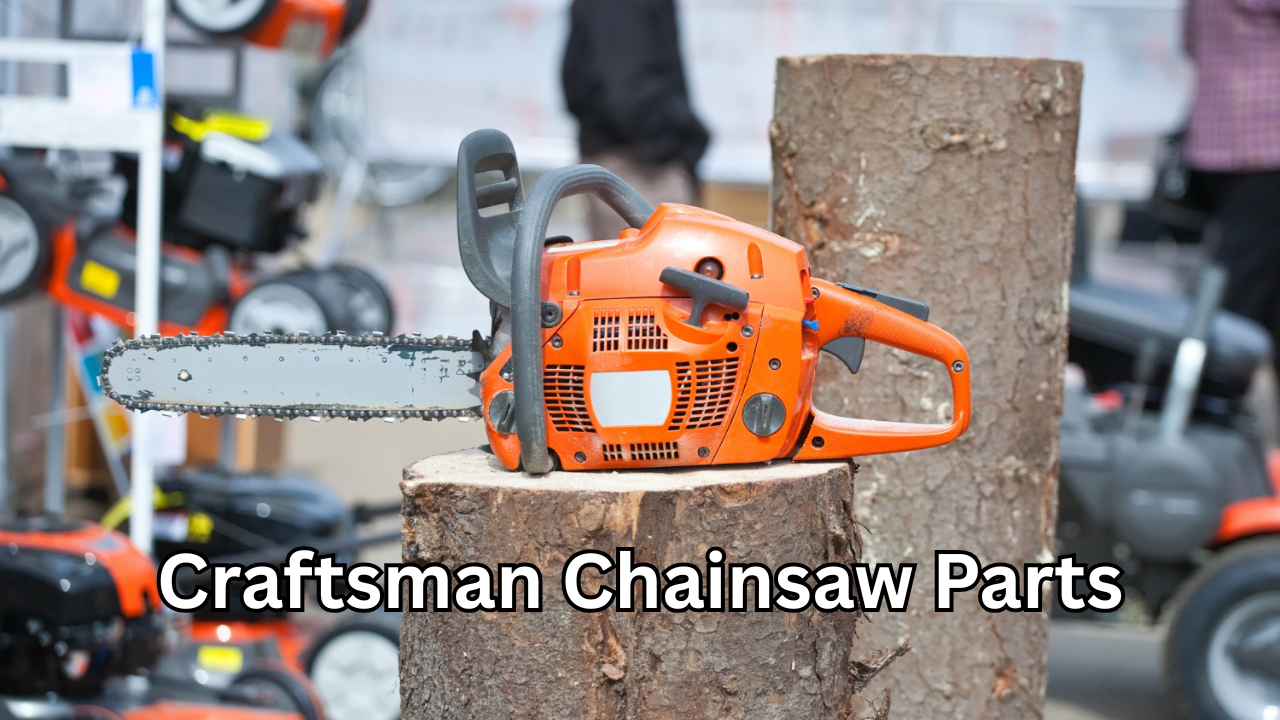
Craftsman Chainsaw Parts – Maintaining a chainsaw is not just about sharpening the blade or topping up fuel—it’s about understanding how each component works together to deliver power, safety, and efficiency. Craftsman chainsaw parts play a critical role in keeping these trusted tools running smoothly, whether you’re a homeowner managing yard work or a professional tackling demanding cutting jobs. Choosing the right components ensures consistent performance, reduces downtime, and extends the lifespan of your equipment.
Why Quality Replacement Components Matter
A chainsaw operates under high stress, combining rapid motion, heat, and mechanical force. Over time, even well-built machines experience wear. Replacing worn elements with high-quality components is essential to restore balance and prevent further damage. Inferior replacements may fit initially but often fail prematurely, leading to reduced cutting power or safety risks.
When you invest in compatible, well-made replacements, you protect the engine, improve fuel efficiency, and maintain smooth operation. This approach reflects responsible tool ownership and aligns with manufacturer-recommended maintenance practices.
Understanding the Core Components of a Chainsaw
Every chainsaw relies on a coordinated system of parts working together. The engine produces power, the drive system transfers it, and the cutting assembly delivers results. Knowing how these sections interact helps users identify issues early and replace only what’s necessary.
Key internal elements include filters, ignition components, and carburetion systems that regulate airflow and fuel delivery. Externally, guide bars, chains, and safety features directly affect cutting accuracy and operator control. Each element must meet specific tolerances to ensure reliable performance.

Common Wear Areas to Monitor Regularly
Certain components naturally degrade faster due to friction, heat, or exposure to debris. Chains and guide bars experience constant contact with wood, while air filters clog with sawdust over time. Spark plugs and fuel lines also require periodic inspection.
Regular monitoring allows you to address minor issues before they escalate. This proactive approach minimizes repair costs and helps maintain optimal cutting efficiency throughout the tool’s lifespan.
How to Identify the Right Craftsman Chainsaw Parts for Your Model
Chainsaws vary by engine size, bar length, and design generation. Identifying the correct replacements starts with the model number, usually found on the housing or engine casing. This information ensures compatibility and prevents installation issues.
Using model-specific components preserves factory performance standards. It also reduces the risk of voiding warranties or causing mechanical imbalance that could shorten the tool’s service life.
Performance Benefits of Properly Matched Components
Installing compatible parts restores original cutting power and responsiveness. The engine runs smoother, vibration decreases, and fuel consumption stabilizes. These improvements translate into cleaner cuts and less operator fatigue.
Over time, consistent performance reduces strain on surrounding components, creating a positive cycle of reliability and durability. This is especially important for users who rely on their equipment regularly.
Maintenance Tips to Extend Component Lifespan
Routine care significantly impacts how long individual elements last. Cleaning air filters, lubricating the chain, and checking tension regularly can prevent premature wear. Proper storage—away from moisture and extreme temperatures—also protects sensitive components.
Following manufacturer maintenance schedules ensures that replacements are installed before failures occur. This disciplined approach supports safe operation and long-term efficiency.
Choosing Between OEM and Aftermarket Options
Users often debate whether original manufacturer components or aftermarket alternatives offer better value. OEM options are designed to exact specifications, ensuring seamless integration. High-quality aftermarket choices can also perform well when sourced from reputable suppliers.
The key is prioritizing build quality, material standards, and compatibility. Avoid poorly manufactured alternatives that compromise safety or performance for short-term savings.
Safety Considerations When Replacing Components
Chainsaws are powerful tools, and improper installation can create hazards. Always disconnect the power source before beginning repairs. Use manufacturer-approved procedures and torque settings to secure components correctly.
If you’re unsure about a replacement process, consulting a professional technician is a wise choice. Safety should always outweigh convenience when working with high-powered equipment.
When to Upgrade Instead of Replace
In some cases, repeated repairs signal that the tool has reached the end of its practical lifespan. If multiple systems fail simultaneously or repair costs approach replacement value, upgrading to a newer model may be more economical.
However, for well-maintained tools, targeted replacements using craftsman chainsaw parts often restore performance effectively and delay the need for a full upgrade.

Environmental and Cost Benefits of Proper Repairs
Repairing instead of replacing entire tools reduces waste and conserves resources. Extending the life of your equipment through thoughtful maintenance aligns with sustainable practices and lowers long-term expenses.
Well-maintained tools also operate more efficiently, consuming less fuel and producing fewer emissions during use.
Expert Advice for Long-Term Reliability
Experienced technicians emphasize consistency: regular inspections, timely replacements, and proper usage habits. Avoid forcing cuts, keep chains sharp, and never ignore unusual sounds or vibrations.
These habits, combined with quality components, ensure dependable operation year after year.
Final Thoughts: Smart Maintenance Delivers Lasting Value
Investing in the right craftsman chainsaw parts is not just about fixing problems—it’s about preserving performance, safety, and efficiency over time. By understanding your tool, choosing compatible components, and following best maintenance practices, you ensure reliable results for every cutting task.
A chainsaw that’s properly cared for becomes a long-term asset rather than a recurring expense. With informed decisions and attention to detail, you can enjoy smooth operation and confident performance whenever the job demands it.
Also Read: Walk In Shower Ideas That Make Bathrooms Stunning and Smart


One thought on “Craftsman Chainsaw Parts: The Ultimate Positive Guide to Reliable Performance and Long Tool Life”
Comments are closed.