A dishwasher not draining is one of those household issues that feels small at first but quickly becomes a major inconvenience. Standing water, unpleasant odors, and poorly cleaned dishes are clear signs something isn’t right. This guide explains why the problem happens, how to diagnose it correctly, and what steps you can take to fix it safely—without guesswork or unnecessary repairs.
Understanding How Dishwasher Drainage Works
To fix drainage problems confidently, it helps to understand the basic process. During a wash cycle, dirty water is pumped out through a drain hose, passes a filter system, and exits into the garbage disposal or sink drain. When any part of this system becomes blocked, damaged, or misaligned, water can remain inside the tub.
Modern dishwashers are designed with safety features that prevent flooding, so drainage failures usually stop the cycle rather than cause leaks. While that protects your kitchen, it also means dishes are left sitting in dirty water. Knowing this design helps you troubleshoot with more precision and less stress.
Common Causes of Drainage Failure
Most drainage issues trace back to a handful of recurring causes. Food debris is the most frequent culprit, especially when filters aren’t cleaned regularly. Grease buildup can also harden inside hoses over time, slowing water flow until it stops entirely.
Another common issue is an incorrectly installed drain hose. If the hose is kinked or lacks a proper high loop, dirty water can flow back into the dishwasher. Mechanical failures, such as a worn drain pump or a faulty check valve, are less common but still possible, particularly in older units.
Dishwasher Not Draining Due to Clogged Filters
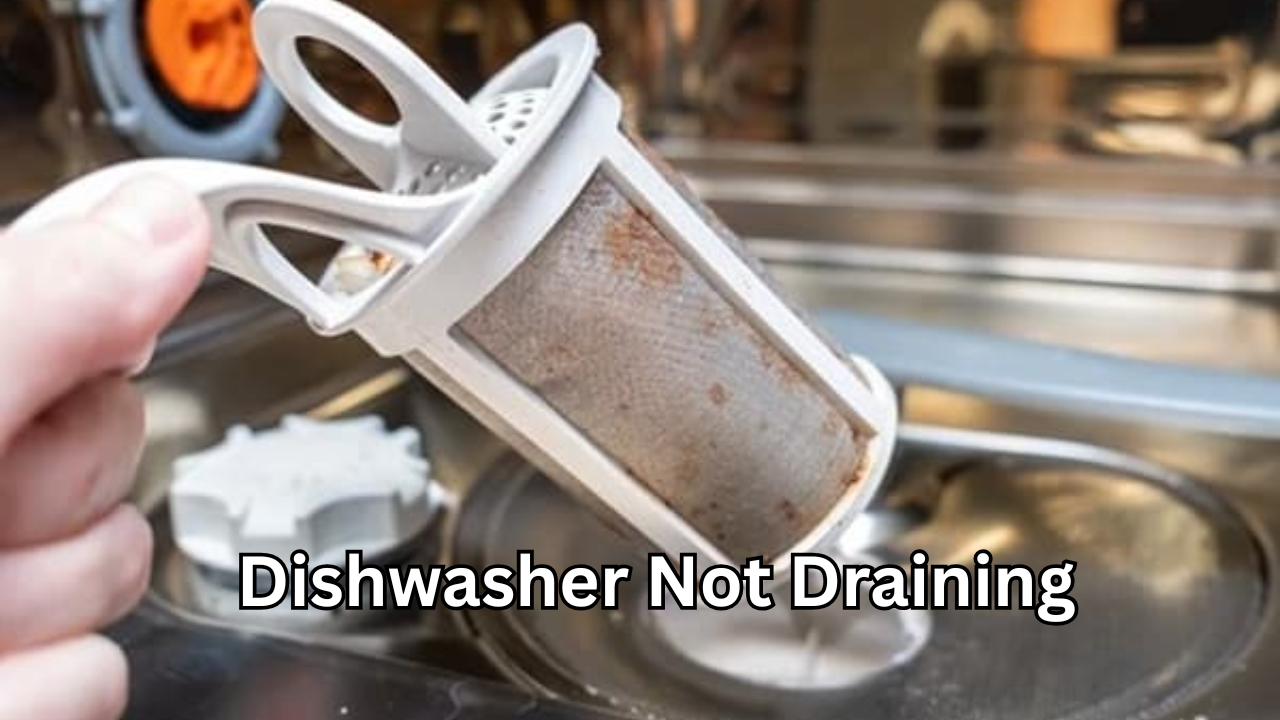
A dishwasher not draining is often the result of clogged internal filters. These filters trap food particles to protect the pump, but when they’re overloaded, water movement becomes restricted. Many homeowners don’t realize filters require routine cleaning, not just occasional checks.
To address this, remove the bottom rack and locate the filter assembly at the base of the tub. Rinse it under warm water and gently scrub away debris using a soft brush. Avoid harsh tools that can damage the mesh. Regular filter maintenance alone resolves a large percentage of drainage complaints.
Drain Hose and Air Gap Issues
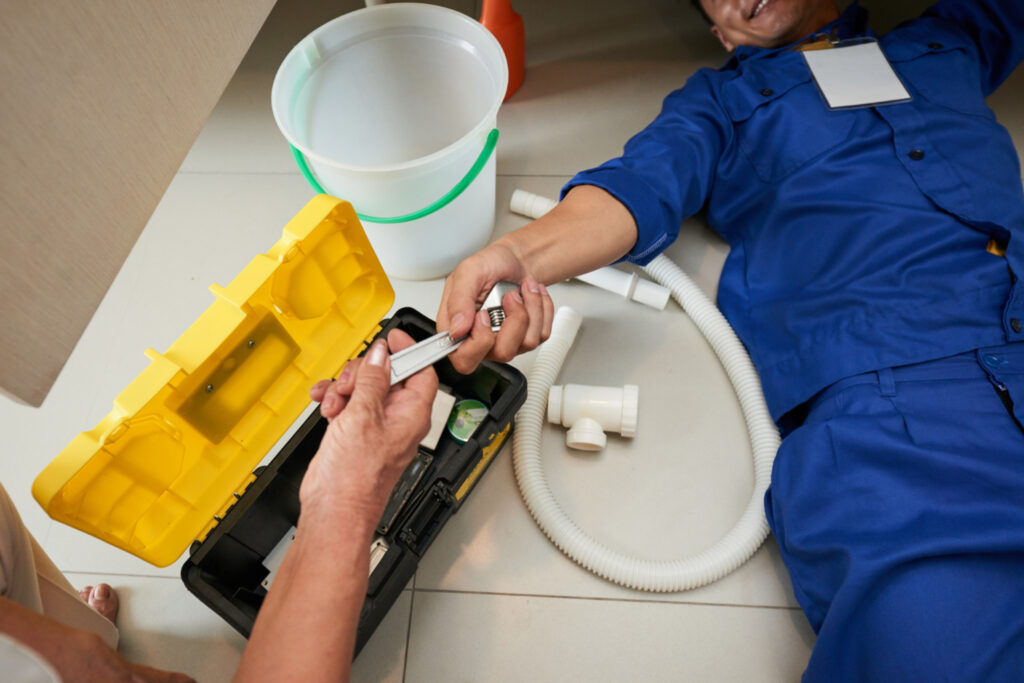
The drain hose is the dishwasher’s exit route, and even minor problems here can stop drainage entirely. A kinked hose restricts water flow, while a hose installed too low can allow wastewater to siphon back into the machine.
If your sink has an air gap, check it for blockages. Food particles often collect inside, especially after heavy use. Clearing the air gap and ensuring the hose forms a proper high loop under the counter can significantly improve drainage reliability and prevent recurring backups.
Garbage Disposal Connections Matter
When a dishwasher is connected to a garbage disposal, drainage issues can originate there instead. A clogged disposal prevents water from exiting properly, even if the dishwasher itself is in good condition. This connection is often overlooked during troubleshooting.
New disposal installations are another risk point. If the knockout plug inside the disposal inlet wasn’t removed, water has nowhere to go. Verifying this small detail can save hours of frustration and unnecessary service calls.
Mechanical Problems to Watch For
When cleaning and hose adjustments don’t resolve the issue, mechanical components may be involved. A failing drain pump may hum without moving water, or remain completely silent during the drain cycle. Over time, pumps wear out or become jammed by debris that bypassed the filter.
Check valves are another weak point. These small components prevent backflow, but when they stick or break, water may remain trapped. Mechanical repairs typically require partial disassembly, so consult the manufacturer’s guide or a qualified technician if you’re unsure.
Signs It’s Time to Call a Professional
While many drainage problems are DIY-friendly, some situations call for expert help. Persistent standing water after thorough cleaning suggests deeper mechanical or electrical issues. Unusual noises, error codes, or repeated cycle interruptions are also warning signs.
Professional technicians can test electrical continuity, inspect internal seals, and replace worn parts safely. Attempting advanced repairs without proper knowledge can void warranties or cause further damage, making professional support a smarter long-term investment.
Preventing Future Drainage Problems
Prevention is far easier than repeated repairs. Scraping excess food from dishes before loading reduces filter strain and grease buildup. Running hot water in the sink before starting the dishwasher helps dissolve fats that might otherwise harden in hoses.
A simple maintenance routine goes a long way:
- Clean the filter monthly
- Inspect the drain hose annually
- Use dishwasher-safe cleaners periodically
These habits reduce the chances of facing a dishwasher not draining scenario again and extend the appliance’s overall lifespan.
When Replacement Becomes the Better Option
In older units, recurring drainage issues may signal the end of the dishwasher’s practical life. If repairs become frequent or costly, replacement can be more economical and energy-efficient. Modern dishwashers offer improved filtration, quieter operation, and smarter drainage systems.
Before replacing, compare repair costs to the price of a new model. If repairs exceed half the cost of replacement, upgrading is usually the wiser choice. Energy savings and improved performance often offset the initial investment over time.
Final Thoughts on Solving Drainage Issues
A dishwasher not draining can disrupt your daily routine, but it’s rarely an unsolvable problem. By understanding how the system works, addressing common causes, and maintaining key components, most homeowners can restore proper function without major expense.
The key takeaway is consistency. Regular cleaning, proper installation checks, and early attention to warning signs prevent minor issues from becoming major failures. With the right approach, your dishwasher can continue running efficiently, quietly, and reliably for years to come.
Also Read: Toilet Installation Made Easy: A Smart, Stress-Free Upgrade for Your Bathroom


One thought on “Dishwasher Not Draining: A Frustrating Problem With Reliable Solutions”
Comments are closed.