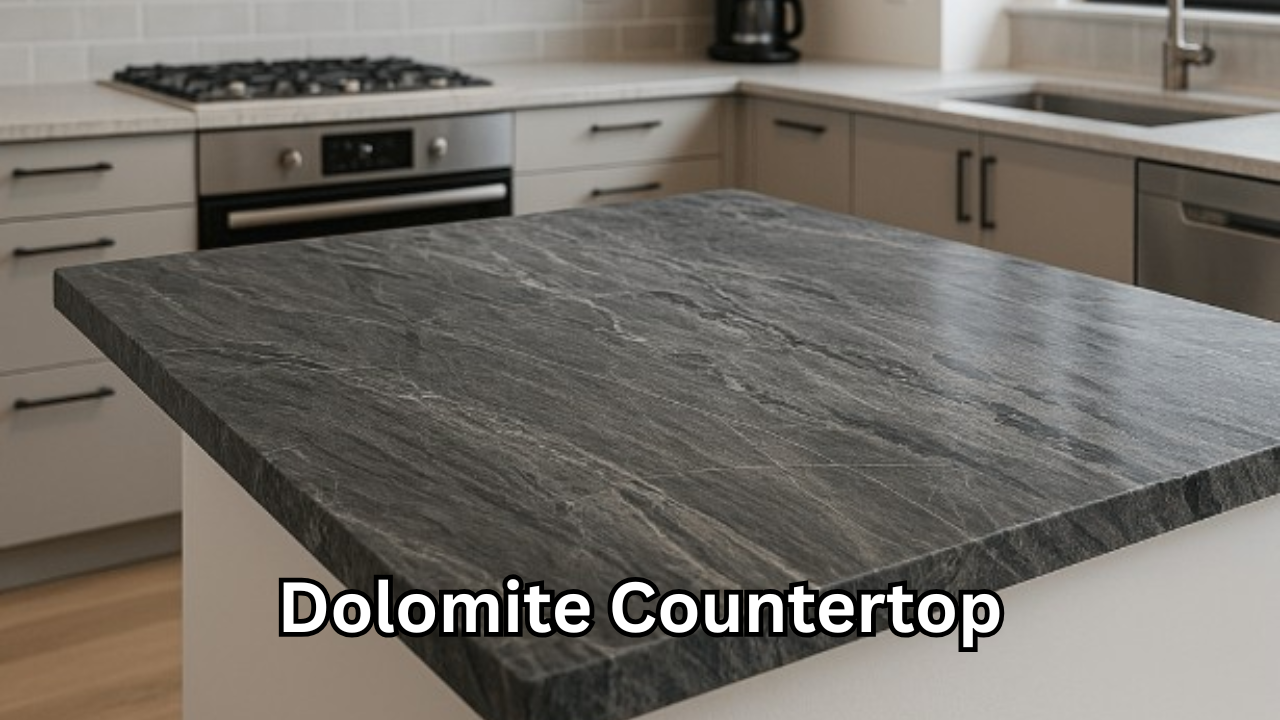
Dolomite countertop surfaces are quickly becoming one of the most sought-after materials in modern kitchens and bathrooms. Homeowners love the elegant appearance of marble but often worry about durability and maintenance. That’s where dolomite stands out. It offers the luxurious look of marble with enhanced strength and resistance, making it a smart and stylish investment.
If you’re considering upgrading your kitchen or bathroom, this in-depth guide will explain everything you need to know about dolomite countertop options, benefits, cost, maintenance, and how it compares to other popular materials. By the end, you’ll have all the information necessary to decide whether dolomite is the perfect fit for your home.
What Is a Dolomite Countertop?
A dolomite countertop is made from natural stone that contains a high percentage of the mineral dolomite, a type of limestone enriched with magnesium. While many people confuse dolomite with marble or quartzite, it has its own unique characteristics.
Dolomite stone forms under heat and pressure, similar to marble, but it tends to be harder and slightly more resistant to etching. The result is a countertop material that blends elegance and durability in a way that appeals to homeowners who want both performance and beauty.
Dolomite slabs are typically quarried from natural stone deposits around the world and then cut, polished, and fabricated into countertops for residential and commercial use.
Why Dolomite Countertops Are Gaining Popularity
Dolomite countertops have grown in popularity for several important reasons:
First, they provide a luxurious aesthetic. Many dolomite slabs feature soft white or gray backgrounds with subtle veining that resembles high-end marble.
Second, they are more durable than traditional marble. Dolomite is harder and less prone to scratches and etching, making it more suitable for busy kitchens.
Third, they offer excellent value. While not as inexpensive as some engineered materials, dolomite is generally more affordable than premium marble while delivering a similar appearance.
Finally, homeowners appreciate the uniqueness of natural stone. Each dolomite slab has its own pattern and character, ensuring that no two countertops are exactly alike.
Dolomite Countertop Appearance and Design Options
One of the biggest reasons people choose a dolomite countertop is the visual appeal. The stone often features:
Soft white or light gray backgrounds
Elegant, flowing veining
Subtle movement rather than bold contrasts
A refined, upscale appearance
Dolomite pairs beautifully with modern, transitional, and even farmhouse-style kitchens. It works well with white cabinetry, natural wood finishes, brushed gold hardware, and stainless steel appliances.
Depending on your design goals, you can choose from different finishes such as:
Polished finish for a glossy, reflective surface
Honed finish for a matte, smooth look
Leathered finish for a slightly textured surface
Each finish affects not only the appearance but also how the countertop feels and performs in daily use.
Dolomite Countertop vs Marble
Many homeowners compare dolomite countertops to marble because they look similar. However, there are key differences.
Marble is known for its beauty but is relatively soft and prone to etching from acidic substances like lemon juice or vinegar. Dolomite, on the other hand, is harder and more resistant to scratching and mild etching.
If you love the look of marble but worry about maintenance, dolomite can be an excellent alternative. It offers similar veining and color patterns but generally holds up better in active kitchens.
That said, dolomite is still a natural stone and not completely immune to damage. It requires sealing and proper care, just like marble.
Dolomite Countertop vs Quartzite
Quartzite is another popular natural stone often compared to dolomite. Quartzite is typically harder and more durable than both marble and dolomite. It is highly resistant to heat and scratching.
However, quartzite often features bolder patterns and can be more expensive. Dolomite provides a softer, more subtle look that many homeowners prefer for minimalist or classic designs.
If you want maximum durability, quartzite might be the better choice. But if you want a refined marble-like appearance with improved performance, dolomite countertops strike an excellent balance.
Dolomite Countertop vs Quartz
Quartz countertops are engineered stone surfaces made from crushed quartz and resin. They are non-porous, low maintenance, and extremely consistent in appearance.
In contrast, dolomite is a natural stone, which means it requires sealing and has natural variations. However, many homeowners prefer the authentic beauty and uniqueness of natural stone over the uniform look of quartz.
If low maintenance is your top priority, quartz may be ideal. If natural elegance and organic patterns matter most, dolomite countertops offer unmatched charm.
Dolomite Countertop Cost
The cost of a dolomite countertop depends on several factors, including slab quality, thickness, edge profile, and installation complexity.
On average, homeowners can expect to pay between $60 and $100 per square foot installed. Premium slabs with unique veining or imported varieties may cost more.
Several factors influence the total price:
Slab thickness
Custom edge designs
Cutouts for sinks and cooktops
Backsplash installation
Local labor rates
While dolomite is not the cheapest countertop option available, it provides excellent value for homeowners seeking a high-end look without the premium price of luxury marble.
Is Dolomite Durable for Kitchens?
Yes, dolomite countertops are durable enough for most kitchen applications. They are harder than marble and offer better resistance to scratches and etching.
However, they are not as tough as granite or quartzite. Heavy impacts can still cause chips, and acidic spills should be cleaned promptly to prevent surface damage.
For busy households, proper sealing and basic maintenance will go a long way in preserving the countertop’s appearance and longevity.
Heat Resistance of Dolomite Countertops
Dolomite is a natural stone and can tolerate moderate heat. You can place warm pots and pans on the surface briefly without immediate damage.
However, it is always recommended to use trivets or heat pads to prevent thermal shock or discoloration. Sudden extreme temperature changes can potentially cause cracking in natural stone surfaces.
Practicing caution will help maintain the beauty and integrity of your dolomite countertop over time.
Maintenance and Care Tips
Maintaining a dolomite countertop is relatively simple, but it does require attention.
Seal the surface regularly. Most professionals recommend sealing once a year, depending on usage.
Clean daily with a mild, pH-neutral cleaner designed for natural stone.
Avoid harsh chemicals, bleach, and acidic cleaners that may damage the surface.
Wipe up spills immediately, especially wine, citrus juice, coffee, and vinegar.
Use cutting boards to prevent scratches and protect the finish.
With proper care, dolomite countertops can last for decades while maintaining their elegant appearance.
Best Places to Install Dolomite Countertops
Dolomite works well in a variety of applications throughout the home.
Kitchen countertops
Kitchen islands
Bathroom vanities
Laundry rooms
Butler’s pantries
Because of its subtle elegance, dolomite enhances both small and large spaces. It creates a bright, open feeling in kitchens and adds a spa-like atmosphere in bathrooms.
Pros and Cons of Dolomite Countertops
Understanding both the advantages and disadvantages will help you make a confident decision.
Pros include:
Beautiful marble-like appearance
Greater durability than marble
Unique natural patterns
Good value for a high-end look
Cons include:
Requires sealing
Can still etch under acidic exposure
Not as hard as quartzite or granite
Natural variations may not suit everyone
When balanced carefully, the benefits often outweigh the drawbacks for homeowners who value aesthetics and moderate durability.
How to Choose the Right Dolomite Slab
Selecting the perfect dolomite slab involves more than just picking a color.
Visit a stone yard to view full slabs rather than small samples. Natural stone patterns vary significantly across the slab.
Check for consistency in veining if you want a cohesive look.
Inspect for cracks or excessive fissures.
Discuss finish options with your fabricator to match your design goals.
Taking time during the selection process ensures you end up with a countertop you truly love.
Is a Dolomite Countertop Right for You?
A dolomite countertop is an excellent choice for homeowners who want the elegance of marble with improved strength and durability. It offers a timeless aesthetic that complements a wide range of interior styles while delivering reliable performance in everyday use.
If you are willing to perform routine sealing and basic care, dolomite can provide decades of beauty and function. It strikes the perfect balance between luxury and practicality, making it a standout option in today’s competitive countertop market.
Whether you are remodeling your kitchen or designing a new bathroom, dolomite countertops offer sophistication, versatility, and lasting value. With proper installation and maintenance, this natural stone surface can transform your space into a refined and inviting environment that enhances both comfort and property value.
Also Read: Bathtub Refinishing Cost: Complete 2026 Guide to Pricing, Savings, and What to Expect

One thought on “Dolomite Countertop: The Complete Guide to Beauty, Durability, and Cost”
Comments are closed.