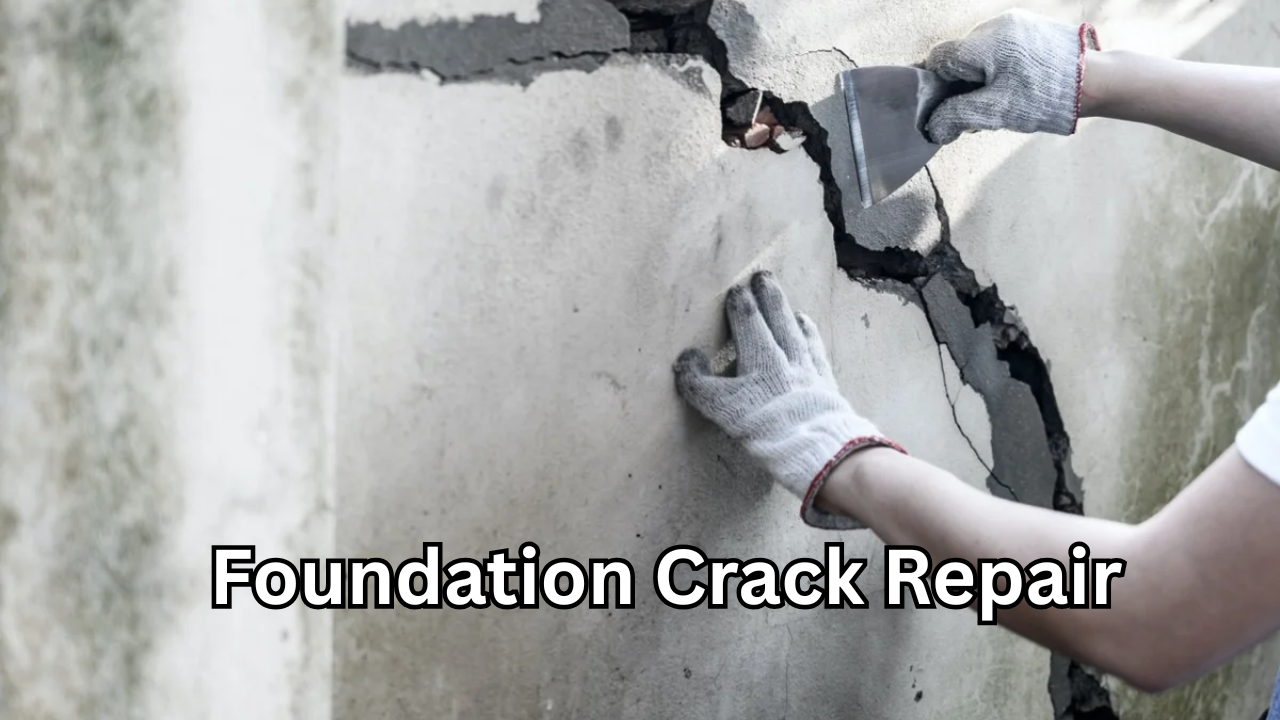
Your home’s foundation is its most critical structural element. Even small cracks can signal deeper issues if left unchecked. Foundation crack repair is not just about appearance—it preserves structural integrity, prevents water intrusion, and maintains property value. Understanding how cracks form, when they become serious, and how to address them helps homeowners make informed decisions before minor damage becomes costly repairs.
Why Foundation Cracks Should Never Be Ignored
Cracks in a foundation are more than cosmetic flaws. They often indicate shifting soil, moisture pressure, or material fatigue below the structure. Over time, these stresses can widen gaps, let moisture in, and weaken surrounding materials. Ignoring these signs can lead to uneven floors, sticking doors, mold, or even structural instability.
Early intervention reduces risk and expense. When homeowners act promptly, foundation crack repair becomes a targeted solution rather than a full-scale structural project. Timely action also helps preserve indoor air quality and prevents secondary damage to framing, drywall, and insulation.
Common Causes Behind Foundation Damage
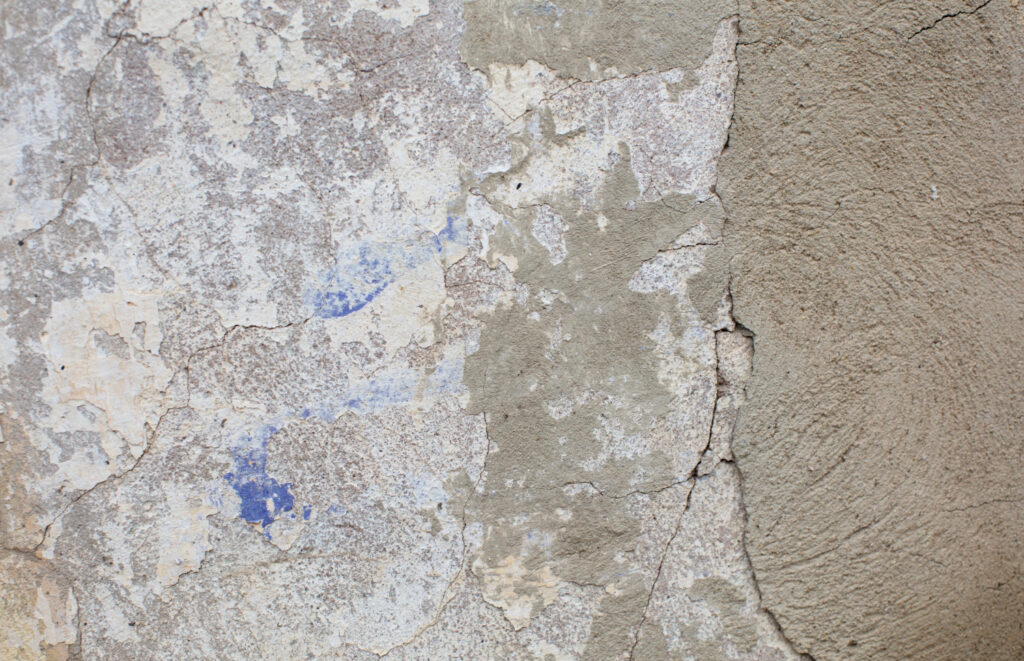
Most foundation problems originate below ground, where soil and moisture conditions often change. Expansive clay soils, for example, swell when wet and shrink when dry. This puts repeated stress on concrete. Poor drainage can make this worse by letting water collect near the footing.
Natural settling is another factor. As a house ages, its weight compresses the soil beneath it. While minor settling is normal, uneven settlement can lead to stress fractures. In colder climates, freeze-thaw cycles further aggravate the problem as trapped moisture expands and contracts within tiny concrete pores.
Types of Foundation Cracks and What They Mean
Not all cracks have the same level of risk. Hairline cracks are often superficial and may result from concrete shrinkage. Vertical cracks can signal normal settling, but still need monitoring. Horizontal cracks are more concerning. They often point to lateral soil pressure pushing on foundation walls.
Stair-step cracks in masonry foundations suggest uneven movement and should never be dismissed. Understanding crack patterns helps determine whether foundation crack repair is preventive or structurally necessary, guiding homeowners toward the right solution rather than a one-size-fits-all approach.
Foundation Crack Repair Methods Explained
Modern foundation crack repair is more advanced than simple patching. Professionals assess the crack’s width, depth, and cause before recommending a solution. The goal is not just to fill a gap but to restore strength and stop recurrence.
Common approaches include:
- Epoxy injections, which bond concrete back together for structural cracks
- Polyurethane foam injections are ideal for stopping active water leaks.
- Carbon fiber reinforcement is used to stabilize walls under lateral pressure.
Each method serves a specific purpose. Choosing the right one ensures the repair addresses the underlying issue rather than masking visible damage.
DIY Fixes vs. Professional Solutions
Many homeowners try do-it-yourself options for small cracks. Surface sealants may temporarily block moisture, but they rarely solve the core problem. Without proper diagnosis, DIY can delay needed intervention and allow hidden damage to worsen.
Professional assessment brings experience, specialized tools, and warranties that protect your investment. Trained technicians can determine whether soil conditions, drainage, or structural forces are at play, making foundation crack repair a long-term solution rather than a short-lived fix.
How Water Intrusion Makes Cracks Worse
Water is one of the most destructive forces affecting foundations. Once moisture enters a crack, it can erode surrounding material and weaken reinforcement steel. In colder regions, trapped water freezes and expands, widening cracks over time.
Proper foundation crack repair often includes waterproofing measures to prevent future intrusion. This may involve exterior drainage improvements, interior sealants, or upgrades to the sump system. Addressing water management alongside crack stabilization dramatically improves repair longevity.
Cost Factors Homeowners Should Understand
The cost of foundation crack repair varies by severity, location, and method. Minor non-structural cracks may cost much less than repairs that need wall stabilization or waterproofing. Accessibility also matters. Cracks in finished basements may require more labor to reach.
While it’s tempting to choose the lowest estimate, quality and durability should guide the decision. Investing in a proven solution reduces the likelihood of repeat repairs and protects resale value, making the expense more predictable over time.

Choosing the Right Contractor for the Job
Choosing a qualified professional is as important as the repair. Look for contractors with foundation experience, clear inspection processes, and clear explanations of their methods. Reputable providers will document their findings, explain the risks, and offer warranties that demonstrate confidence in their work.
A trustworthy expert treats foundation crack repair as part of a larger system, considering drainage, soil conditions, and structural load. This holistic approach ensures repairs perform as intended long after the work is complete.
Long-Term Prevention and Maintenance Tips
Once repairs are complete, prevention becomes the priority. Maintaining consistent moisture levels around the foundation helps reduce soil movement. Simple steps like extending downspouts, grading soil away from the home, and monitoring indoor humidity can make a significant difference.
Routine inspections allow homeowners to catch new cracks early. With proactive care, foundation crack repair is rare rather than a recurring concern.
Conclusion: Protecting Your Home Starts Below Ground
A strong foundation supports everything above it, making crack issues too important to ignore. Don’t wait until minor cracks become severe. Contact a trusted professional today to assess your home’s foundation and ensure lasting protection. Take proactive steps now to safeguard your property’s value and your peace of mind for years to come.
Also Read: AC Not Blowing Cold Air: The Frustrating Truth Every Homeowner Must Know

2 thoughts on “Foundation Crack Repair: The Powerful, Safe Way to Protect Your Home”