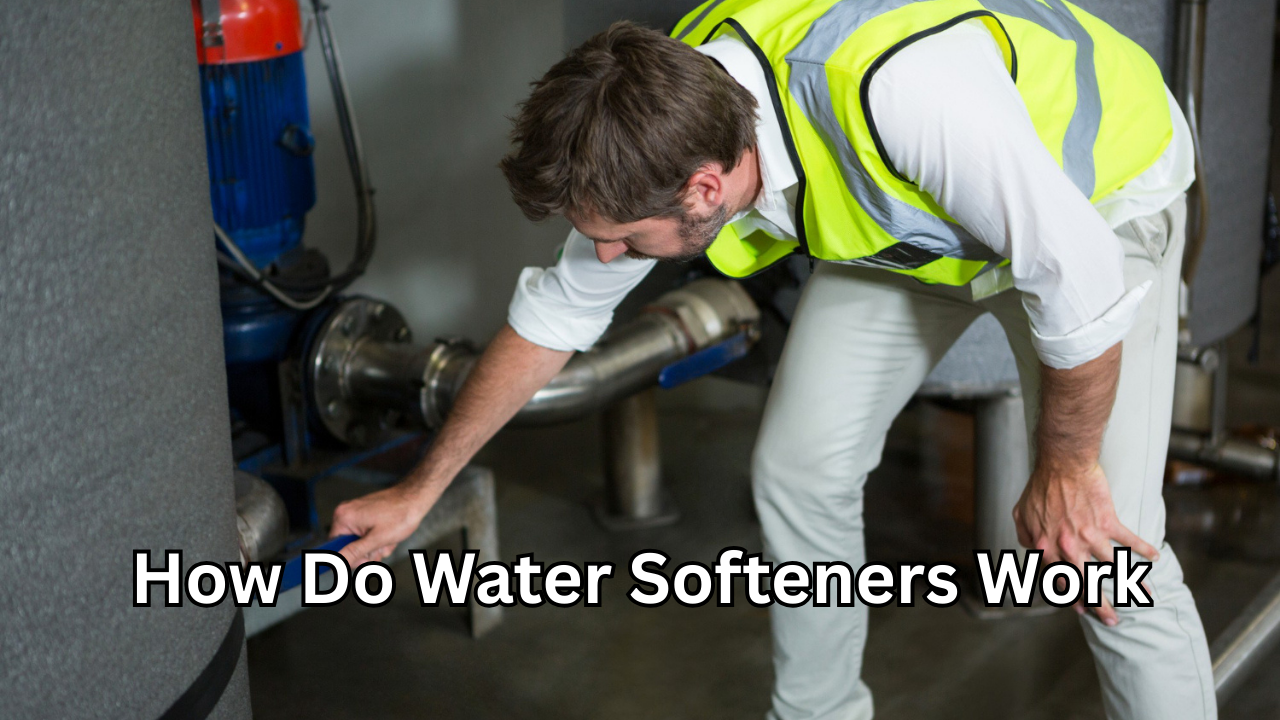
How Do Water Softeners Work – Hard water is a common issue in homes across the world. If you’ve noticed white chalky residue on faucets, dull laundry, dry skin after showers, or reduced appliance efficiency, chances are you’re dealing with mineral-heavy water. This leads many homeowners to ask an important question: how do water softeners work?
In this comprehensive guide, we’ll break down the science behind water softening, explain the different types of systems available, and help you understand why installing a water softener can be a smart long-term investment for your home.
What Is Hard Water?
Before explaining how do water softeners work, it’s essential to understand what hard water actually is.
Hard water contains high levels of dissolved minerals, primarily calcium and magnesium. As water travels through soil and rock, it picks up these minerals. While hard water is not harmful to your health, it can cause a wide range of household problems, including:
- Limescale buildup in pipes and appliances
- Reduced efficiency of water heaters
- Soap scum in sinks and showers
- Stiff, faded laundry
- Dry skin and brittle hair
The higher the mineral concentration, the harder the water. A water softener works by removing or neutralizing these minerals before the water enters your home’s plumbing system.
How Do Water Softeners Work? The Basic Principle
At its core, a traditional water softener works through a process called ion exchange.
Here’s the simple explanation:
Hard water contains calcium and magnesium ions. A water softener replaces these hard mineral ions with sodium or potassium ions. Because sodium and potassium do not create scale buildup, the water becomes “soft.”
Let’s break it down step by step.

The Ion Exchange Process Explained
The ion exchange process is the heart of most water softening systems. It happens inside a component called the resin tank.
Inside the resin tank are tiny resin beads made of plastic-like material. These beads are negatively charged and are coated with sodium ions.
When hard water flows through the tank:
- The calcium and magnesium ions (which carry a positive charge) are attracted to the negatively charged resin beads.
- The beads release sodium ions into the water.
- The calcium and magnesium stick to the resin beads.
- The water leaving the tank is now soft because the hardness minerals have been removed.
This exchange continues until the resin beads become saturated with calcium and magnesium. Once that happens, the system needs to regenerate.
What Is Regeneration in a Water Softener?
Regeneration is the cleaning process that restores the resin beads so they can continue softening water.
During regeneration:
- The system flushes a highly concentrated saltwater solution (brine) from the brine tank into the resin tank.
- The high concentration of sodium forces the calcium and magnesium off the resin beads.
- The hardness minerals are washed away into a drain.
- The resin beads are recharged with sodium ions and ready to soften water again.
This process typically occurs automatically, often during the night when water usage is low.
Understanding regeneration is key when learning how do water softeners work, because it explains how the system keeps functioning continuously.
Main Components of a Water Softener
To fully understand how do water softeners work, it helps to know the primary parts of the system.
Resin Tank
This is where the ion exchange process takes place. It contains the resin beads that remove calcium and magnesium from the water.
Brine Tank
The brine tank holds salt and water. It creates the salt solution used during regeneration to recharge the resin beads.
Control Valve
The control valve manages water flow and schedules regeneration cycles. Modern systems often include digital timers or smart sensors that trigger regeneration based on actual water usage.
Each component plays a vital role in ensuring your home receives a consistent supply of soft water.
Types of Water Softeners
While ion exchange systems are the most common, there are different types of water softeners available.
Salt-Based Water Softeners
These are traditional systems that use the ion exchange process described above. They are highly effective at removing hardness minerals and are ideal for homes with very hard water.
Salt-Free Water Conditioners
Salt-free systems do not remove calcium and magnesium. Instead, they alter the structure of the minerals so they don’t stick to surfaces as scale. These systems require less maintenance but may not be as effective in extremely hard water areas.
Dual-Tank Water Softeners
Dual-tank systems have two resin tanks. While one tank regenerates, the other continues softening water. This ensures uninterrupted access to soft water, making them ideal for large households.
Magnetic or Electronic Descalers
These devices use electromagnetic waves to alter mineral behavior. However, they do not physically remove minerals and are generally less reliable than traditional ion exchange systems.
When deciding which system is right for you, consider your water hardness level, household size, and budget.
Benefits of Installing a Water Softener
Now that you understand how do water softeners work, let’s explore the benefits of having one installed in your home.
Longer Appliance Lifespan
Hard water causes scale buildup inside water heaters, dishwashers, and washing machines. Over time, this reduces efficiency and shortens appliance life. Soft water prevents mineral deposits and helps appliances run more efficiently.
Reduced Energy Bills
Scale buildup in water heaters forces them to work harder. Soft water improves heating efficiency, which can lower energy consumption.
Cleaner Dishes and Fixtures
Soft water eliminates spots and residue on glassware, faucets, and shower doors. Cleaning becomes easier and requires fewer harsh chemicals.
Softer Skin and Hair
Hard water can leave soap residue on skin and hair, leading to dryness and irritation. Soft water rinses more effectively, improving comfort after bathing.
Better Laundry Results
Clothes washed in soft water feel softer, look brighter, and last longer. Detergent also works more efficiently in soft water, meaning you can use less.
These benefits explain why so many homeowners invest in water softening systems.
How to Know If You Need a Water Softener
If you’re still wondering how do water softeners work and whether you need one, watch for these signs:
- White scale buildup on faucets and showerheads
- Soap that doesn’t lather well
- Spots on dishes after washing
- Reduced water pressure due to pipe buildup
- Dry, itchy skin after showers
You can also purchase a simple water hardness test kit or request a professional water test to measure mineral levels in your home’s water supply.
Maintenance Requirements for Water Softeners
Understanding how do water softeners work also includes knowing how to maintain them properly.
Regular Salt Refilling
The brine tank must have sufficient salt to ensure proper regeneration. Most households need to refill salt once a month, but this depends on water usage and hardness level.
Cleaning the Brine Tank
Over time, salt can form a crust or “salt bridge.” Periodic cleaning prevents blockages and ensures efficient operation.
Resin Replacement
Resin beads typically last 10 to 15 years. After that, they may need replacement to maintain optimal performance.
Routine maintenance keeps the system running efficiently and extends its lifespan.
Environmental Considerations
Some homeowners are concerned about the environmental impact of salt-based systems. These systems discharge small amounts of salt into wastewater during regeneration.
In certain regions, regulations limit salt-based softeners. In such cases, salt-free alternatives or high-efficiency systems may be recommended.
Modern water softeners are much more efficient than older models, using less salt and water during regeneration.

Cost of Installing a Water Softener
The cost varies depending on system type, home size, and installation requirements.
Factors that influence pricing include:
- Water hardness level
- Household water consumption
- Brand and features
- Professional installation fees
While there is an upfront investment, the long-term savings on appliances, plumbing repairs, cleaning products, and energy bills often outweigh the initial cost.
Common Myths About Water Softeners
There are several misconceptions surrounding how do water softeners work.
Myth: Soft Water Is Unsafe to Drink
Soft water is generally safe for most people. However, individuals on very strict low-sodium diets may prefer potassium-based systems.
Myth: Water Softeners Remove All Contaminants
Water softeners only remove hardness minerals. They do not filter bacteria, chemicals, or heavy metals. If you need purification, you may require a separate filtration system.
Myth: They Waste Too Much Water
Modern high-efficiency systems are designed to minimize water use during regeneration cycles.
Understanding the facts helps you make an informed decision.
Final Thoughts: Is a Water Softener Worth It?
So, how do water softeners work? In simple terms, they remove hardness minerals like calcium and magnesium through ion exchange, replacing them with sodium or potassium. This process prevents scale buildup, improves cleaning performance, and extends the lifespan of your plumbing and appliances.
If your home struggles with hard water issues, installing a water softener can significantly improve daily comfort and long-term savings. From softer laundry to lower energy bills, the advantages are clear.
Investing in the right system for your household ensures a steady supply of soft water and protects your home’s plumbing infrastructure for years to come.
By understanding how do water softeners work, you can confidently choose the best solution for your needs and enjoy the benefits of cleaner, more efficient water throughout your home.
Also Read: Black and White Bathroom: Timeless Design Ideas, Modern Trends, and Expert Tips for a Stunning Space
2 thoughts on “How Do Water Softeners Work? A Complete Guide to Understanding and Choosing the Right System”
Comments are closed.