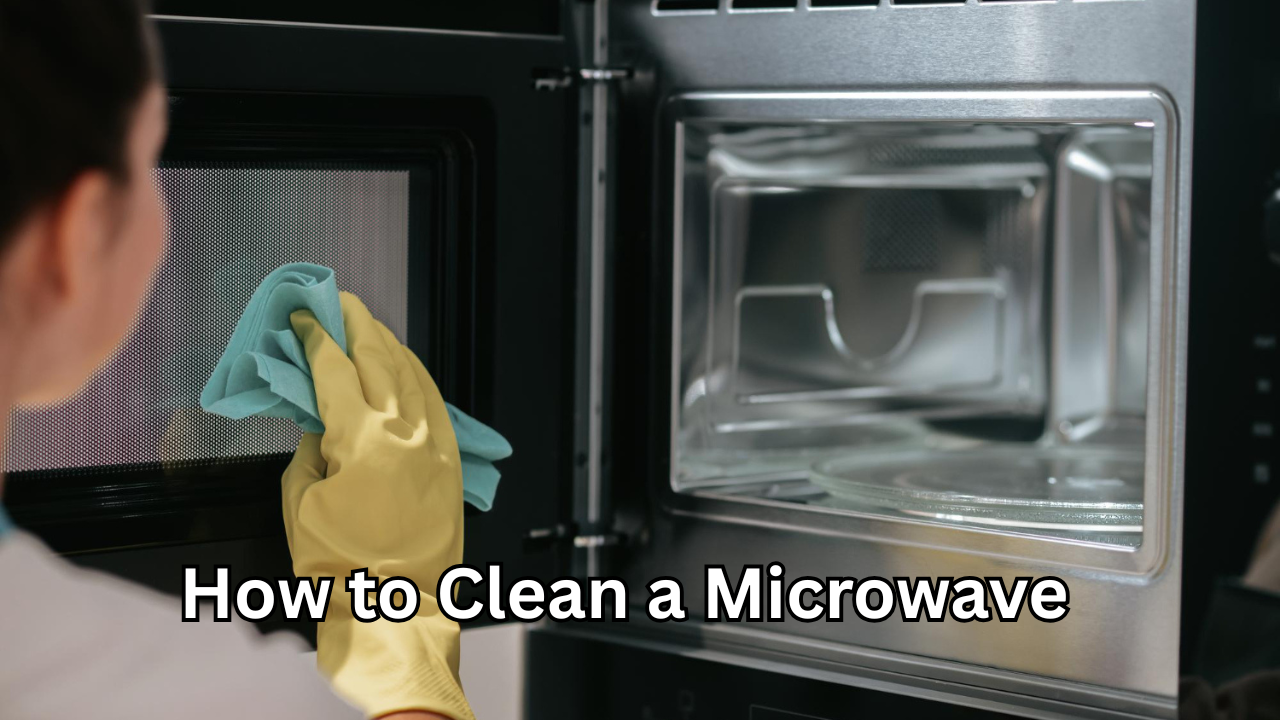
how to clean a microwave – A dirty microwave isn’t just unpleasant to look at—it can affect food taste, create lingering odors, and even become a hygiene issue over time. Learning how to clean a microwave properly helps you maintain a healthier kitchen, extend the appliance’s lifespan, and avoid stubborn messes that only get worse with neglect. This guide walks you through safe, effective, and proven methods that work for everyday spills as well as baked-on grime, all without harsh chemicals or guesswork.
Why Microwave Cleaning Matters More Than You Think
Microwaves are used almost daily, yet they’re often one of the most overlooked appliances when it comes to regular cleaning. Food splatters, steam, and grease particles build up quickly on interior walls, the ceiling, and the turntable. Over time, this residue hardens, traps odors, and can even cause uneven heating.
Beyond appearance, cleanliness affects performance. Excess buildup can interfere with heat distribution and airflow. A well-maintained microwave runs more efficiently, smells fresher, and is simply more pleasant to use. Regular care also reduces the need for aggressive scrubbing later, saving both time and effort.
What You Should Do Before You Start
Before cleaning, always unplug the microwave or ensure it’s completely powered off. This simple step prevents accidental activation and improves safety. Remove the glass turntable and roller ring so they can be cleaned separately. These parts usually collect the most residue and are often dishwasher-safe, but hand washing works just as well.
It’s also important to avoid abrasive pads or strong chemical cleaners. Microwaves have protective interior coatings that can be damaged easily. Gentle, moisture-based methods are both safer and more effective in the long run.
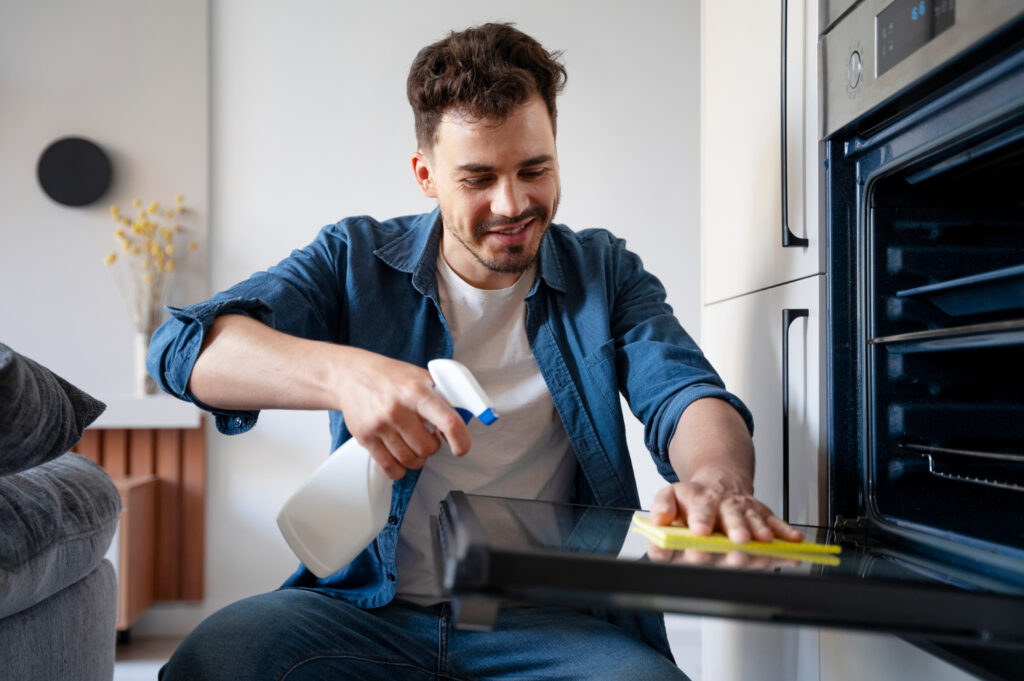
How to Clean a Microwave Using Steam Power
Steam is the most efficient and appliance-safe way to loosen dried-on food and grease. This method relies on heat and moisture rather than force, making it ideal for routine maintenance and deep cleaning alike.
Start by filling a microwave-safe bowl with water. You can enhance odor removal by adding lemon slices or a splash of white vinegar. Heat the bowl until the water boils and produces visible steam, then leave the door closed for several minutes. The steam softens residue on all interior surfaces, allowing you to wipe everything away with minimal effort.
After steaming, use a soft cloth or sponge to clean the walls, ceiling, and door interior. Most messes should come off easily without scrubbing. This approach not only cleans effectively but also deodorizes the appliance naturally.
Tackling Stubborn Stains and Odors
Sometimes spills are left too long and become baked on. In these cases, repetition and patience matter more than force. Repeating the steam process once or twice usually loosens even the toughest residue. For targeted spots, dip a cloth in warm vinegar water and hold it against the stain briefly before wiping.
Persistent odors often come from trapped grease rather than visible mess. Baking soda is especially useful here. Leaving an open container inside the microwave overnight absorbs lingering smells without introducing artificial fragrances. This method is safe, inexpensive, and surprisingly effective.
Cleaning the Turntable and Accessories
The glass turntable should be cleaned regularly since it comes into direct contact with food spills. Warm soapy water is usually enough, but for hardened residue, soaking it briefly makes removal easier. Avoid sudden temperature changes, as hot water on a cold glass plate can cause cracking.
The roller ring beneath the turntable should also be wiped clean. Grease buildup here can cause the plate to rotate unevenly, leading to spills and noise during operation. Keeping these components clean improves both function and user experience.
Safe Exterior Cleaning for a Polished Look
While interior cleanliness is critical, the exterior shouldn’t be ignored. The control panel, handle, and door collect fingerprints, grease, and bacteria from frequent contact. A lightly damp microfiber cloth works well for daily wipe-downs.
For stainless steel models, follow the grain of the metal to avoid streaks. Never spray liquid directly onto the control panel. Instead, apply cleaner to the cloth first to prevent moisture from seeping into sensitive electronics.
How Often Should You Clean Your Microwave?
Consistency matters more than intensity. Light cleaning once a week prevents buildup and makes deep cleaning unnecessary. If you use your microwave heavily or frequently heat foods that splatter, a quick wipe every few days is even better.
Understanding how to clean a microwave on a regular schedule helps maintain hygiene without turning it into a time-consuming chore. Small habits, like covering food while heating, also reduce mess significantly.
Common Mistakes to Avoid
One of the biggest mistakes people make is using abrasive scrubbers or harsh chemicals. These can scratch interior surfaces and leave chemical residues behind. Another common error is ignoring the ceiling and door seals, where grease often accumulates unnoticed.
It’s also unwise to delay cleaning after a spill. Fresh messes are far easier to remove than dried-on stains. Addressing issues early keeps the appliance in better condition overall.

Natural Cleaning Solutions vs. Commercial Products
Many commercial microwave cleaners promise instant results, but natural solutions are often just as effective and far safer. Vinegar, lemon, and baking soda clean thoroughly without exposing your household to unnecessary chemicals.
Natural methods are especially appealing for families concerned about food safety. Since microwaves are used to heat meals directly, avoiding chemical residue is a smart and responsible choice.
Maintaining Long-Term Cleanliness
Prevention is the final step in mastering how to clean a microwave effectively. Using microwave-safe covers, wiping condensation after use, and performing quick weekly cleanings all help maintain a fresh interior. These small habits reduce odors, protect surfaces, and make the appliance more enjoyable to use.
Over time, consistent care also preserves resale value and reduces the likelihood of mechanical issues caused by internal buildup.
Conclusion: A Cleaner Microwave Made Simple
Knowing how to clean a microwave doesn’t require special tools, expensive products, or complicated steps. With steam-based methods, gentle cleaners, and a regular routine, you can keep your microwave spotless, odor-free, and running efficiently. A few minutes of care each week delivers long-term benefits, making your kitchen cleaner, safer, and more comfortable for everyday cooking.
Also Read: Gas Furnace Repair: Powerful Solutions for Safe and Reliable Home Heating



One thought on “How to Clean a Microwave Fast: A Powerful, Stress-Free Solution”
Comments are closed.