
Knowing how to clean ac drain line properly can save you from water damage, foul odors, and unexpected air conditioner breakdowns. A clogged condensate drain line is one of the most common — and most overlooked — AC problems homeowners face. When moisture can’t drain correctly, it backs up into your system or home, leading to mold growth and expensive repairs. This guide walks you through everything you need to know, using safe, proven methods that keep your cooling system efficient and reliable.
Why a Clean AC Drain Line Matters More Than You Think
Your air conditioner removes humidity from indoor air as it cools. That moisture collects and flows through the condensate drain line to the outside. When dirt, algae, or debris block that line, water has nowhere to go.
Over time, clogs can cause your AC to shut down, leak water near the indoor unit, or develop unpleasant smells. Learning how to clean ac drain line regularly helps prevent these issues while extending the life of your HVAC system.
Common Signs Your AC Drain Line Is Clogged
Most homeowners don’t realize there’s a problem until symptoms become obvious. One early warning sign is water pooling near the indoor unit. You may also notice musty odors coming from vents or the AC cycling off unexpectedly.
In some cases, a safety float switch shuts the system down to prevent flooding. If this happens repeatedly, it’s often due to a dirty drain line that needs immediate attention.
How the AC Drain Line Works
The drain line is typically a PVC pipe connected to the indoor evaporator coil. As warm air passes over the coil, condensation forms and drips into a drain pan before flowing out through the pipe.
Dust, insulation fibers, algae, and even insects can accumulate inside the pipe. Without routine maintenance, buildup slowly narrows the passage until water flow stops completely.
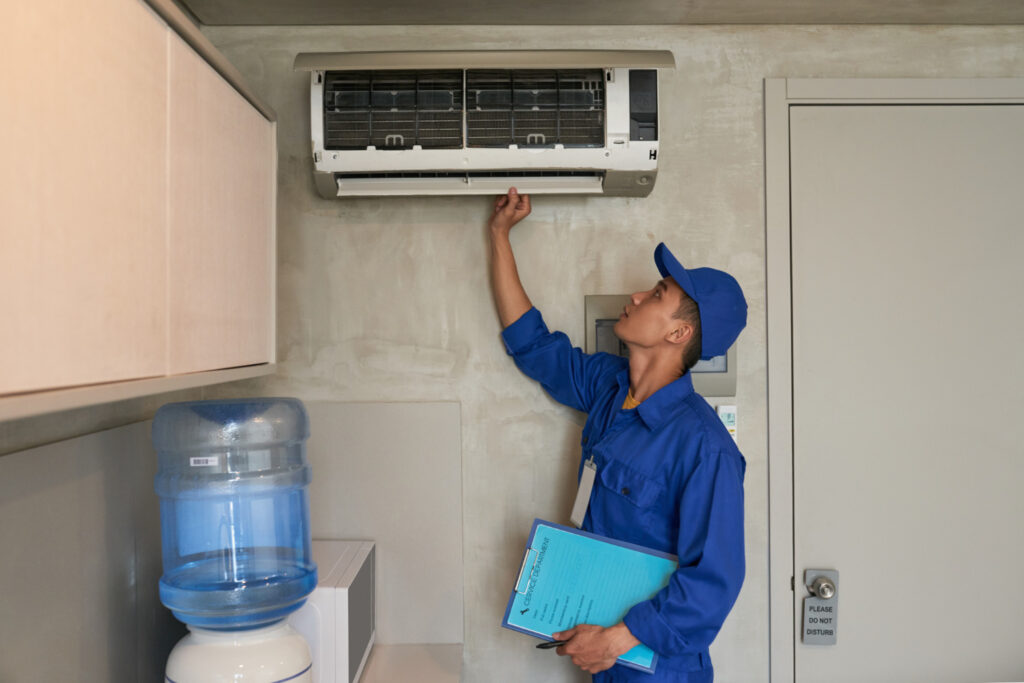
How to Clean AC Drain Line Safely at Home
Understanding how to clean ac drain line at home doesn’t require advanced tools, but it does require care. Start by turning off the power to your AC at the thermostat and breaker. This protects both you and the system during cleaning.
Locate the drain line access point near the indoor unit. Remove the cap carefully and inspect for visible debris. Many homeowners use a wet/dry vacuum connected to the outdoor drain outlet to suction out blockages. This method is effective and minimizes mess.
Cleaning Solutions That Actually Work
Once loose debris is removed, flushing the line helps eliminate algae and bacteria. A mixture of distilled vinegar and warm water is widely recommended because it’s effective and non-corrosive. Pour the solution slowly into the access opening and let it sit before flushing with clean water.
Avoid harsh chemicals like bleach unless specifically recommended by the manufacturer. While bleach can kill mold, it may damage older pipes or harm nearby landscaping when discharged outdoors.
How Often Should You Clean the Drain Line?
Frequency depends on climate and system usage. In humid regions, algae grows faster, increasing the risk of clogs. Most HVAC professionals recommend cleaning the line every three to six months.
If your AC runs year-round, learning how to clean ac drain line seasonally can prevent emergency shutdowns and reduce long-term maintenance costs.
Preventive Maintenance Tips That Reduce Future Clogs
Prevention is easier than dealing with a flooded drain pan. Regularly changing air filters reduces dust entering the system. Keeping the area around the indoor unit clean also limits debris from entering the drain line.
Some homeowners install drain line tablets designed to slow algae growth. Used correctly, these tablets can reduce how often you need to perform a deep cleaning.
When DIY Cleaning Is Not Enough
While basic cleaning works in most cases, severe blockages may require professional tools like pressurized nitrogen or specialized brushes. If water continues to back up after repeated attempts, it’s time to call a licensed HVAC technician.
Ignoring stubborn clogs can damage internal components and void warranties. Knowing how to clean ac drain line is valuable, but recognizing your limits is just as important.
Health and Safety Considerations
Standing water in a clogged drain line can become a breeding ground for mold and bacteria. These contaminants may spread through your home via the HVAC system, affecting indoor air quality.
Wearing gloves and eye protection during cleaning reduces exposure to mold spores. Always dispose of vacuumed debris properly to avoid recontamination.

Professional Maintenance vs. DIY Cleaning
DIY cleaning is cost-effective for routine maintenance, but professional servicing offers deeper inspection. Technicians can identify hidden issues like cracked drain pans or improper line slope.
Combining professional annual checkups with homeowner knowledge of how to clean ac drain line creates a balanced maintenance approach that protects both comfort and investment.
Environmental Impact of a Clogged Drain Line
An inefficient AC works harder to cool your home, consuming more electricity. Blocked drainage can also cause the system to shut down repeatedly, increasing wear and energy usage.
Keeping the drain line clear supports energy efficiency and reduces your home’s carbon footprint without major upgrades.
Final Thoughts: Keep Your AC Running Smoothly
Mastering how to clean ac drain line is a simple yet powerful step toward preventing water damage, mold growth, and system failure. With regular attention, basic tools, and safe cleaning solutions, most homeowners can handle routine maintenance confidently.
A clean drain line means better efficiency, healthier indoor air, and fewer surprise repairs. Make it part of your seasonal home care routine, and your air conditioner will reward you with reliable performance when you need it most.
Also Read: Thermostat Wiring: The Complete Positive Guide for Safe, Accurate Installation



One thought on “How to Clean AC Drain Line: Powerful Tips to Prevent Costly Damage”
Comments are closed.