Knowing how to unclog a drain can save you time, money, and the frustration of standing water slowly creeping up your sink or shower. Whether it’s a kitchen sink that won’t drain or a bathroom pipe that backs up at the worst moment, clogs are a common household problem that often start small and grow worse when ignored. This guide explains practical, safe, and reliable methods to restore proper drainage while helping you understand when it’s time to call a professional.
Why Drains Get Clogged in the First Place
Most drain problems don’t happen overnight. They form gradually as everyday materials accumulate inside the pipes. In kitchens, grease, oil, and food scraps are the biggest culprits. Bathrooms tend to suffer from hair, soap residue, toothpaste, and mineral deposits from hard water.
These materials cling to pipe walls, narrowing flow and slowing drainage. Even small debris can eventually create a full blockage. Identifying the cause of the clog allows for safer, more effective solutions.
Early Warning Signs You Shouldn’t Ignore
Clogs usually give early warning signs such as slow drainage, gurgling sounds, or unpleasant odors. Water backing up in sinks, tubs, or floor drains indicates a more severe blockage.
Act early to avoid aggressive methods and reduce pipe damage. Minor clogs are easier to fix than compacted ones.
How to Unclog a Drain Using Simple Household Methods
Unclogging a drain safely often starts with household tools and materials. These methods work well on light to moderate clogs and won’t harm plumbing when used correctly.
Hot water flushing is simple: pour hot (not boiling) water down the drain to soften grease and soap buildup, helping it move through the pipe. This is best for mild grease buildup in kitchen sinks.
Baking soda and vinegar help loosen and break down buildup. Let the mixture sit, then flush with warm water to restore flow.
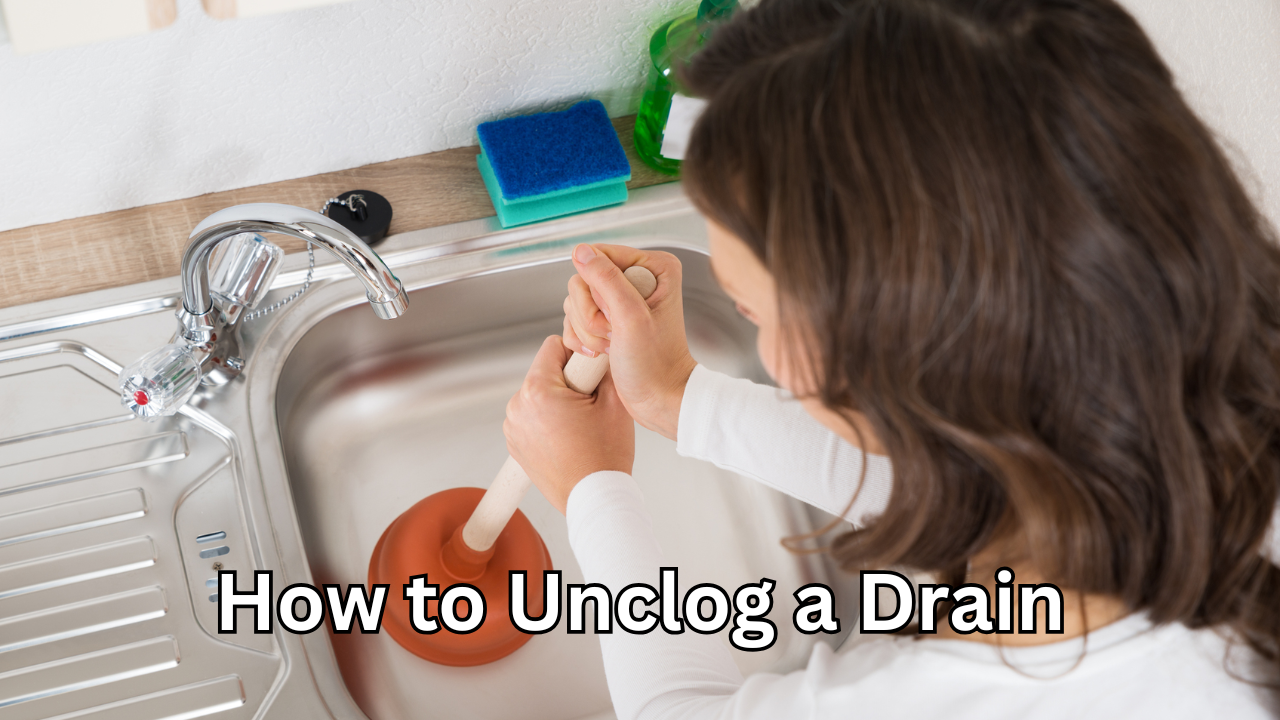
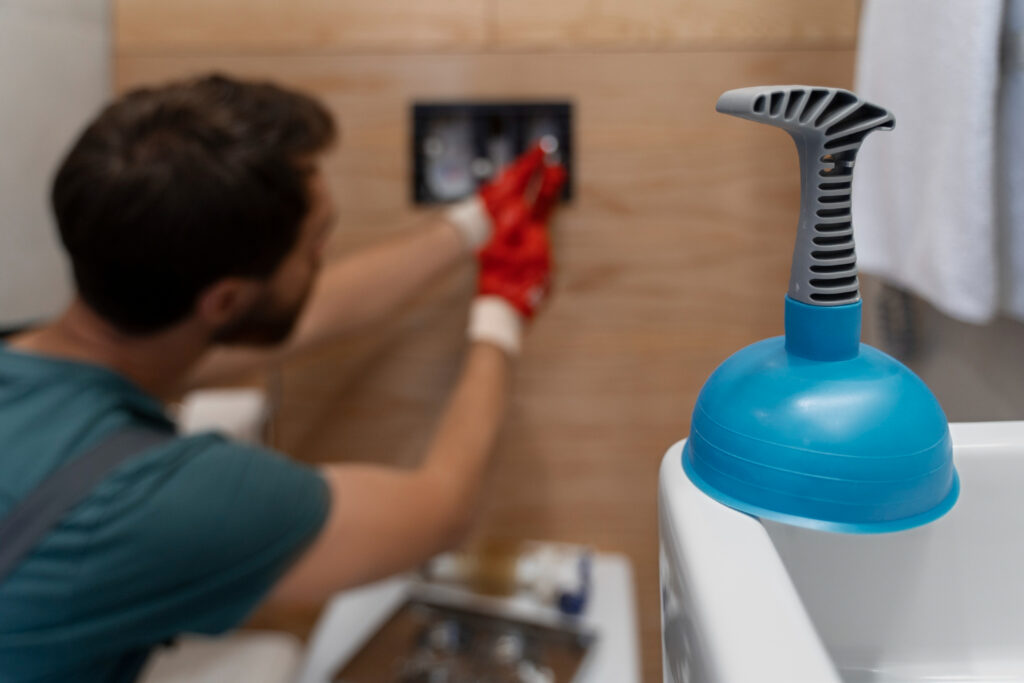
A standard plunger can also be surprisingly effective. By exerting pressure and suction, it can dislodge clogs near the drain opening, especially in sinks and tubs.
When Manual Tools Work Better Than Chemicals
Chemical cleaners may deliver fast results, but often come with risks. Repeated use can corrode pipes, harm seals, and damage septic systems. Mechanical tools are often safer and more effective.
A drain snake, or auger, reaches into pipes to break up hair and compacted debris. These tools work well in bathroom drains where hair is the main issue. Used carefully, they remove the entire blockage.
For surface clogs, remove and clean the drain stopper. Many bathroom clogs sit below the stopper and can be cleared by hand.
Kitchen vs. Bathroom Drains: Different Problems, Different Fixes
Kitchen drains usually clog due to grease and food particles. Even with a garbage disposal, fats and oils can solidify inside pipes. Running cold water while using the disposal and avoiding the disposal of grease help prevent future issues.
Bathroom drains are prone to hair and soap scum, which combine to form blockages that trap more debris. A hair catcher reduces buildup and extends the lifespan of the pipe.
Knowing the difference between kitchen and bathroom drains lets you choose the right solution instead of a one-size-fits-all approach.
Common Mistakes That Make Clogs Worse
Many homeowners unknowingly make clogs harder to remove. Pouring boiling water into PVC pipes can cause warping or joint failure. Overusing chemical cleaners may temporarily improve flow but leave behind hardened residue.
Ignoring recurring slow drains is another common mistake. Repeated clogs usually indicate a deeper issue, such as a blocked main line or a bad pipe slope. Address the root cause early to avoid costly repairs.
When DIY Isn’t Enough
Sometimes home methods won’t solve the problem. If multiple drains back up or water appears in floor drains, the issue may be in the main sewer line.
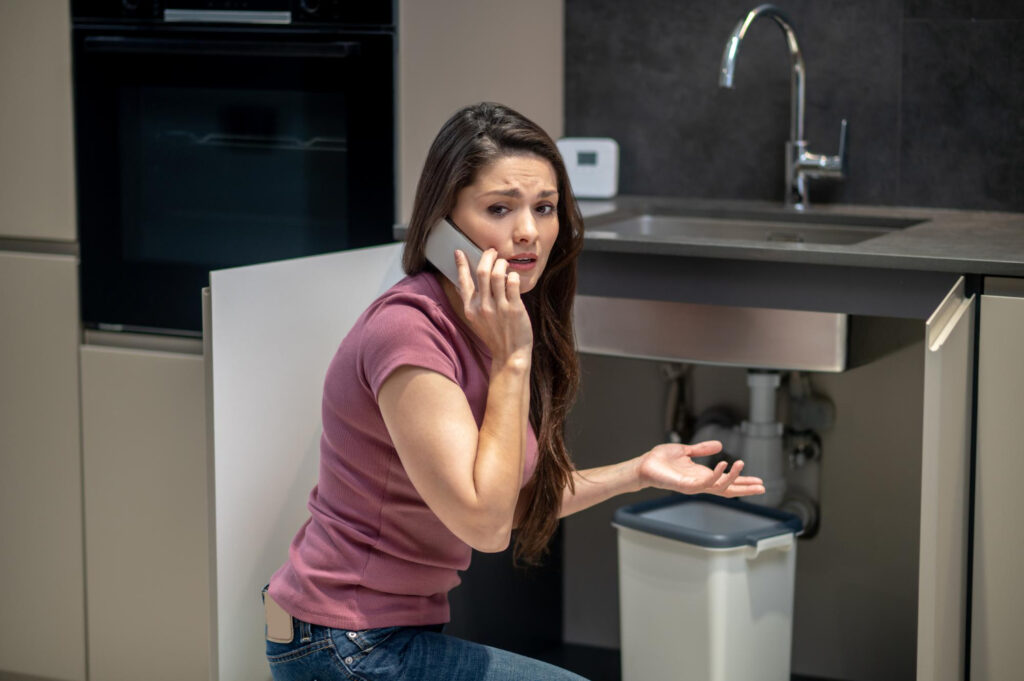
Professional plumbers use specialized equipment, including motorized augers and camera inspections, to safely identify and resolve severe blockages. Calling a professional early can prevent water damage and protect your plumbing system.
Preventive Habits That Keep Drains Clear
Prevention is easier than repair. Daily habits greatly reduce clog risks. Avoid pouring grease, use strainers, and regularly flush drains with warm water.
Routine maintenance, such as monthly baking soda flushes, helps prevent buildup before it becomes a blockage. These simple practices extend the life of your plumbing and reduce the need for emergency repairs.
Understanding Long-Term Drain Health
Knowing how to unclog a drain is useful, but healthy pipes require more than that. Aging pipes, mineral buildup, and root intrusion also affect drainage.
Frequent clogs despite good habits may require a professional inspection. Early solutions protect your home and ensure reliable drainage.
Final Thoughts: Clear Drains, Less Stress
Clogged drains are frustrating but manageable with the right approach. Spot early signs, use safe home methods, and seek help when needed to keep your plumbing running smoothly.
To keep your drains clear and stress-free, remember these key takeaways: notice warning signs early, try safe home methods first, seek professional help for recurring or severe issues, practice daily preventive habits, and address long-term pipe health to protect your home over time.
Also Read: Foundation Crack Repair: The Powerful, Safe Way to Protect Your Home

One thought on “How to Unclog a Drain: Powerful, Safe, and Proven Solutions That Actually Work”
Comments are closed.