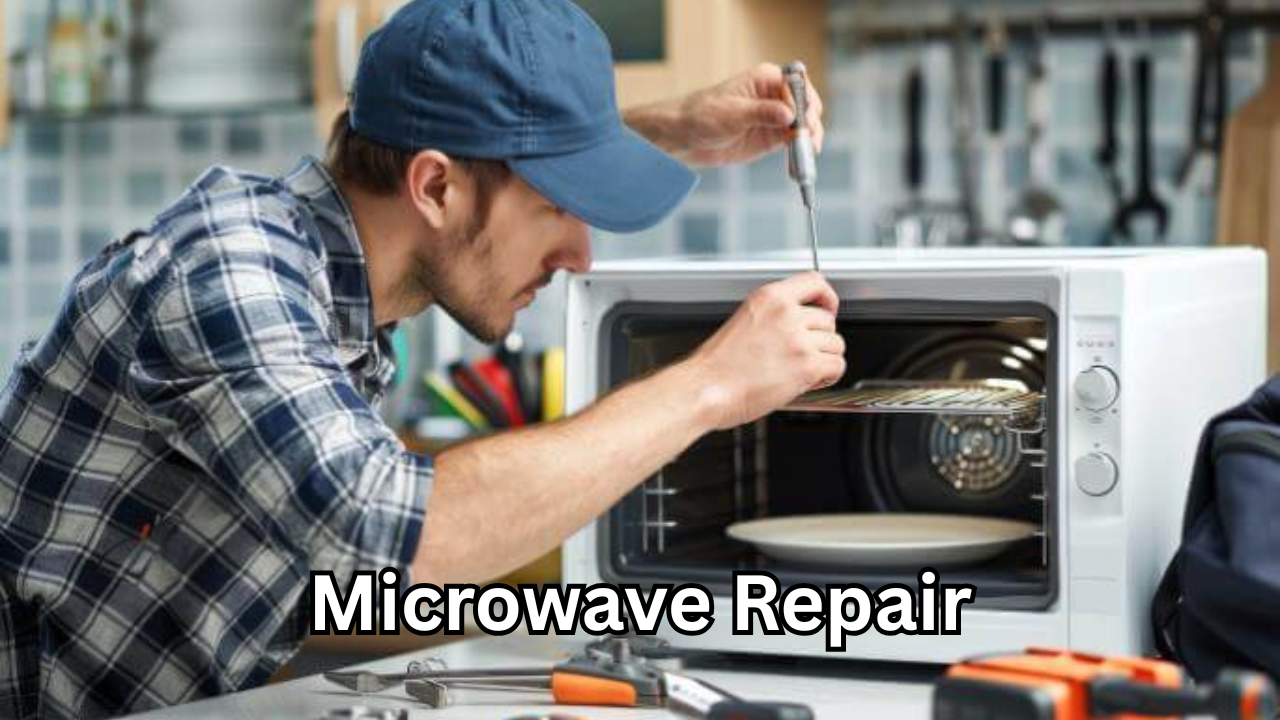
Microwave repair is one of the most searched home appliance solutions today because a microwave oven is no longer a luxury—it’s an essential part of every modern kitchen. From reheating leftovers to preparing quick meals, this appliance saves time and energy. But when it suddenly stops working, sparks inside, stops heating, or makes strange noises, it can disrupt your daily routine.
In this comprehensive guide, you will learn everything about microwave repair, including common problems, troubleshooting steps, repair costs, safety tips, and when to call a professional. Whether you want to fix minor issues yourself or understand how technicians diagnose faults, this detailed article will help you make informed decisions.
Why Microwave Repair Is Important
A faulty microwave does not always mean you need a replacement. Many problems are minor and repairable at a fraction of the cost of buying a new unit. Proper microwave repair can:
- Extend appliance lifespan
- Save money on replacement
- Prevent electrical hazards
- Improve energy efficiency
- Maintain kitchen convenience
Ignoring early warning signs like unusual sounds or uneven heating can lead to bigger and more expensive repairs later.
Common Microwave Problems and Their Causes
Understanding the most frequent microwave issues helps you identify whether the problem is simple or technical.
Microwave Not Heating
This is the most common complaint. If your microwave turns on but does not heat food, possible causes include:
- Faulty magnetron
- Burned-out high voltage diode
- Defective capacitor
- Door switch malfunction
The magnetron is responsible for generating microwave radiation that heats food. If it fails, the appliance will run but won’t produce heat.
Microwave Not Turning On
If your microwave is completely dead:
- Check the power outlet
- Inspect the circuit breaker
- Examine the internal fuse
- Test the door switch
Often, a blown fuse or loose connection is the reason.
Microwave Making Loud or Strange Noises
Buzzing, humming, or grinding sounds can indicate:
- Worn-out motor
- Failing magnetron
- Damaged turntable roller
- Loose internal components
Unusual noise should never be ignored, as it can signal a serious internal issue.
Microwave Sparks Inside
Sparking usually happens because of:
- Metal objects inside
- Damaged waveguide cover
- Paint peeling from interior walls
- Food debris buildup
If sparks occur repeatedly without metal inside, professional microwave repair is recommended.
Turntable Not Rotating
If food heats unevenly and the plate does not spin:
- Turntable motor may be defective
- Roller guide may be broken
- Glass tray may be misaligned
This is usually a low-cost repair.
Step-by-Step Basic Microwave Troubleshooting
Before calling a technician, try these basic checks:
- Unplug the microwave for five minutes and restart it.
- Test another appliance in the same outlet.
- Reset the circuit breaker.
- Check if the door closes firmly.
- Inspect for visible damage or burning smell.
If the issue persists, internal components may require professional attention.
Microwave Repair Safety Precautions
Microwave ovens contain high-voltage components, even after being unplugged. The capacitor can store electricity and cause severe shock.
Important safety rules:
- Always unplug before inspection
- Never open the outer casing without proper knowledge
- Avoid touching internal components
- Use insulated tools
- Wear protective gloves
DIY microwave repair is not recommended for high-voltage parts like magnetrons or capacitors.
Microwave Repair Cost Breakdown
Repair costs vary depending on the problem and model. Typical cost ranges include:
- Fuse replacement: Affordable
- Door switch repair: Low to moderate cost
- Turntable motor replacement: Moderate cost
- Magnetron replacement: Expensive
- Control board repair: Expensive
In many cases, if the repair cost exceeds 50% of the microwave’s price, replacement may be more economical.
When to Repair vs. Replace a Microwave
Knowing when to repair or replace can save money.
Consider repair if:
- The microwave is less than 5 years old
- The issue is minor (fuse, switch, motor)
- The appliance is high-quality or built-in
Consider replacement if:
- Magnetron has failed in an old unit
- Multiple components are damaged
- Repair cost is too high
- Frequent breakdowns occur
Modern microwaves are often more energy-efficient and come with improved safety features.
Signs You Need Professional Microwave Repair
Some warning signs require immediate expert help:
- Burning smell
- Smoke from vents
- Repeated sparking
- Circuit breaker trips frequently
- Microwave shuts off during operation
Professional technicians use specialized tools to diagnose high-voltage issues safely.
Types of Microwaves and Repair Differences
Different microwave types have different repair considerations.
Countertop Microwaves
Most common and easiest to repair. Parts are widely available and affordable.
Over-the-Range Microwaves
More complex because they combine microwave and ventilation systems. Repairs may involve fan motors and installation brackets.
Built-In Microwaves
Often integrated with cabinetry. Repair costs can be higher due to design and accessibility.
Understanding your microwave type helps determine repair complexity.
How to Maintain Your Microwave to Avoid Repairs
Preventive maintenance reduces breakdown risks.
Clean Regularly
Food splatter can damage interior walls and cause sparking. Wipe interior weekly with mild detergent.
Avoid Metal Objects
Never place metal containers, foil, or utensils inside.
Don’t Run Empty
Running an empty microwave can damage the magnetron.
Use Microwave-Safe Containers
Always use containers labeled microwave-safe.
Keep Vents Clear
Blocked ventilation can cause overheating.
Regular care significantly reduces the need for microwave repair services.
How Professionals Diagnose Microwave Problems
Professional technicians follow a structured process:
- Visual inspection
- Multimeter testing of electrical components
- Door switch continuity test
- Magnetron resistance check
- High-voltage diode testing
They also ensure compliance with electrical safety standards.
Choosing the Best Microwave Repair Service
Selecting the right technician ensures quality repair.
Look for:
- Licensed and certified technicians
- Warranty on repairs
- Positive customer reviews
- Transparent pricing
- Experience with your microwave brand
Avoid extremely low-cost offers that may compromise quality.
Benefits of Hiring a Professional for Microwave Repair
Although DIY repairs can seem cost-effective, professional services provide:
- Safe handling of high voltage
- Accurate diagnostics
- Long-lasting solutions
- Warranty-backed service
- Time savings
Professional repair reduces risk and ensures proper functionality.

Environmental Benefits of Repairing Instead of Replacing
Repairing your microwave contributes to sustainability. Electronic waste is increasing globally, and repairing appliances reduces landfill waste. Extending appliance lifespan is an eco-friendly choice that benefits both the environment and your wallet.
Frequently Asked Questions About Microwave Repair
Is it worth repairing a microwave?
Yes, if the repair cost is reasonable and the microwave is relatively new.
Can I replace a microwave fuse myself?
If you have electrical knowledge and follow safety guidelines, it is possible. Otherwise, consult a professional.
How long should a microwave last?
On average, a microwave lasts 7 to 10 years with proper maintenance.
Why does my microwave run but not heat?
This usually indicates a magnetron or high-voltage component issue.
Final Thoughts on Microwave Repair
Microwave repair can save you significant money and extend the life of your appliance when handled correctly. While minor issues like blown fuses or turntable problems can sometimes be addressed at home, high-voltage components require professional expertise.
The key is early detection. If your microwave shows signs of malfunction, don’t ignore them. Regular maintenance, safe usage, and timely repair ensure your appliance remains efficient and safe for years.
Whether you choose DIY troubleshooting or hire a certified technician, understanding microwave repair empowers you to make smart decisions that protect your home, budget, and convenience.
If you’re planning to publish this article on your website, it is fully optimized around the keyword “microwave repair,” written in a professional tone, structured with proper headings, and designed to attract organic traffic while providing real value to readers.
Also Read: First Star Sherwin Williams: The Ultimate Guide to This Versatile Light Gray Paint Color

One thought on “Microwave Repair: Complete Homeowner’s Guide to Fast, Safe, and Cost-Effective Fixes”
Comments are closed.