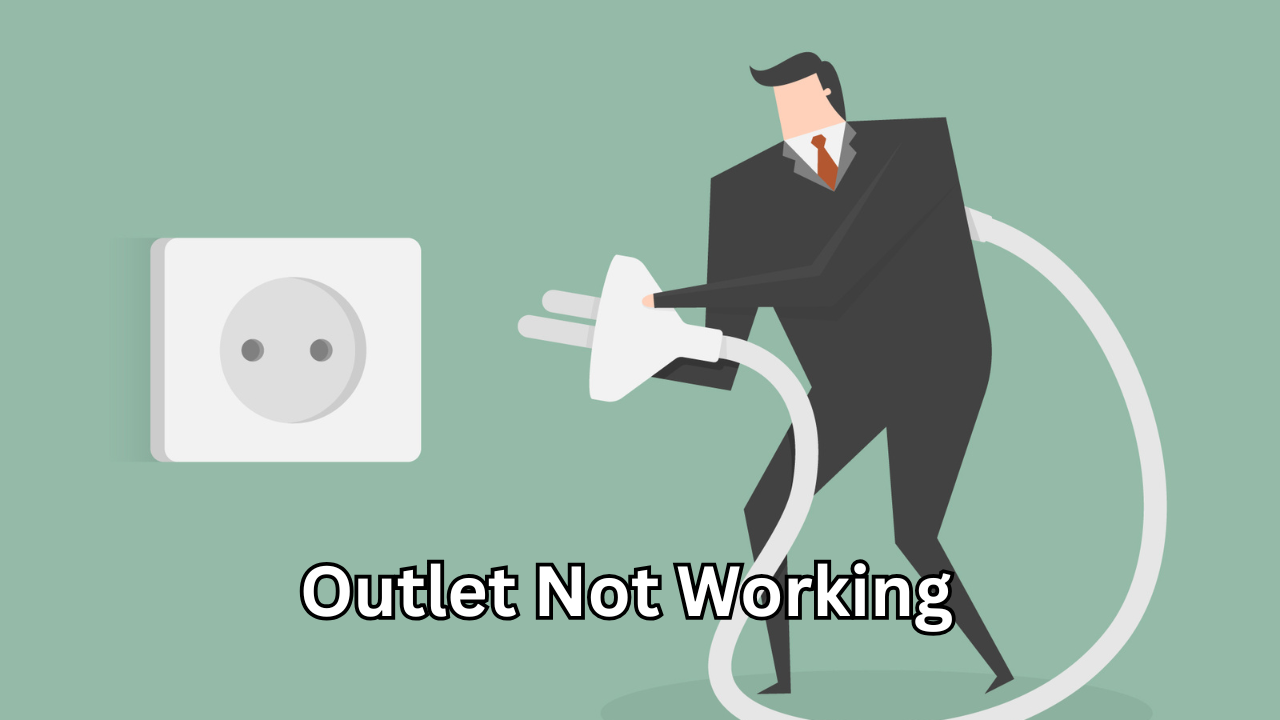
When an outlet not working suddenly disrupts your daily routine, it can feel both annoying and concerning. From chargers that won’t power up to appliances that unexpectedly shut down, a dead electrical outlet is more than a minor inconvenience. In many cases, the cause is simple and safe to address, while other situations require professional attention. This guide walks you through the most common reasons outlets fail, how to diagnose the issue responsibly, and when it’s best to call an electrician, helping you restore power with confidence and peace of mind.
Common Reasons an Electrical Outlet Stops Working
Electrical outlets are designed to last for years, but several everyday factors can cause them to fail. One of the most frequent reasons is a tripped circuit breaker. When a circuit is overloaded or detects a fault, the breaker shuts off power to protect your home. This can affect a single outlet or an entire room.
Another common cause is a tripped GFCI outlet. These are typically found in kitchens, bathrooms, garages, and outdoor areas. If moisture or a minor imbalance is detected, the GFCI cuts power instantly. Often, the outlet itself appears fine, but nearby outlets on the same circuit also stop working.
Loose wiring is another issue, especially in older homes. Over time, connections inside the outlet box can loosen due to vibration, temperature changes, or wear. This can interrupt the flow of electricity without obvious signs like sparks or burning smells.
How to Check the Circuit Breaker Safely
Before assuming a major electrical fault, always check your breaker panel. Locate the panel, usually in a basement, garage, or utility area, and look for a switch that is not fully in the “on” position. Even if it doesn’t look tripped, flipping it fully off and then back on can sometimes restore power.
If the breaker trips again immediately, that’s a sign of a deeper problem. Repeated tripping can indicate an overloaded circuit, faulty wiring, or a malfunctioning appliance drawing too much current. At this point, continued resets are not recommended, as they can increase the risk of electrical damage.

Understanding GFCI and AFCI Protection
Modern electrical codes require safety outlets designed to prevent shock and fire hazards. GFCI outlets are especially sensitive and can trip due to humidity, small appliance issues, or even power surges. Many homeowners don’t realize that one GFCI can control multiple downstream outlets.
AFCI breakers, commonly used in bedrooms and living areas, protect against arc faults that could start fires. If an AFCI trips, it may cut power to several outlets at once. Understanding these protections helps explain why power can disappear without an obvious reason.
Outlet Not Working in One Room Only
If you notice an outlet not working in just one room, the issue is often localized to that circuit. This could mean a single tripped breaker, a GFCI upstream, or a loose connection in the first outlet of the circuit. Electricians often find that the problem outlet isn’t the one that appears dead, but another one earlier in the wiring chain.
In some cases, a switch-controlled outlet is the culprit. Many living rooms and bedrooms have outlets wired to wall switches. If the switch is off, part of the outlet may not receive power, which can be confusing if you’re unaware of the setup.
Signs of a Loose or Damaged Outlet
Physical wear can also play a role. If plugs fall out easily, the internal contacts may be worn. Discoloration, a warm faceplate, or a faint burning smell are warning signs that should never be ignored. These symptoms suggest heat buildup, which can lead to electrical fires if left unresolved.
Cracked faceplates or outlets that move when touched indicate that the mounting screws or electrical box may be loose. While the issue might seem minor, movement can strain wires over time and eventually cause failure.
Can Appliances Cause Outlet Failure?
Yes, faulty appliances can trip breakers or damage outlets. Devices with heating elements, such as space heaters or microwaves, draw significant power. Plugging multiple high-wattage appliances into the same circuit increases the risk of overload.
If power stops after plugging in a specific appliance, unplug it and reset the breaker. If the outlet works again, the appliance may need repair or replacement. Continuing to use it could result in repeated outages or long-term electrical damage.
When DIY Troubleshooting Is Reasonable
Basic checks, like resetting breakers or GFCI outlets, are generally safe for homeowners. Replacing a damaged faceplate or ensuring a plug fits snugly can also be reasonable tasks if you’re comfortable and follow safety guidelines.
However, working inside an electrical box requires caution. Turning off power at the breaker is essential before inspecting anything beyond the outlet cover. If you’re unsure, it’s better to stop and seek professional help rather than risk injury.
When to Call a Licensed Electrician
Persistent problems should always be handled by a professional. If an outlet not working issue continues after basic troubleshooting, or if multiple outlets fail without a clear reason, an electrician can safely diagnose the wiring, breaker, or panel.
Professional help is especially important if you notice buzzing sounds, frequent breaker trips, or signs of heat damage. These issues can indicate serious hazards that aren’t visible on the surface.

Preventing Future Electrical Issues
Preventive steps can reduce the likelihood of outlet problems. Avoid overloading circuits by spreading high-power devices across different outlets. Use surge protectors for sensitive electronics, and periodically test GFCI outlets to ensure they’re functioning properly.
Scheduling a professional electrical inspection is also a smart move, particularly in older homes. An inspection can identify outdated wiring, loose connections, or overloaded circuits before they lead to failures or safety risks.
The Cost Factor and Long-Term Value
Many homeowners hesitate to call an electrician due to cost concerns. However, addressing an outlet not working issue early can prevent more expensive repairs later. Electrical faults left unattended can damage appliances, increase energy waste, or even cause fires.
Investing in proper repairs adds long-term value to your home. Safe, reliable electrical systems are essential for modern living and are often a key consideration during property inspections or resale.
Final Thoughts on Restoring Power Safely
Dealing with an outlet not working can be frustrating, but it doesn’t always signal a major problem. By understanding common causes, performing safe checks, and knowing when to seek professional help, you can resolve the issue efficiently and protect your home.
Electrical systems are something you rely on every day, often without thinking about them. Taking a thoughtful, safety-first approach ensures that when power problems arise, they’re handled correctly, keeping your home comfortable, functional, and secure for the long run.
Also Read: Egyptian Cotton Duvet Cover: The Ultimate Guide to a Luxuriously Better Sleep Experience
One thought on “Outlet Not Working: Powerful Fixes for a Frustrating Electrical Problem”
Comments are closed.