A refrigerator not cooling is one of the most frustrating home appliance problems. It can lead to spoiled food, wasted money, and unnecessary stress. Whether your fridge is running but not cold, the freezer works but the fridge section is warm, or everything has stopped cooling completely, this detailed guide will help you understand the causes and solutions.
In this comprehensive article, you’ll learn the most common reasons behind a refrigerator not cooling, step-by-step troubleshooting methods, when to call a professional, and how to prevent the issue in the future.
Why Is Your Refrigerator Not Cooling?
When your refrigerator stops cooling properly, it usually means something is interrupting the cooling cycle. Refrigerators work by circulating refrigerant through coils, using a compressor, condenser, evaporator, and fans to remove heat from inside the unit.
If any of these components malfunction, your refrigerator not cooling becomes a serious issue. The good news is that many causes are simple and easy to fix.
Let’s explore the most common reasons.
Incorrect Temperature Settings
Before assuming the worst, always check the temperature settings. Sometimes the dial may accidentally be turned down during cleaning or by someone adjusting it without realizing.
For proper cooling:
- Refrigerator temperature should be set between 35°F and 38°F (1.7°C to 3.3°C).
- Freezer temperature should be around 0°F (-18°C).
If the temperature is set too high, your refrigerator not cooling properly may simply be a settings issue. Adjust it and wait 24 hours to see improvement.
Dirty Condenser Coils
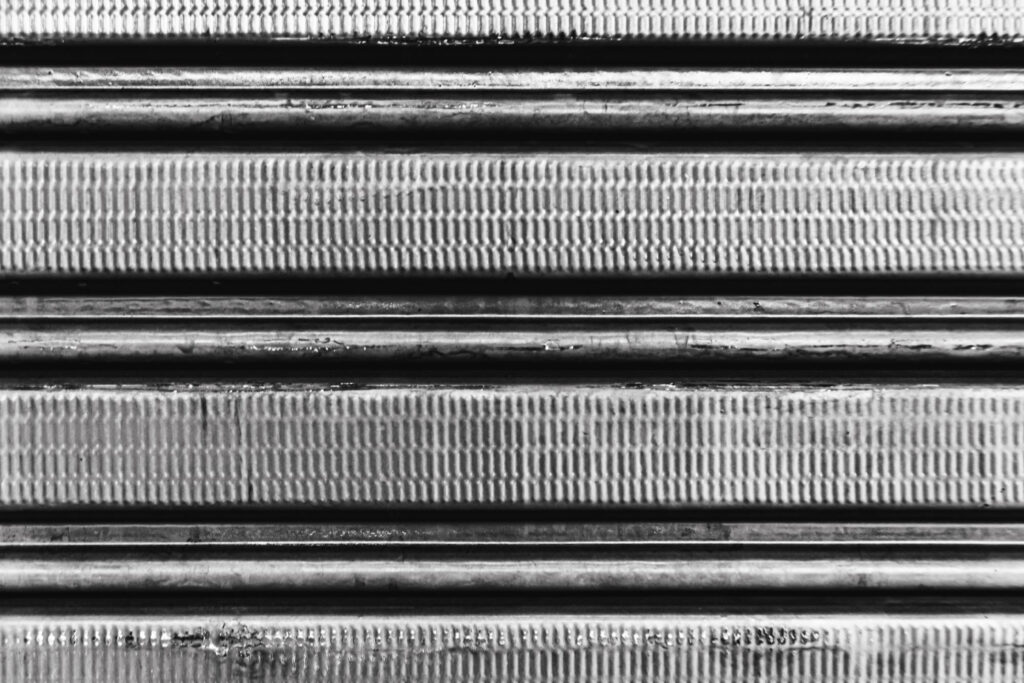
One of the most common causes of a refrigerator not cooling is dirty condenser coils. These coils release heat from the refrigerant. If they are covered in dust, dirt, or pet hair, heat cannot escape efficiently.
When this happens:
- The compressor works harder.
- Cooling efficiency drops.
- Energy bills increase.
To fix this:
- Unplug the refrigerator.
- Locate the condenser coils (usually at the back or underneath).
- Use a vacuum or coil brush to clean them thoroughly.
- Plug the fridge back in.
Cleaning the coils every 6 months can prevent cooling issues.
Faulty Evaporator Fan Motor
The evaporator fan circulates cold air throughout the refrigerator. If this fan stops working, cold air won’t move from the freezer to the refrigerator compartment.
Signs of a faulty evaporator fan include:
- Freezer is cold but fridge is warm.
- Strange noises from inside the freezer.
- Weak airflow.
If your refrigerator not cooling problem is due to a broken fan motor, replacement is usually required.
Blocked Air Vents
Refrigerators rely on proper airflow between compartments. If air vents are blocked by food containers or ice buildup, cooling becomes uneven.
Check for:
- Overpacked shelves.
- Items pushed against the back wall.
- Ice accumulation around vents.
Organize the fridge and ensure air can circulate freely. Sometimes, a simple rearrangement can fix the issue.
Damaged Door Seals
Door gaskets (rubber seals) keep cold air inside. If they are cracked, loose, or dirty, warm air enters the refrigerator.
A refrigerator not cooling efficiently may result from poor sealing.
To test the seal:
- Close the door on a piece of paper.
- Try pulling the paper out.
- If it slides easily, the seal may be weak.
Cleaning or replacing the gasket can restore proper cooling performance.
Malfunctioning Thermostat
The thermostat controls the cooling cycle. If it fails, the compressor may not run long enough to cool the refrigerator.
Signs of thermostat failure:
- Inconsistent temperature.
- Compressor not turning on.
- Fridge warmer than normal.
Replacing the thermostat is usually affordable and can resolve the refrigerator not cooling issue quickly.
Compressor Problems
The compressor is the heart of your refrigerator. It compresses refrigerant and helps circulate it through the system.
If the compressor fails:
- The fridge won’t cool at all.
- You may hear clicking noises.
- The unit may repeatedly attempt to start.
Compressor repairs can be costly. If your refrigerator is older than 10 years, replacing the appliance might be more economical.
Refrigerant Leak
Refrigerant is essential for cooling. If there’s a leak:
- Cooling gradually decreases.
- Compressor runs continuously.
- Ice may build up in unusual places.
A refrigerant leak requires professional repair. Handling refrigerant without proper training can be dangerous.
Defrost System Failure
Modern refrigerators automatically defrost to prevent ice buildup. If the defrost heater, timer, or thermostat fails, frost accumulates on evaporator coils.
When coils are covered in ice:
- Airflow becomes restricted.
- Refrigerator not cooling properly becomes noticeable.
You may temporarily fix this by manually defrosting the fridge (unplug for 24 hours with doors open). However, the faulty component must be replaced to prevent recurrence.
Start Relay Issues
The start relay helps the compressor start. If it fails, the compressor won’t run.
Symptoms include:
- Clicking sounds.
- Compressor overheating.
- No cooling at all.
Replacing the start relay is relatively inexpensive and can restore function quickly.
When to Call a Professional
While many causes of a refrigerator not cooling can be fixed at home, some situations require professional help:
- Suspected refrigerant leak
- Compressor failure
- Electrical wiring problems
- Repeated cooling failure after troubleshooting
A certified appliance technician can accurately diagnose and repair complex issues.
How to Prevent Refrigerator Cooling Problems
Prevention is always better than repair. Follow these tips to avoid future cooling issues:
Clean Coils Regularly
Dust buildup reduces efficiency. Clean coils at least twice a year.
Avoid Overloading
Overstuffed refrigerators block airflow. Leave space between items.
Check Door Seals
Inspect seals every few months for cracks or looseness.
Keep the Fridge Level
An uneven refrigerator can affect door alignment and sealing.
Maintain Proper Temperature
Do not frequently change settings unless necessary.
By following these simple maintenance steps, you reduce the chances of your refrigerator not cooling unexpectedly.

Common Questions About Refrigerator Not Cooling
Many homeowners panic when their refrigerator stops cooling. However, understanding the basics can save time and money.
If your fridge is running but not cold, the issue is often related to airflow or dirty coils.
If the freezer works but the fridge is warm, the evaporator fan or air vents are likely responsible.
If both compartments are warm, check the compressor, thermostat, or start relay.
Quick action is important because food safety becomes a concern after just a few hours without proper cooling.
Is It Worth Repairing a Refrigerator That Is Not Cooling?
The decision depends on:
- Age of the appliance
- Cost of repair
- Energy efficiency
- Warranty status
If repair costs exceed half the price of a new refrigerator, replacement is often the better option. However, simple fixes like cleaning coils or replacing a fan motor are usually worth repairing.
Final Thoughts on Refrigerator Not Cooling
A refrigerator not cooling is inconvenient but often fixable. From dirty condenser coils to faulty fans, many problems can be diagnosed and solved without replacing the entire appliance.
Start with simple checks like temperature settings and airflow. Move on to cleaning coils and inspecting seals. If the problem persists, consider professional assistance.
By understanding how your refrigerator works and performing regular maintenance, you can extend its lifespan and avoid costly repairs.
If you’re currently dealing with a refrigerator not cooling, take action immediately. Quick troubleshooting can prevent food spoilage and restore your appliance to full performance.
Also Read: 3 Way Switch Wiring: The Ultimate Step-by-Step Guide to Avoid Costly Mistakes