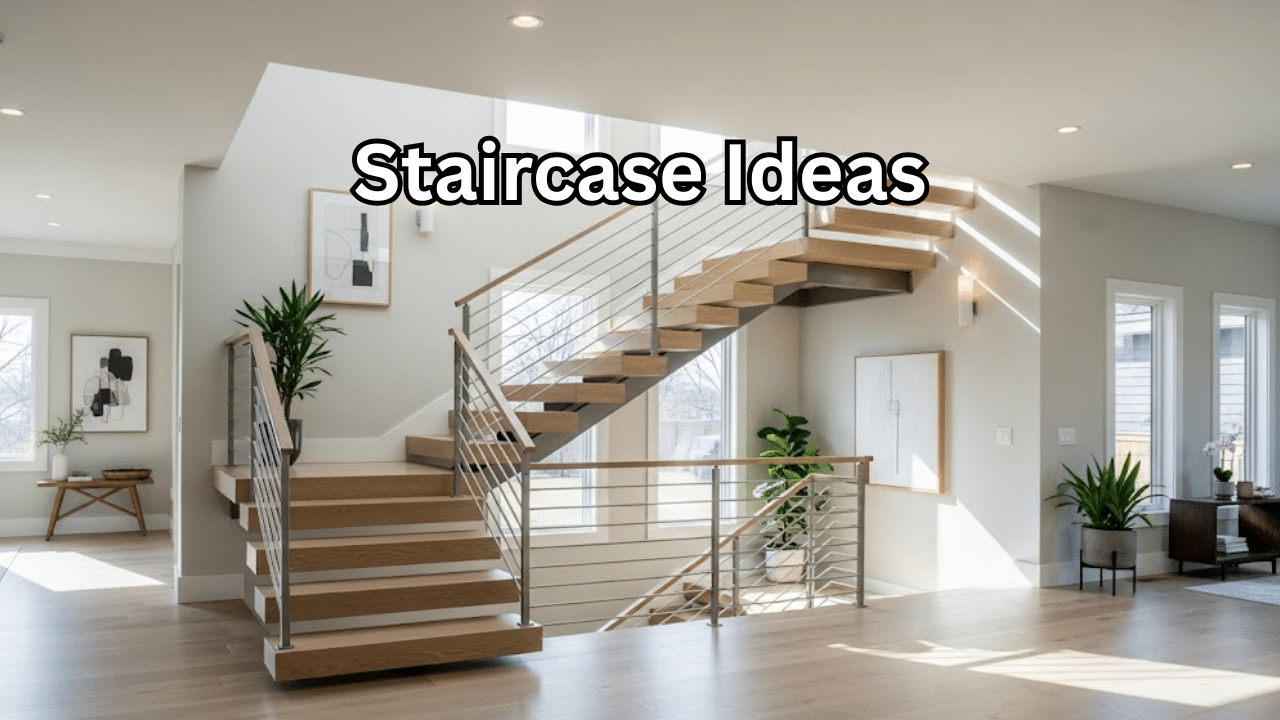
Staircase ideas play a powerful role in shaping how a home looks, feels, and functions, yet they are often overlooked during design planning. A well-thought-out staircase is not just a way to move between floors; it can become a visual anchor that adds character, improves flow, and enhances property value. Whether you are renovating an existing space or designing a new home, understanding how different stair designs influence aesthetics and usability helps you make smarter, longer-lasting choices.
Why Staircase Design Deserves More Attention
A staircase naturally draws the eye because it connects major living areas. When designed with intention, it can elevate the entire interior without overwhelming it. Homeowners today are increasingly focusing on how materials, lighting, and proportions work together to create harmony. Beyond looks, safety, comfort, and durability matter just as much, especially in homes with children, elderly residents, or frequent guests.
Thoughtful planning ensures the structure blends seamlessly with the rest of the home instead of feeling like an afterthought. This balance between beauty and function is what separates timeless interiors from short-lived trends.
Staircase Ideas for Modern and Classic Interiors
Choosing from different staircase ideas depends heavily on your home’s architectural style and available space. Modern homes often benefit from clean lines and minimal visual weight, while traditional interiors may lean toward richer details and classic materials. The key is consistency. A staircase should complement nearby flooring, wall finishes, and furniture rather than compete with them.
For example, sleek metal railings pair well with contemporary layouts, while wooden balusters and carved newel posts suit classic or colonial designs. Mixing styles can work, but only when done deliberately and with a clear design vision.

Material Choices That Define the Look
Materials influence both appearance and performance. Wood remains one of the most popular options because of its warmth, versatility, and long-term value. It can be stained dark for a dramatic effect or kept light to enhance openness. Stone and concrete create a bold, grounded presence and are often used in luxury or industrial-inspired homes.
Glass, when used carefully, allows light to pass through and makes smaller spaces feel larger. Metal elements add strength and a modern edge, especially when paired with neutral tones. Selecting durable, easy-to-maintain materials ensures the staircase remains attractive for years without constant upkeep.
Lighting Techniques That Transform Stairs
Lighting is one of the most effective ways to enhance safety while adding atmosphere. Well-placed lights help prevent accidents and highlight architectural details. Recessed step lights, wall-mounted fixtures, or subtle LED strips under treads can create a refined look without harsh brightness.
Natural light should also be considered. Positioning the staircase near windows or skylights can reduce the need for artificial lighting during the day and make the space feel more inviting. A thoughtful lighting plan turns a basic structure into a design feature.
Space-Saving Staircase Solutions
In compact homes or apartments, space efficiency becomes critical. Designers often explore creative staircase ideas that maximize every square foot without compromising comfort. Open risers, spiral forms, and alternating tread designs are common solutions when floor area is limited.
Storage integration is another smart approach. Drawers, cabinets, or shelving built beneath the stairs can significantly increase usable space. These solutions work particularly well in urban homes where storage is often at a premium.
Balancing Safety and Style
A staircase must meet safety standards while still aligning with your design goals. Proper tread depth, consistent riser height, and sturdy handrails are essential. Skipping these basics can lead to discomfort or risk, no matter how beautiful the staircase looks.
Non-slip finishes, rounded edges, and well-secured railings add peace of mind without sacrificing style. For families, these considerations are not optional; they are part of responsible design that prioritizes everyday living.
Color and Finish Strategies
Color plays a subtle yet impactful role in how a staircase is perceived. Neutral tones create a calm, timeless look and blend easily with changing décor. Dark finishes add drama and contrast, especially in bright interiors, while lighter shades enhance openness and reflect light.
Painted risers or accent walls can introduce personality without overwhelming the space. The goal is to use color intentionally, supporting the overall design rather than distracting from it.
Custom vs. Pre-Designed Staircases
Homeowners often choose between custom-built staircases and pre-designed options. Custom designs allow complete control over dimensions, materials, and detailing, making them ideal for unique layouts or high-end projects. They also ensure the staircase fits perfectly within the available space.
Pre-designed staircases, on the other hand, are more budget-friendly and quicker to install. With careful selection, they can still look refined and meet functional needs. The right choice depends on budget, timeline, and the level of personalization desired.
Maintenance and Long-Term Value
A staircase is a long-term investment, so maintenance should not be overlooked. Durable finishes, quality craftsmanship, and proper installation reduce the need for frequent repairs. Regular cleaning and occasional refinishing help preserve appearance and structural integrity.
From a resale perspective, a well-designed staircase adds perceived value. Buyers often notice architectural features that feel cohesive and thoughtfully planned, making the home more attractive in competitive markets.
How Staircase Design Influences Home Flow
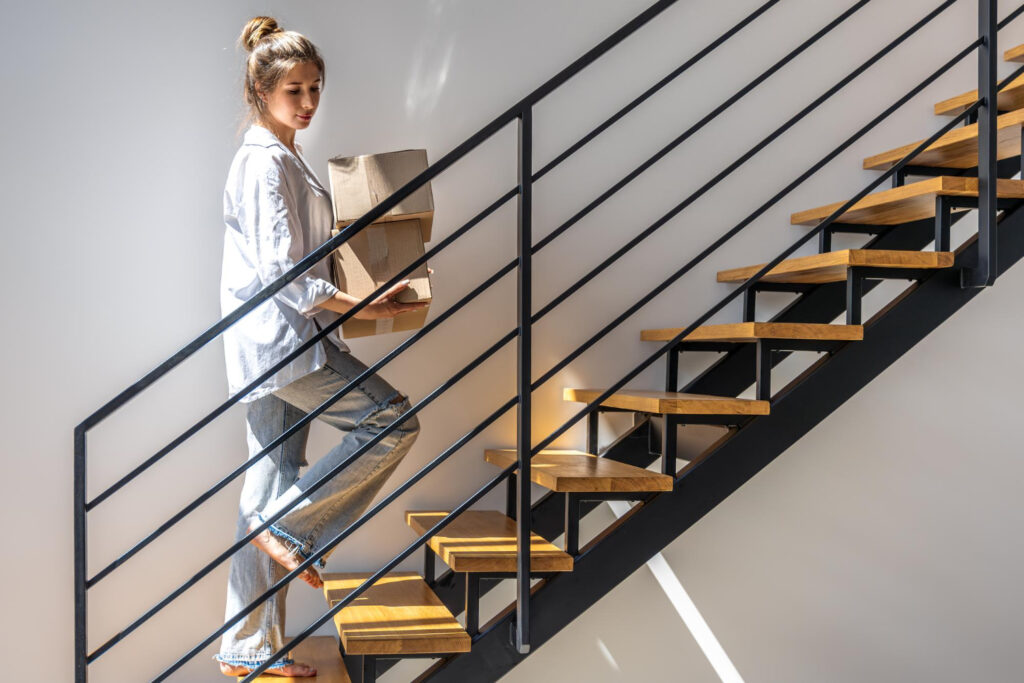
The placement and orientation of a staircase affect how people move through a home. A poorly positioned staircase can interrupt natural flow, while a well-placed one guides movement intuitively. Open designs encourage connection between levels, while enclosed staircases offer privacy and noise control.
Understanding how your household uses space daily helps determine the best layout. Design decisions should support real-life habits, not just visual appeal.
Common Mistakes to Avoid
Many homeowners focus too much on appearance and overlook practical details. Ignoring building codes, underestimating lighting needs, or choosing materials that wear quickly can lead to costly fixes later. Another common mistake is over-decorating, which can make the staircase feel cluttered or dated.
Simplicity, consistency, and quality materials usually deliver better results than overly complex designs.
Final Thoughts on Choosing the Right Design
The best staircase ideas balance aesthetics, safety, and functionality in a way that feels natural to your home. By considering materials, lighting, layout, and long-term use, you can create a staircase that enhances daily life rather than just filling space.
A well-designed staircase quietly supports comfort while making a strong visual statement. When planned thoughtfully, it becomes more than a pathway between floors; it becomes an integral part of the home’s identity and lasting appeal.
Also Read: Best Vacuum Cleaners: The Ultimate Powerful Guide for a Cleaner, Happier Home
One thought on “Staircase Ideas That Instantly Elevate Your Home’s Beautiful Style”
Comments are closed.