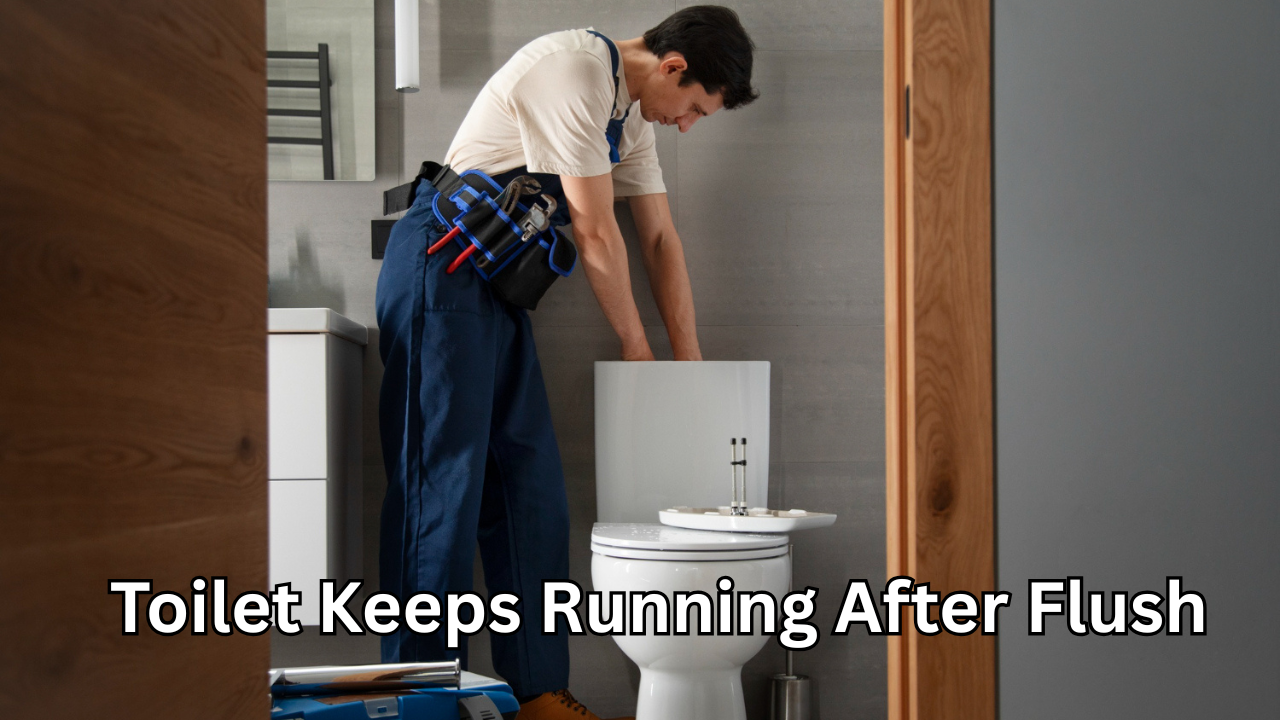
A toilet keeps running after flush can quietly waste hundreds of liters of water, inflate utility bills, and signal hidden wear inside the tank that gets worse over time. This guide explains why the problem happens, how to diagnose it accurately, and which fixes actually last—so you can restore quiet operation, protect your plumbing, and avoid unnecessary repairs.
Why a Constantly Running Toilet Is a Serious Problem
When water continues to flow long after a flush, the issue is rarely cosmetic. Continuous refilling stresses internal components, accelerates mineral buildup, and can mask leaks that damage floors or subfloors. From an efficiency standpoint, even a slow trickle can waste significant water each day, especially in households with frequent use.
Understanding the underlying mechanics matters because toilets rely on a simple balance: water leaves the tank, components reset, and the fill valve shuts off at the correct level. When that balance fails, noise, waste, and long-term damage follow.
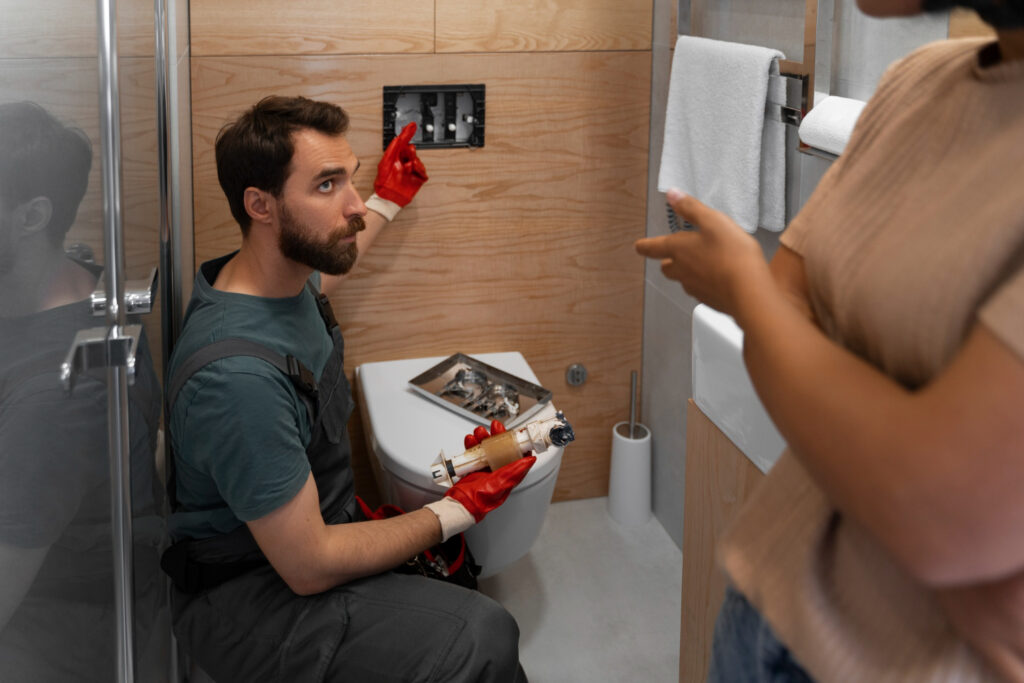
Common Mechanical Reasons Toilets Don’t Stop Refilling
Most persistent running issues trace back to a handful of parts inside the tank. Identifying the exact cause prevents trial-and-error fixes that don’t hold.
The flapper is a frequent culprit. If it’s warped, brittle, or coated with mineral residue, it won’t seal the flush valve opening. Water slowly escapes into the bowl, prompting the fill valve to kick on again.
Another common issue involves the fill valve. Age, debris, or incorrect height settings can prevent it from shutting off fully. You might hear intermittent refilling even when the tank appears full.
The overflow tube also plays a role. If the water level is set too high, excess water drains into the tube and the tank never reaches a true “off” point. Finally, slack or tangled chains can interfere with flapper closure, creating a partial seal that leaks continuously.
How to Diagnose the Issue Step by Step
Accurate diagnosis saves time and money. Start with a visual inspection while the tank lid is off.
Watch how the flapper behaves after a flush. If it drops unevenly or doesn’t sit flat, that’s a strong indicator of leakage. Next, check the water level relative to the overflow tube. Ideally, it should sit about 2–3 centimeters below the tube’s top.
Listen closely. A steady hiss suggests a fill valve problem, while periodic refilling points to slow leakage from the tank into the bowl. For confirmation, add a few drops of food coloring to the tank and wait 10 minutes without flushing. Color appearing in the bowl confirms an internal leak.
Toilet Keeps Running After Flush: Targeted Fixes That Work
When a toilet keeps running after flush, the most effective solution depends on the specific failure point rather than replacing parts blindly.
Replacing a worn flapper is often the fastest fix. Modern universal flappers are inexpensive and designed to fit most valves, but matching size and material to your existing setup improves longevity.
If the fill valve is at fault, adjustment may solve the issue. Many valves include a simple screw or clip to lower the shutoff point. When adjustment fails, replacement is straightforward and typically more durable than repeated tweaks.
For overflow-related problems, lowering the float—either by bending a metal arm slightly or adjusting a plastic mechanism—prevents excess water from entering the tube. Chain issues are solved by ensuring just enough slack for full flapper lift without tangling.
When DIY Repairs Are Enough—and When They Aren’t
Many homeowners successfully handle internal toilet repairs with basic tools. However, persistent issues after part replacement can indicate deeper problems such as a cracked overflow tube, damaged flush valve seat, or mineral scaling that prevents proper seals.
If you notice water around the base of the toilet, spongy flooring, or inconsistent flushing performance, it’s time to consult a licensed plumber. These signs suggest structural or installation issues beyond simple component wear.
Water Efficiency and Cost Implications
Ignoring a running toilet has real financial consequences. A slow leak can waste thousands of liters per month, pushing up water bills without obvious daily impact. In regions with metered water or drought restrictions, this waste is both costly and environmentally irresponsible.
Upgrading to modern, efficient components not only solves the immediate problem but also improves overall performance. High-quality fill valves regulate pressure better and resist debris, while newer flapper materials last longer in hard-water conditions.
Preventive Maintenance for Long-Term Reliability
Preventing future problems is easier than fixing recurring ones. Periodic inspections—every six months—help catch early signs of wear. Cleaning mineral deposits from the flapper seat and overflow tube maintains proper sealing, especially in areas with hard water.
It’s also wise to replace rubber components proactively every few years, even if they appear intact. Rubber degrades over time, and preventive replacement costs far less than water damage repairs.
How Water Quality Affects Toilet Components
Water chemistry plays a surprisingly large role in internal wear. Hard water accelerates scaling, which interferes with seals and valve movement. Chlorinated water, while safe to drink, can degrade rubber parts faster than expected.
Installing a whole-house or localized water softening solution can extend the lifespan of toilet components and reduce maintenance frequency. Even simple in-tank cleaning routines help mitigate buildup.
Choosing the Right Replacement Parts
Not all replacement parts are created equal. Generic components may fit, but higher-grade materials offer better resistance to chemical and mineral damage. Look for fill valves with adjustable heights and anti-siphon protection, and flappers made from chlorine-resistant rubber or silicone.
Avoid mixing incompatible brands without checking specifications. Proper fit ensures reliable shutoff and consistent flushing performance.
Safety, Noise, and Household Comfort
A constantly running toilet isn’t just inefficient—it can be disruptive. Nighttime refilling noise affects sleep, and continuous water movement can hide more serious leaks. Addressing the problem promptly restores quiet operation and peace of mind.
From a safety perspective, unchecked leaks increase the risk of moisture-related issues such as mold or weakened flooring, particularly in older homes.
Final Thoughts: Fix It Once, Fix It Right
When a toilet keeps running after flush, the solution lies in understanding the mechanics, diagnosing accurately, and using quality parts matched to the problem. Quick fixes may stop the noise temporarily, but targeted repairs backed by preventive maintenance deliver lasting results.
By acting early, you save water, reduce costs, and protect your home’s plumbing system for years to come.
Also Read: Craftsman Chainsaw Parts: The Ultimate Positive Guide to Reliable Performance and Long Tool Life
One thought on “Toilet Keeps Running After Flush: Frustrating Causes, Fixes, and Expert Solutions”
Comments are closed.