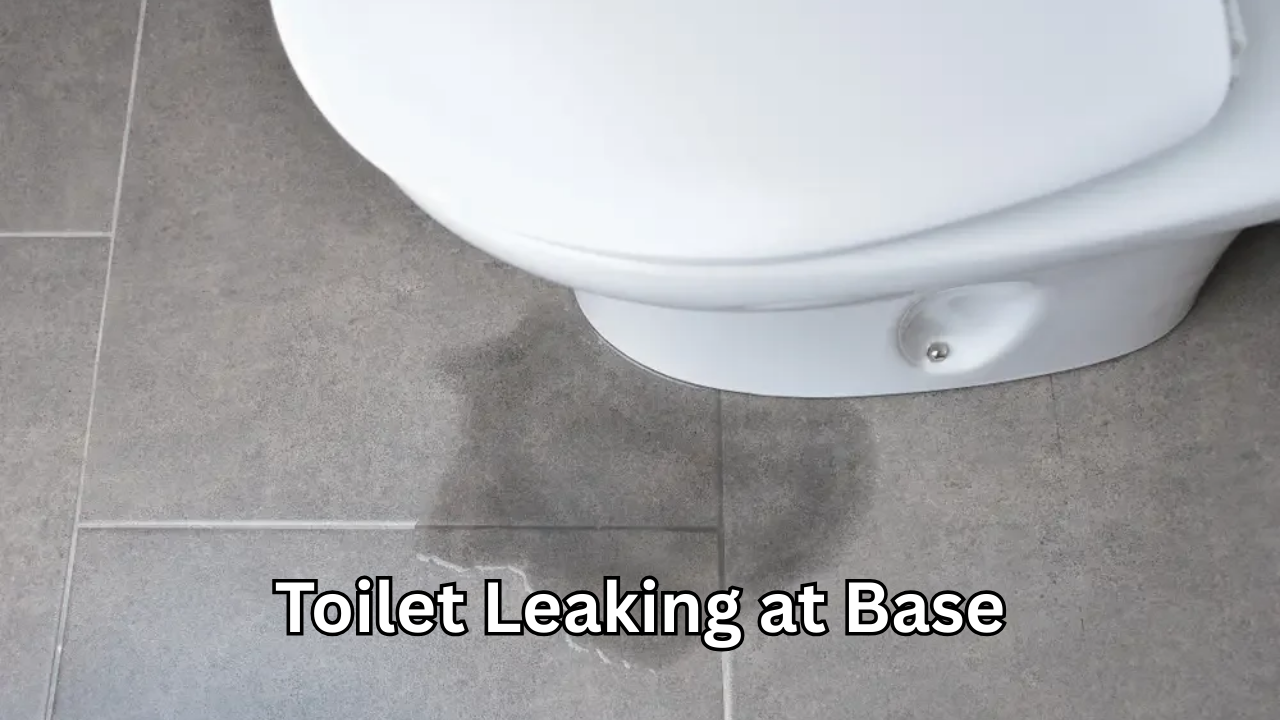
A toilet leaking at base is one of the most common plumbing problems homeowners face. It may start as a small puddle around the bottom of the toilet, but if ignored, it can cause serious water damage to your flooring, subfloor, and even the structure beneath. The good news is that in most cases, this issue can be diagnosed and fixed without major renovation.
In this comprehensive guide, you’ll learn why a toilet leaking at base happens, how to identify the exact cause, step-by-step repair instructions, and proven prevention tips to avoid future problems. Whether you’re a DIY enthusiast or planning to call a plumber, this article will help you make an informed decision.
Why Is My Toilet Leaking at Base?
When you notice water pooling around the bottom of your toilet, the first instinct may be panic. However, understanding the potential causes will help you narrow down the problem quickly.
The most common reasons for a toilet leaking at base include:
- Worn or damaged wax ring
- Loose toilet bolts
- Cracked toilet base
- Condensation buildup
- Faulty water supply line
- Flange issues
Each of these causes requires a slightly different solution, so identifying the source accurately is essential.
The Most Common Cause: Worn Wax Ring
The wax ring is a crucial component that seals the toilet to the drainpipe and prevents water from escaping. Over time, this wax seal can dry out, crack, or compress, leading to leakage.
When you flush, water flows from the toilet bowl into the drainpipe. If the wax ring is compromised, some of that water can seep out at the base. Signs that the wax ring is the problem include:
- Water appears only after flushing
- Toilet rocks slightly when you sit on it
- Persistent dampness around the base
Replacing a wax ring is one of the most common solutions for a toilet leaking at base, and it typically resolves the issue completely if done correctly.
Loose or Damaged Closet Bolts
Toilets are secured to the floor using closet bolts. These bolts pass through the base and connect to the flange beneath. If these bolts become loose, the toilet may shift slightly every time it’s used.
This movement can break the wax seal, causing water to leak from underneath. Sometimes, simply tightening the bolts can solve the problem. However, overtightening can crack the porcelain base, leading to a more expensive repair.
If you notice that your toilet wobbles, addressing bolt stability should be your first step.
Cracked Toilet Base
Although less common, a cracked toilet base can also cause leakage. Hairline cracks may not be visible at first but can allow water to escape.
Inspect the porcelain carefully, especially around the base and lower bowl area. If you find a crack, the safest solution is replacing the entire toilet. Attempting to patch a cracked toilet is usually not a long-term fix.
Condensation: The Hidden Culprit
Sometimes, what appears to be a toilet leaking at base is actually condensation. In humid climates or during seasonal changes, cold water inside the tank can cause moisture to form on the exterior surface.
This moisture can drip down and collect at the base, mimicking a leak. To check for condensation:
- Dry the toilet completely.
- Wait without flushing for several hours.
- Observe whether water forms without flushing.
If moisture appears without use, condensation is likely the issue. Installing an insulated tank liner or improving bathroom ventilation can help.
Faulty Water Supply Line
The water supply line connects the toilet tank to the shut-off valve. If this line leaks, water may run down the back of the toilet and pool at the base.
Carefully inspect the connection points for moisture. Tightening fittings or replacing the supply line can quickly solve this problem.
How to Fix a Toilet Leaking at Base
If you’ve determined that the wax ring is the issue, follow these steps carefully:
Step 1: Turn Off the Water Supply
Locate the shut-off valve behind the toilet and turn it clockwise. Flush the toilet to drain as much water as possible from the tank and bowl.
Step 2: Remove Remaining Water
Use a sponge or towel to soak up any remaining water inside the tank and bowl.
Step 3: Disconnect the Water Line
Use a wrench to disconnect the supply line from the tank.
Step 4: Remove the Toilet
Unscrew the closet bolts and carefully lift the toilet straight up. It may be heavy, so assistance is recommended.
Step 5: Replace the Wax Ring
Scrape off the old wax ring from both the toilet base and flange. Place a new wax ring onto the flange or the bottom of the toilet outlet.
Step 6: Reinstall the Toilet
Carefully lower the toilet back into position, aligning it with the bolts. Press down gently to compress the wax ring evenly.
Step 7: Tighten Bolts Evenly
Alternate tightening each bolt slightly at a time to ensure even pressure. Do not overtighten.
Step 8: Reconnect Water and Test
Reconnect the supply line, turn the water back on, and flush multiple times to check for leaks.
If done properly, the toilet leaking at base problem should be resolved.
When to Call a Professional Plumber
While many homeowners can handle wax ring replacement, certain situations require professional help:
- Damaged or corroded flange
- Severe floor damage
- Persistent leaking after replacement
- Structural issues under the toilet
If your bathroom floor feels soft or spongy, there may be subfloor damage requiring repair before reinstalling the toilet.
Signs of Floor Damage from a Leaking Toilet
Ignoring a toilet leaking at base can lead to serious problems beneath the surface. Watch for:
- Soft flooring around the toilet
- Mold or mildew smell
- Discoloration or staining
- Loose tiles
- Warped vinyl flooring
Water damage spreads over time, so acting quickly can save you significant repair costs.
Preventing Future Toilet Base Leaks
Prevention is always better than repair. Here are practical tips to avoid future problems:
Regularly Check Bolts
Inspect toilet bolts every few months to ensure they remain secure.
Avoid Harsh Chemicals
Strong drain cleaners can damage seals and internal components.
Fix Wobbling Immediately
A moving toilet will eventually break the wax seal. Use shims if necessary to stabilize it.
Improve Ventilation
Reducing humidity can prevent condensation-related issues.
Schedule Routine Plumbing Inspections
Annual inspections can detect minor problems before they escalate.
How Much Does It Cost to Fix a Toilet Leaking at Base?
Costs vary depending on the cause:
- DIY wax ring replacement: relatively inexpensive
- Professional plumber visit: moderate cost
- Flange repair: higher cost
- Subfloor replacement: significantly more expensive
If caught early, most cases remain affordable to repair. Delaying action often increases the final expense dramatically.
Is It Safe to Keep Using a Leaking Toilet?
Using a toilet that leaks at the base is not recommended. Even a small leak can:
- Damage flooring
- Promote mold growth
- Attract pests
- Weaken structural support
If the leak is active, minimize use until repairs are completed.
Final Thoughts on Toilet Leaking at Base
A toilet leaking at base may seem like a minor inconvenience, but it can quickly become a costly problem if ignored. In most cases, the issue stems from a worn wax ring or loose bolts—both relatively simple to fix.
By identifying the cause early, performing proper repairs, and taking preventive measures, you can protect your bathroom from water damage and extend the lifespan of your plumbing system.
If you’re comfortable with basic tools, this is a manageable DIY project. However, when in doubt, hiring a professional ensures the repair is done correctly and prevents further complications.
Address the problem promptly, and your bathroom will remain safe, clean, and leak-free for years to come.

One thought on “Toilet Leaking at Base: Complete Guide to Causes, Fixes, and Prevention”
Comments are closed.