
White granite countertops remain one of the most trusted and positive upgrades homeowners choose when designing a kitchen that balances elegance, durability, and long-term value. Known for their natural strength and refined appearance, these stone surfaces bring brightness and sophistication without sacrificing practicality. This guide explores everything you need to know—from aesthetics and performance to maintenance and buying tips—so you can make a confident, informed decision.
Introduction: Why This Stone Surface Remains in Demand
White granite countertops are a top-tier choice for homeowners who want a clean, upscale look combined with exceptional durability. Their natural veining, subtle mineral patterns, and ability to reflect light make kitchens feel more open and inviting, while granite’s inherent hardness ensures long-lasting performance. This blend of beauty and resilience explains why this surface continues to rank highly among premium kitchen materials.
Understanding the Natural Appeal of Granite Surfaces
Granite is an igneous rock formed deep within the earth, making it one of the hardest natural materials used in home construction. White-toned varieties are especially valued for their versatility, as they can complement modern, transitional, and classic interiors alike.
Unlike manufactured materials, each slab has unique veining and mineral distribution. This natural variation ensures that no two kitchens look exactly the same, adding exclusivity and character to your space. The stone’s light base also pairs effortlessly with wood cabinetry, stainless steel appliances, and bold accent colors.
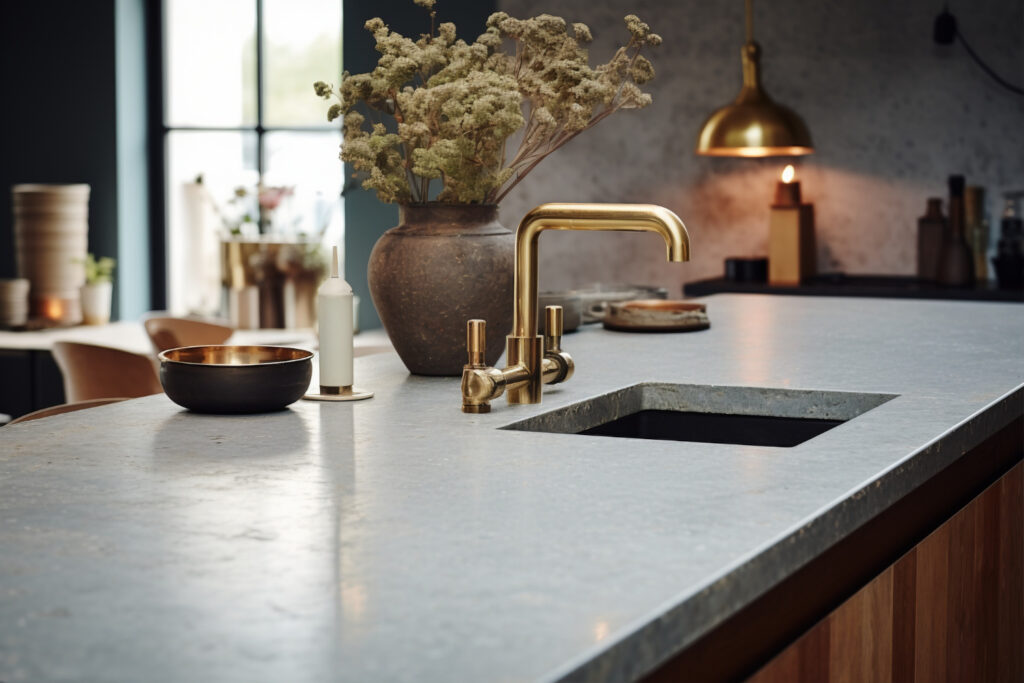
White Granite Countertops and Their Design Advantages
White granite countertops stand out for their ability to balance subtle elegance with visual depth. While often perceived as plain at first glance, closer inspection reveals complex patterns that add texture without overwhelming the room.
Designers frequently recommend this surface for smaller kitchens because it enhances brightness and creates the illusion of more space. In larger kitchens, it provides a calm visual anchor that allows statement backsplashes or fixtures to shine. Whether polished for a glossy finish or honed for a softer look, this stone adapts beautifully to different design goals.
Durability That Supports Everyday Living
One of the strongest reasons homeowners invest in granite is durability. This stone resists scratches, chips, and cracks better than many alternatives when properly installed. It also handles heat well, making it suitable for busy kitchens where hot cookware is common.
Daily wear from food preparation rarely leaves marks, and spills are less of a concern when the surface is sealed correctly. This toughness makes granite a reliable choice for families, frequent entertainers, and anyone seeking a long-term solution rather than a short-lived trend
Maintenance Requirements: Simple but Essential
Despite its strength, granite does require basic care to maintain its appearance. Routine cleaning with mild soap and water is usually sufficient. Avoid harsh chemicals, as they can degrade the protective seal over time.
Sealing is an important part of ownership. Most surfaces need resealing once every one to two years, depending on usage. This process helps prevent stains and keeps the stone looking fresh. With consistent care, white granite countertops can retain their original beauty for decades.
Cost Considerations and Long-Term Value
Pricing varies depending on stone rarity, slab thickness, edge detailing, and installation complexity. While granite is often more expensive upfront than laminate or tile, it delivers strong long-term value.
Homebuyers frequently view granite as a premium feature, which can positively influence resale potential. Its durability reduces the likelihood of replacement, and its timeless look minimizes the risk of appearing outdated. When evaluated over its lifespan, this surface often proves cost-effective compared to trend-driven materials.
How This Stone Compares to Other Countertop Options
When choosing a countertop, homeowners often compare granite with quartz, marble, and solid surfaces. Granite offers a unique middle ground—more natural variation than quartz, greater durability than marble, and higher heat resistance than most engineered materials.
Unlike marble, which can etch easily, granite is more forgiving in everyday kitchens. Compared to quartz, it tolerates higher temperatures and provides a truly natural appearance. These balanced characteristics make white granite countertops a practical yet luxurious choice.
Choosing the Right Slab for Your Kitchen
Selecting the right slab is a crucial step. Lighting conditions, cabinetry color, and backsplash materials all influence how the stone appears once installed. Viewing full slabs rather than small samples helps avoid surprises.
Pay attention to undertones, which can range from warm creams to cool grays. Consistency matters if you prefer a uniform look, while bold veining works well for statement kitchens. Working with an experienced fabricator ensures proper cutting, finishing, and seam placement for the best visual outcome.
Installation Quality Matters More Than You Think
Even the highest-quality stone can underperform if installed incorrectly. Professional installation ensures proper support, precise leveling, and secure sealing. Poor workmanship may lead to uneven surfaces or long-term stress fractures.
Experienced installers also help you plan cutouts for sinks and appliances, reducing waste and preserving slab integrity. Investing in skilled labor protects your material investment and ensures your countertop performs as expected for years.

Environmental and Health Considerations
Granite is a natural material, and when sourced responsibly, it can be an environmentally sound option. Many suppliers now follow ethical quarrying practices and offer transparency about sourcing.
From a health perspective, sealed granite is non-porous enough to resist bacteria buildup, making it safe for food preparation. Proper sealing and regular cleaning maintain hygiene standards without the need for aggressive chemicals.
Styling Tips for a Cohesive Look
To maximize visual impact, coordinate your countertop with complementary elements. Neutral cabinetry enhances the stone’s brightness, while darker finishes create contrast and drama. Simple backsplashes often work best, allowing the granite’s natural pattern to remain the focal point.
Lighting also plays a role. Under-cabinet lighting highlights subtle veining and enhances depth. Thoughtful styling choices ensure your kitchen feels cohesive rather than cluttered.
Final Thoughts: A Smart and Timeless Investment
White granite countertops continue to earn their reputation as a reliable and positive kitchen upgrade. They combine natural beauty, structural strength, and lasting value in a way few materials can match. With proper selection, professional installation, and routine care, this surface can serve as a functional centerpiece that elevates your home for decades.
For homeowners seeking a balance between elegance and performance, white granite countertops remain a confident, future-proof choice that aligns with both design trends and everyday practicality.
Also Read: Metal Roof Installation: A Smart, Reliable Upgrade for Long-Lasting Protection

One thought on “White Granite Countertops: A Powerful and Timeless Choice for Beautiful Kitchens”
Comments are closed.