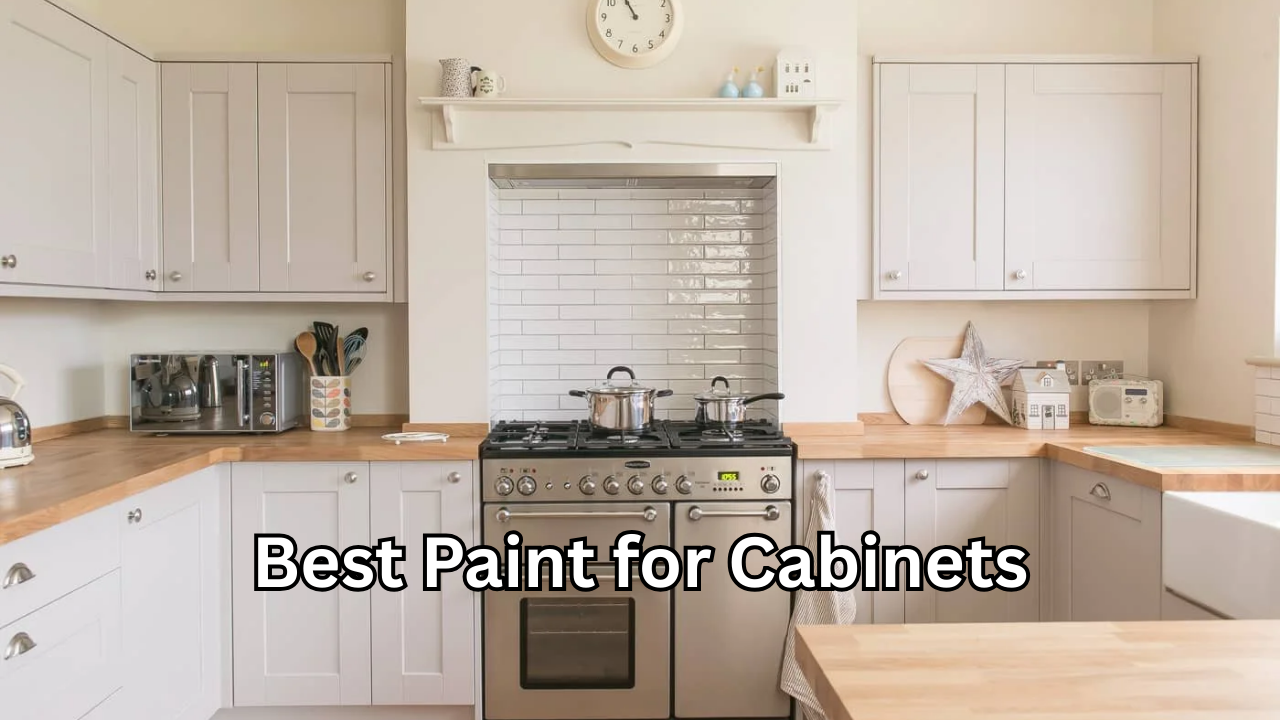
Choosing the best paint for cabinets can completely transform your kitchen, bathroom, or laundry room without the expense of a full renovation. Cabinets take daily wear and tear—from greasy hands and food splashes to moisture and constant opening and closing. That’s why selecting the right paint is critical if you want a durable, smooth, and professional-looking finish.
In this comprehensive guide, you’ll learn exactly what makes a cabinet paint “the best,” the different types available, the ideal finishes, expert tips for application, and how to achieve a factory-like result that lasts for years.
Why Choosing the Best Paint for Cabinets Matters
Cabinets are not like walls. While wall paint is designed for large, flat surfaces with minimal contact, cabinets demand something tougher. They experience:
- Frequent touching and handling
- Exposure to grease and food splatters
- High humidity levels
- Cleaning with chemicals and scrubbing
Using the wrong paint can lead to peeling, chipping, staining, and a sticky surface that never fully cures. The best paint for cabinets must offer excellent adhesion, hardness, smooth leveling, and resistance to moisture and stains.
Investing in high-quality cabinet paint saves time, money, and frustration in the long run.
Types of Paint for Cabinets
Understanding paint types helps you choose the right product for your specific project.
Oil-Based Paint
Oil-based paints were once considered the gold standard for cabinets because they cure to a hard, durable finish. They level beautifully, leaving fewer brush marks.
Pros:
- Extremely durable
- Smooth, professional finish
- Excellent adhesion
Cons:
- Strong odor
- Long drying time
- Requires mineral spirits for cleanup
- Yellows over time
While still effective, many homeowners now prefer modern alternatives that offer similar durability with easier cleanup.
Water-Based Latex Paint
Standard latex paint is easy to work with and dries quickly. However, not all latex paints are suitable for cabinets.
Pros:
- Low odor
- Easy cleanup
- Faster drying time
Cons:
- May not be as hard or durable as specialized cabinet paint
- Can show brush strokes if low quality
If you choose latex, make sure it’s specifically labeled for cabinets, trim, or doors.
Acrylic Alkyd Hybrid Paint
Acrylic alkyd paint combines the durability of oil-based paint with the easy cleanup of water-based formulas. This type is often considered the best paint for cabinets by professionals.
Pros:
- Hard, durable finish
- Smooth leveling
- Water cleanup
- Low odor compared to oil
Cons:
- Slightly higher cost
For most homeowners and DIYers, acrylic alkyd paint offers the best balance of performance and convenience.

The Best Finish for Cabinets
Choosing the right sheen is just as important as selecting the paint type.
Satin Finish
Satin provides a subtle sheen that’s easy to clean and hides minor imperfections. It’s a popular choice for cabinets in both modern and traditional homes.
Semi-Gloss Finish
Semi-gloss is one of the most common finishes for cabinets. It offers excellent durability and is easy to wipe clean. The reflective surface brightens the room and gives cabinets a crisp look.
High-Gloss Finish
High-gloss creates a sleek, contemporary appearance. It’s highly durable and easy to clean but will highlight surface imperfections.
For most kitchens and bathrooms, semi-gloss or satin are ideal options.
Best Paint for Kitchen Cabinets vs. Bathroom Cabinets
Kitchen cabinets need maximum durability due to grease, heat, and heavy usage. Look for paint labeled specifically for kitchen cabinetry with strong stain resistance.
Bathroom cabinets must resist moisture and humidity. Choose paint with mildew resistance and strong moisture protection.
In both cases, acrylic alkyd or high-quality cabinet enamel is the top choice.
Key Features to Look for in the Best Paint for Cabinets
When shopping for cabinet paint, prioritize these qualities:
Strong Adhesion
The paint should bond securely to wood, MDF, laminate, or previously painted surfaces.
Hard, Durable Finish
Cabinets require a finish that resists scratches, chips, and dents.
Smooth Leveling
High-quality cabinet paint levels out brush strokes and roller marks, giving a factory-like finish.
Quick Drying Time
Faster drying reduces dust contamination and speeds up your project timeline.
Low VOC
Low-VOC paints are safer for indoor air quality and easier to work with in enclosed spaces.
Do You Need a Primer?
In most cases, yes.
Primer improves adhesion, blocks stains, and ensures even color coverage. If your cabinets are:
- Dark wood and you’re painting light
- Stained or varnished
- Laminate
- Previously painted with oil-based paint
Using a bonding primer is essential.
Skipping primer can result in peeling or uneven coverage.
How to Get a Professional Finish on Cabinets
Even the best paint for cabinets won’t deliver great results without proper preparation and application.
Step 1: Remove Doors and Hardware
Take off cabinet doors, drawers, handles, and hinges. Label everything to make reassembly easier.
Step 2: Clean Thoroughly
Use a degreaser to remove built-up grime and cooking residue. Paint won’t adhere properly to greasy surfaces.
Step 3: Sand the Surface
Light sanding creates texture for better paint adhesion. You don’t need to strip to bare wood, just scuff the surface.
Step 4: Apply Primer
Use a high-quality bonding primer. Allow it to dry completely and sand lightly for a smooth base.
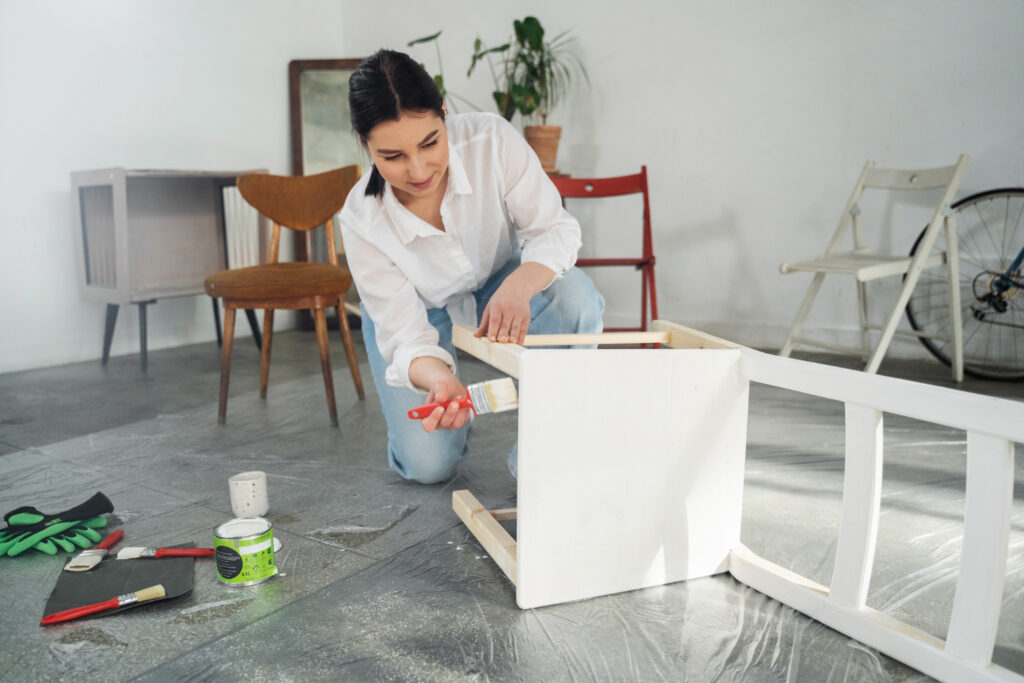
Step 5: Apply Thin, Even Coats
Use a high-density foam roller or quality brush designed for cabinets and trim. Apply thin coats to avoid drips.
Two to three coats typically provide the best results.
Step 6: Allow Proper Curing Time
Paint may feel dry within hours, but full curing can take several days. Avoid heavy use until the paint has hardened completely.
Spray vs. Brush: Which Is Better?
Spraying
Spraying provides the smoothest, factory-like finish. It’s ideal for those with access to proper equipment and workspace.
Pros:
- Ultra-smooth finish
- No brush marks
Cons:
- Requires equipment
- More setup and cleanup
Brushing and Rolling
Using a high-quality brush and foam roller can still produce excellent results.
Pros:
- Accessible for DIYers
- Less equipment needed
Cons:
- Slight risk of brush marks
For most homeowners, careful brushing and rolling work perfectly well.
Popular Cabinet Paint Colors
While color choice depends on personal style, some trends consistently remain popular:
- Classic white for a bright, timeless kitchen
- Warm greige for a modern neutral look
- Navy blue for bold elegance
- Charcoal gray for contemporary appeal
- Soft sage green for a natural feel
The best paint for cabinets enhances both color richness and long-term durability.
Common Mistakes to Avoid
Avoid these errors to ensure a long-lasting result:
- Skipping primer
- Using cheap paint
- Applying thick coats
- Not allowing enough drying time
- Painting over greasy surfaces
- Reinstalling hardware too soon
Patience and preparation are just as important as the paint itself.
How Long Does Cabinet Paint Last?
When properly applied, high-quality cabinet paint can last 8 to 15 years or more. Longevity depends on:
- Paint quality
- Preparation
- Environmental conditions
- Daily wear and tear
Using the best paint for cabinets significantly extends the life of your project.
Is It Better to Paint or Replace Cabinets?
Painting cabinets costs a fraction of replacement and can completely update the look of your space. If the cabinet structure is solid, painting is often the smartest investment.
However, if cabinets are warped, water-damaged, or structurally unsound, replacement may be necessary.
Final Thoughts: Choosing the Best Paint for Cabinets
Selecting the best paint for cabinets is the foundation of a successful renovation. Look for a high-quality acrylic alkyd or cabinet-specific enamel that offers strong adhesion, a durable finish, and smooth leveling.
Pair the right paint with proper preparation, priming, and application techniques, and you can achieve a professional finish that transforms your space without the cost of new cabinetry.
Whether you’re refreshing a kitchen, upgrading a bathroom, or modernizing a laundry room, the right cabinet paint will provide beauty, durability, and long-term value.
If you invest in quality materials and follow best practices, your cabinets will look stunning and stand up to daily life for years to come.
Also Read: How Do Water Softeners Work? A Complete Guide to Understanding and Choosing the Right System