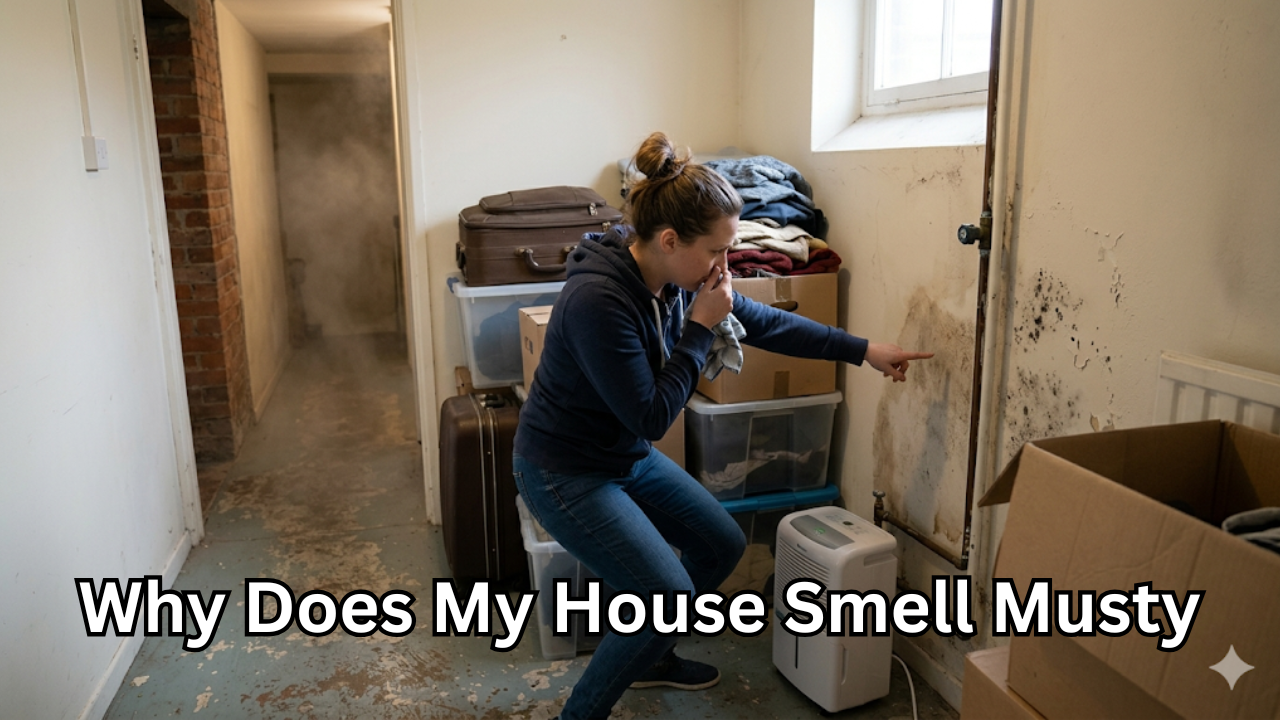
Why Does My House Smell Musty – A musty smell in your home is more than just unpleasant — it’s often a warning sign that something isn’t quite right. Whether the odor is coming from your basement, bathroom, closet, or entire house, a musty smell typically indicates excess moisture, mold growth, or poor ventilation. Many homeowners ignore the issue at first, but doing so can lead to structural damage and even health concerns over time.
If you’ve been asking yourself, “Why does my house smell musty?” you’re not alone. This common problem affects homes in both humid and dry climates, old houses and new builds alike. The good news is that once you understand the causes, you can fix the issue and prevent it from coming back.
This comprehensive guide will walk you through the most common reasons your house smells musty, how to identify the source, and the best solutions to eliminate the odor for good.
What Causes a Musty Smell in a House?
A musty smell usually develops when moisture accumulates in an area that lacks proper airflow. This environment becomes ideal for mold and mildew to grow, which produces the distinctive earthy odor many people describe as musty.
Common causes include:
- High indoor humidity
- Hidden water leaks
- Poor ventilation
- Mold and mildew growth
- Damp basements or crawl spaces
- Wet carpets or furniture
- HVAC system issues
The odor often gets stronger in enclosed spaces like closets, basements, or rooms that aren’t used frequently.
Mold and Mildew Growth
One of the most common answers to the question “Why does my house smell musty?” is mold or mildew. These fungi thrive in damp, dark environments and release spores into the air that create that recognizable smell.
Mold can grow in many hidden areas such as:
- Behind drywall
- Under carpets
- Inside cabinets
- Around windows
- In bathrooms
- In basements
- Around leaking pipes
Even small patches of mold can create a noticeable odor. If left untreated, mold growth can spread quickly and worsen the smell.
To fix this issue, you need to locate the source of moisture first. Clean visible mold using appropriate cleaning solutions and ensure the area stays dry afterward.
High Humidity Levels
Excess humidity inside your home can lead to a musty smell even without visible mold. When humidity levels rise above 60%, moisture accumulates on surfaces, creating the perfect conditions for mildew.
Signs of high humidity include:
- Condensation on windows
- Damp-feeling air
- Warped wood furniture
- Peeling paint
- Persistent odors
Bathrooms, kitchens, and laundry rooms are especially prone to humidity buildup. Using exhaust fans and keeping air circulating can significantly reduce moisture levels.
A dehumidifier is one of the most effective tools for controlling indoor humidity and eliminating musty smells.
Poor Ventilation
Lack of airflow traps moisture and stale air inside your home. Rooms that stay closed for long periods often develop a musty smell simply because fresh air isn’t circulating.
Poor ventilation commonly affects:
- Closets
- Basements
- Attics
- Guest rooms
- Storage areas
Opening windows regularly, using ceiling fans, and keeping interior doors slightly open can help improve airflow. Proper ventilation removes moisture and prevents odor buildup.
Damp Basement or Crawl Space
Basements and crawl spaces are notorious for musty odors. These areas are often cooler and more humid than the rest of the house, making them ideal environments for mildew growth.
Common basement moisture sources include:
- Groundwater seepage
- Foundation cracks
- Poor drainage outside
- Condensation on pipes
- Lack of insulation
Waterproofing your basement, sealing cracks, and using a dehumidifier can dramatically reduce musty smells. Keeping the space dry is essential for long-term odor control.

Water Leaks and Plumbing Issues
Hidden leaks are another major cause of musty odors. Even a slow drip behind a wall can create enough moisture for mold to grow unnoticed.
Check for leaks in:
- Under sinks
- Behind toilets
- Around water heaters
- Under appliances
- In ceilings
- Around windows
Fixing leaks promptly prevents moisture buildup and eliminates the smell before it worsens.
Dirty HVAC System
Your heating and cooling system can also contribute to musty odors. Mold and dust can accumulate inside ducts, air handlers, and drip pans.
If the smell gets stronger when your air conditioner or heater runs, your HVAC system may be the culprit.
Solutions include:
- Replacing air filters regularly
- Cleaning air ducts
- Checking drip pans for standing water
- Scheduling HVAC maintenance
Keeping your HVAC system clean improves air quality and removes unpleasant odors.
Wet Carpets and Upholstery
Carpets, rugs, and upholstered furniture absorb moisture easily. Spills, pet accidents, or high humidity can lead to trapped moisture and musty smells.
If carpets remain damp for more than 24–48 hours, mold may begin to grow underneath.
To prevent this:
- Dry spills immediately
- Use fans to speed up drying
- Clean carpets regularly
- Avoid excessive steam cleaning
Replacing heavily damaged carpets may be necessary if the smell persists.
Musty Smell in Closets
Closets often smell musty because they are enclosed and rarely ventilated. Clothes stored while slightly damp can also cause odor buildup.
Ways to eliminate closet odors include:
- Leaving doors open occasionally
- Using moisture absorbers
- Installing small vents
- Avoiding overcrowding
- Storing only fully dry clothing
Proper airflow keeps closets fresh and odor-free.
How to Get Rid of Musty Smell in Your House
Once you identify the source, you can take steps to eliminate the smell completely.
Start by removing moisture. Dry out affected areas using fans, dehumidifiers, or natural ventilation. Clean any mold or mildew you find and discard items that are heavily contaminated.
Deep cleaning also helps. Wash fabrics, clean carpets, wipe down walls, and vacuum thoroughly. Odor-causing particles often settle in soft materials.
Air purification can also improve indoor freshness. Using air purifiers helps remove spores and airborne contaminants.
Natural odor absorbers like baking soda and activated charcoal can help neutralize lingering smells.

Preventing Musty Smells in the Future
Prevention is the best long-term solution. Keeping your home dry and well-ventilated will stop musty odors from returning.
Key prevention tips include:
- Keep humidity below 50%
- Fix leaks immediately
- Use exhaust fans in bathrooms and kitchens
- Clean gutters and ensure proper drainage
- Open windows regularly
- Use dehumidifiers in damp areas
- Inspect basements and crawl spaces
Regular maintenance helps you catch issues before they become serious.
When to Call a Professional
Sometimes a musty smell indicates a larger problem, such as hidden mold inside walls or structural moisture damage. If the odor persists despite cleaning and drying, it may be time to call a professional.
Consider professional help if:
- You see large mold patches
- The smell is very strong
- You suspect hidden water damage
- Family members experience allergy symptoms
- The odor returns quickly
Professionals can locate hidden moisture and safely remove mold.
Final Thoughts
If you’ve been wondering, “Why does my house smell musty?” the answer usually comes down to moisture, mold, or poor ventilation. Identifying the root cause is the first step toward solving the problem. Once you eliminate excess moisture and improve airflow, the musty smell should disappear.
Keeping your home dry, clean, and well-ventilated will not only remove unpleasant odors but also protect your property and improve indoor air quality. With consistent maintenance and quick action when issues arise, you can ensure your house always smells fresh and inviting.
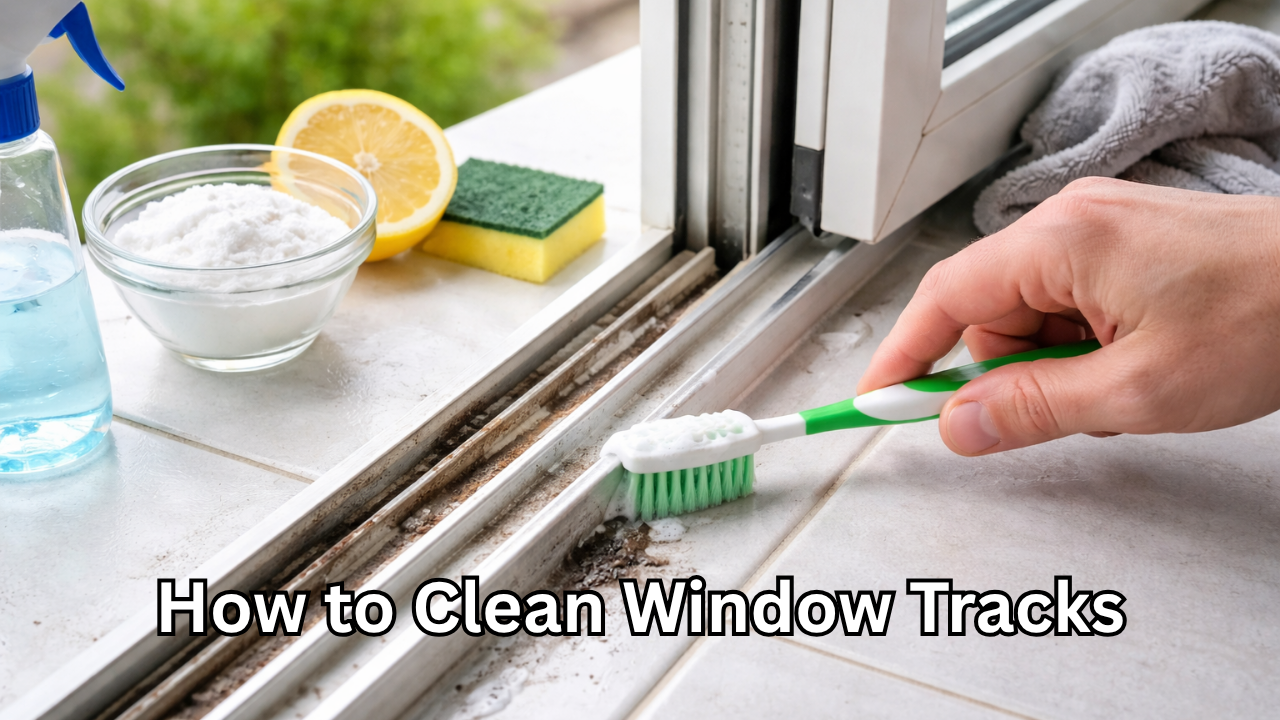
Also Read: How to Clean Window Tracks: The Ultimate Step-by-Step Guide for Sparkling Results


One thought on “Why Does My House Smell Musty? Causes, Fixes, and Prevention Guide”
Comments are closed.