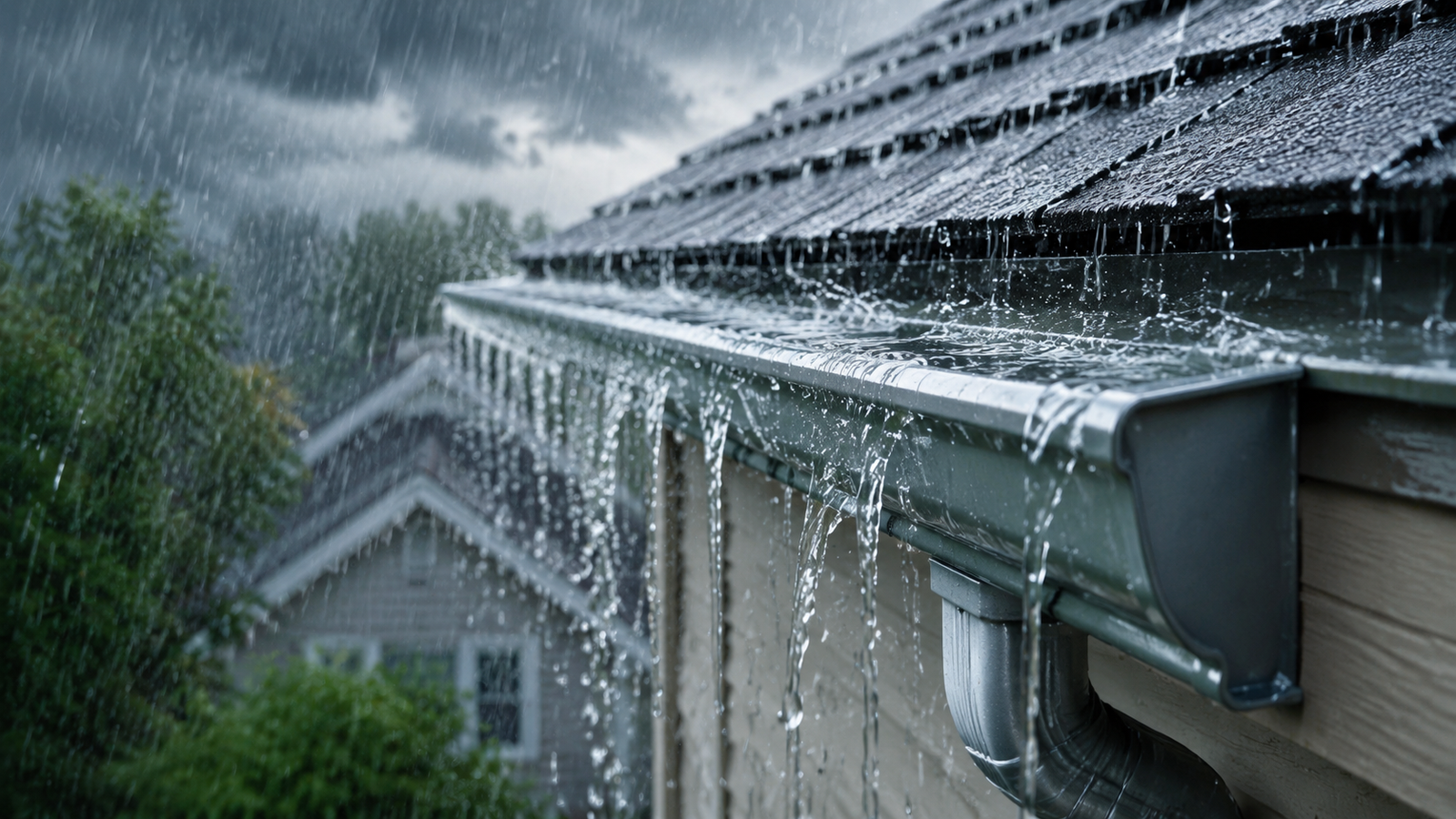
When living in an area prone to heavy rainfall, ensuring your home is equipped with the proper gutter system is crucial for protecting your property from water damage. Gutters play a vital role in channeling rainwater away from your roof and foundation, preventing issues such as basement flooding, soil erosion, and structural deterioration. Selecting the right gutter size is not just about aesthetics; it directly impacts how efficiently water is managed during intense storms. Understanding the factors that influence gutter sizing can help homeowners make informed decisions that safeguard their investment and maintain the integrity of their homes.
What to Expect When Choosing Gutter Sizes
Understanding Gutter Sizing and Its Importance
Gutter sizing is a fundamental aspect of any rainwater management system, especially in regions that experience frequent or intense downpours. The size of your gutters determines how much water they can handle at any given time, which is particularly important during heavy rainfall events. If gutters are too small, they can quickly become overwhelmed, leading to overflow that may damage your siding, landscaping, and even the foundation of your home. On the other hand, oversized gutters may not be necessary for every property and could result in unnecessary expenses. The key is to find a balance that matches your local climate, roof size, and pitch. Properly sized gutters ensure that water is efficiently directed away from your home, reducing the risk of costly repairs and maintaining the overall health of your property.
Factors That Influence Gutter Size Selection
Several factors must be considered when determining the appropriate gutter size for your home. The most significant of these is the average rainfall intensity in your area, as this dictates the volume of water your gutters will need to handle. Roof size and pitch also play a critical role, as steeper or larger roofs collect and channel more water into the gutter system. Additionally, the type of roofing material can affect how quickly water flows off the roof and into the gutters. For homeowners seeking a reliable solution for heavy rainfall, working with a professional who understands the unique challenges of gutter install in wichita can make a significant difference in the long-term performance of your system. By taking these factors into account, you can ensure your gutters are equipped to handle even the most severe weather conditions.
Common Gutter Sizes for Heavy Rainfall
When it comes to heavy rainfall, standard residential gutters typically come in sizes ranging from 5 to 6 inches in width. While 5-inch gutters are common for many homes, 6-inch gutters are often recommended for areas with frequent or intense storms. The larger size allows for a greater volume of water to be carried away from the roof, reducing the risk of overflow and water damage. In some cases, commercial properties or homes with particularly large or steep roofs may require even larger gutters to accommodate the increased water flow. The choice between K-style and half-round gutters can also impact capacity, with K-style gutters generally holding more water due to their shape. Ultimately, selecting the right size involves evaluating your specific needs and local weather patterns to ensure your gutter system can effectively manage heavy rainfall.
Downspouts and Their Role in Gutter Performance
Downspouts are an essential component of any gutter system, as they are responsible for directing water from the gutters down to the ground and away from your home’s foundation. The size and number of downspouts should be carefully matched to the capacity of your gutters to prevent bottlenecks and ensure efficient water flow. In areas with heavy rainfall, it may be necessary to install additional downspouts or opt for larger diameters to handle the increased volume of water. Proper placement is also important, as downspouts should be positioned to direct water away from vulnerable areas such as walkways, driveways, and landscaping. Regular maintenance, including clearing debris and checking for clogs, is crucial for keeping downspouts functioning effectively and preventing water from backing up into the gutters.
Maintenance Tips for Optimal Gutter Performance
Maintaining your gutters is essential for ensuring they continue to function properly, especially during periods of heavy rainfall. Regular cleaning is necessary to remove leaves, twigs, and other debris that can accumulate and cause blockages. Inspecting your gutters for signs of damage, such as cracks, rust, or sagging, can help you address issues before they become major problems. It’s also important to check that gutters are securely attached to your home and that all joints and seams are properly sealed to prevent leaks. Installing gutter guards can be a helpful way to reduce the amount of debris that enters your gutters, minimizing the need for frequent cleaning. By staying proactive with maintenance, you can extend the lifespan of your gutter system and protect your home from water-related damage.
The Impact of Local Climate on Gutter Choices
Local climate plays a significant role in determining the most suitable gutter size for your home. In regions where heavy rainfall is common, such as Wichita, homeowners must prioritize systems that can handle large volumes of water quickly and efficiently. The frequency and intensity of storms, as well as seasonal variations in precipitation, should all be considered when selecting gutter sizes and materials. Homes in areas with occasional but intense downpours may require different solutions than those in regions with steady, moderate rainfall. Consulting local weather data and considering historical rainfall patterns can provide valuable insights into the demands your gutter system will face. By tailoring your gutter choices to your specific climate, you can ensure reliable performance and long-term protection for your property.
Gutter Materials and Their Suitability for Heavy Rain
Choosing the right material for your gutters is just as important as selecting the correct size. Aluminum is a popular choice due to its durability, resistance to rust, and relatively low cost. Steel gutters offer added strength and are well-suited for handling the weight of heavy water flow, but they may be more prone to corrosion over time. Copper gutters provide a distinctive appearance and excellent longevity, though they come at a higher price point. Vinyl gutters are lightweight and easy to install, but they may not be as durable in extreme weather conditions. Each material has its own advantages and limitations, so it’s important to consider factors such as maintenance requirements, lifespan, and compatibility with your home’s architecture when making your decision.
Quick Guide to Gutter Sizing Calculations
Calculating the appropriate gutter size involves assessing your roof’s surface area and the maximum expected rainfall intensity. By multiplying the square footage of your roof by the rainfall rate, you can estimate the volume of water your gutters will need to handle during a storm. This calculation helps determine whether standard 5-inch gutters are sufficient or if larger 6-inch gutters are necessary. Consulting with a professional can provide additional guidance and ensure your calculations are accurate, helping you avoid potential issues with overflow or inadequate drainage.
Conclusion
Selecting the right gutter size for heavy rainfall is a critical step in protecting your home from water damage and maintaining its structural integrity. By considering factors such as local climate, roof size and pitch, gutter material, and the capacity of downspouts, homeowners can make informed decisions that ensure their gutter systems perform effectively during even the most intense storms. Regular maintenance and timely repairs further enhance the longevity and reliability of your gutters, providing peace of mind and safeguarding your investment. Taking the time to evaluate your specific needs and working with knowledgeable professionals can help you achieve a gutter system that stands up to the challenges of heavy rainfall and keeps your home safe for years to come.