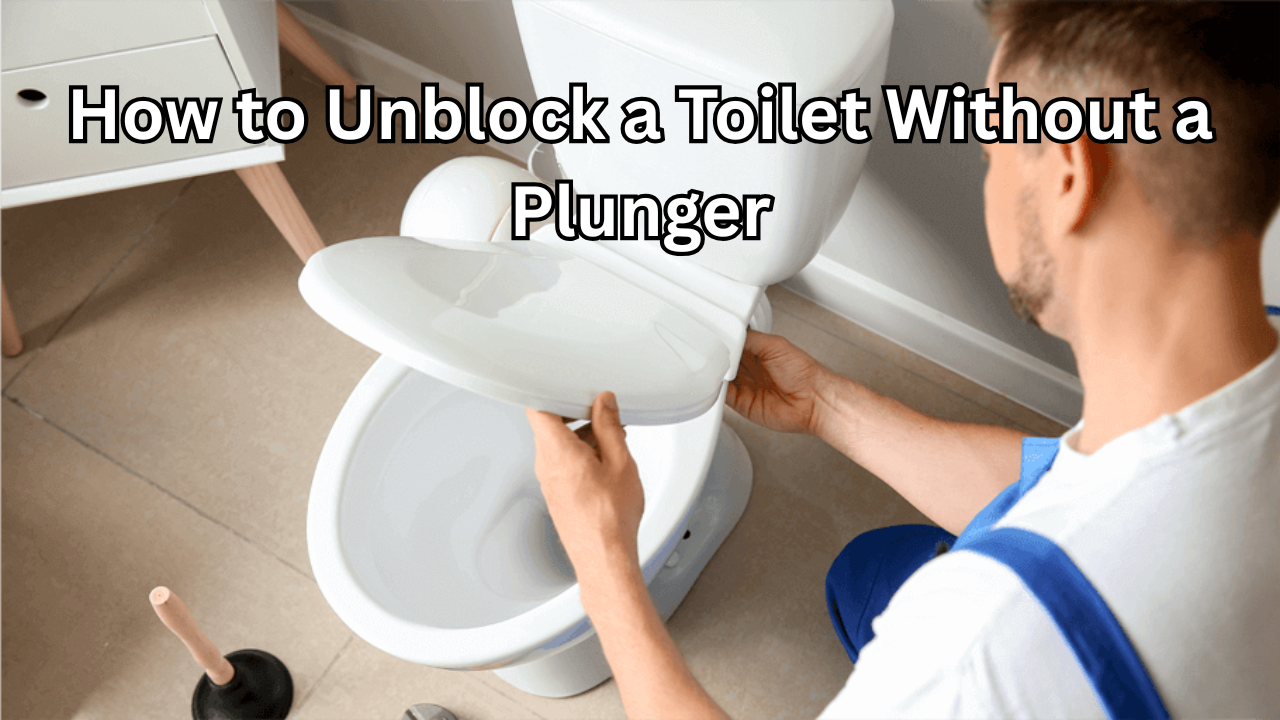
How to Unblock a Toilet Without a Plunger – A clogged toilet is one of the most frustrating household problems, especially when you don’t have a plunger nearby. Whether you’re dealing with an unexpected blockage or simply don’t own the tool, knowing how to unblock a toilet without a plunger can save you time, stress, and even money. The good news is that there are several effective DIY methods using common household items that can quickly solve the issue.
This comprehensive guide will walk you through proven techniques, explain why they work, and provide preventive tips so you can avoid future clogs. These solutions are safe, simple, and perfect for homeowners, renters, and anyone who wants a quick fix without calling a plumber.
Why Toilets Get Blocked in the First Place
Before learning how to fix the problem, it’s helpful to understand why toilets clog. Most blockages occur when too much toilet paper is flushed at once. Other common causes include flushing non-flushable items like wipes, paper towels, hygiene products, cotton balls, or excessive waste. Hard water buildup and old plumbing systems can also contribute to slow drainage and frequent clogs.
Knowing the cause helps you choose the right solution. For example, soft clogs made of toilet paper can often be dissolved using hot water and soap, while solid blockages may require more pressure or mechanical action.
Method One: Hot Water and Dish Soap
This is one of the easiest and most effective ways to unblock a toilet without a plunger. Dish soap works as a lubricant, helping the blockage slide through the pipes, while hot water softens the clog.
Start by pouring about half a cup of liquid dish soap into the toilet bowl. Allow it to sit for five to ten minutes so it can coat the blockage. Then carefully pour a bucket of hot water from waist height into the bowl. Make sure the water is hot but not boiling, as boiling water can crack porcelain.
The force of the water combined with the lubrication from the soap often breaks up the clog and pushes it through. Wait a few minutes and flush to test. If necessary, repeat the process once more.
Method Two: Baking Soda and Vinegar
This natural method is ideal for breaking down organic material and clearing minor blockages. It creates a fizzy chemical reaction that helps loosen debris inside the pipes.
Pour one cup of baking soda into the toilet bowl. Follow it with two cups of vinegar. The mixture will begin to fizz immediately. Let it sit for about twenty to thirty minutes to allow the reaction to work. Afterward, pour in hot water to help flush the loosened material away.
This method is eco-friendly and safe for plumbing systems, making it a great alternative to harsh chemical cleaners.
Method Three: Hot Water Pressure Technique
If you don’t have soap or baking soda, hot water alone can sometimes do the trick. Fill a bucket with hot water and pour it into the toilet bowl from a moderate height. The pressure from the falling water helps dislodge the blockage.
This technique works best for minor clogs caused by toilet paper buildup. You may need to repeat the process two or three times. Always pour slowly enough to avoid overflowing the bowl.

Method Four: Use a Toilet Brush
Although it may sound unusual, a toilet brush can act as a temporary substitute for a plunger. Insert the brush into the toilet drain and gently push down. Move it up and down to create pressure and break apart the clog.
Make sure to wrap the brush head in a plastic bag for extra hygiene and to create better suction. Once the clog loosens, flush to see if the water drains normally.
This method is useful when the blockage is near the surface and can be physically moved.
Method Five: Plastic Bottle Pressure Trick
This clever DIY solution mimics the pressure of a plunger. Take a large plastic bottle and fill it with warm water. Place your thumb over the opening, insert the bottle neck into the toilet drain, and squeeze firmly.
The burst of water pressure helps push the clog down the pipe. This method works surprisingly well for stubborn clogs and requires no special tools.
Be careful to position the bottle securely to avoid splashing. Repeat if necessary.
Method Six: Wire Hanger Technique
If the blockage is solid and close to the drain, a straightened wire hanger can help. Carefully straighten the hanger and wrap one end with cloth or tape to prevent scratching the porcelain.
Insert the wrapped end into the drain and gently push or twist to break up the clog. Once you feel resistance ease, remove the hanger and flush.
This method should be used gently to avoid damaging the toilet.
Method Seven: Shampoo or Liquid Soap
Similar to dish soap, shampoo or hand soap can lubricate the blockage. Pour a generous amount into the toilet bowl and wait ten minutes. Then add hot water to help move the clog.
This solution is helpful when you don’t have dish soap available.
Method Eight: Wet and Wait Approach
Sometimes the simplest solution is patience. If the clog consists mostly of toilet paper, allow it to soak. Add warm water and wait thirty minutes. The paper will soften and break apart naturally.
After waiting, try flushing. This method is safe and requires no effort.
What Not to Do When Unblocking a Toilet
Avoid using chemical drain cleaners. These products contain harsh chemicals that can damage pipes and pose safety risks. They also may not fully remove the blockage.
Do not flush repeatedly. This can cause the bowl to overflow and create a messy situation. Always wait until the water level drops before attempting another flush.
Avoid using sharp objects that can scratch or crack the porcelain. Gentle tools and safe methods are always better.
Signs the Blockage Is Clearing
You will know the clog is loosening when the water level slowly begins to drop. Small bubbles may appear, and the water may swirl slightly. Once the toilet flushes normally without rising water, the blockage is gone.
If the toilet drains slowly even after clearing, repeat a hot water rinse to ensure everything moves through properly.
Preventing Future Toilet Clogs
Prevention is always better than fixing a problem. Only flush toilet paper and waste. Avoid flushing wipes, tissues, paper towels, or hygiene products even if labeled flushable.
Use moderate amounts of toilet paper. Teach children and guests proper flushing habits. Regularly pour hot water into the toilet once a week to help prevent buildup.
Keeping a plunger nearby is still recommended, but now you know it’s not essential.
When to Call a Professional
If none of these methods work, the clog may be deep within the plumbing system. Persistent blockages, multiple clogged fixtures, or unusual noises could indicate a larger issue. In such cases, contacting a professional plumber is the safest option.
Ignoring severe clogs can lead to pipe damage or water backup, so don’t wait too long if DIY methods fail.
Final Thoughts
Learning how to unblock a toilet without a plunger is an essential skill for any homeowner. With simple household items like dish soap, baking soda, hot water, or even a plastic bottle, you can handle most clogs quickly and safely. These methods are affordable, effective, and easy to perform.
The next time your toilet becomes blocked and you don’t have a plunger, stay calm and try one of these proven solutions. In most cases, you’ll restore normal flow within minutes. By following preventive tips, you can also reduce the chances of future clogs and keep your bathroom running smoothly.
Also Read: Best Way to Clean Baseboards: A Complete Step-by-Step Guide for Spotless Walls